
You're staring at a 150-pound dog with a coat so thick you could lose a brush in it. You know you need to groom your Newfoundland, but every time you start, you end up with a pile of fur, a frustrated dog, and a nagging feeling you're doing it wrong. You're not alone.
This breed has one of the most demanding maintenance routines in the dog world, and getting it wrong has real consequences for your dog's health and comfort.
Here's the hard truth: a Newfoundland's double coat is an engineered system. The outer guard hairs repel water and dirt, while the dense undercoat traps air for insulation against both cold and heat. As of 2026, veterinary dermatology research confirms that improper grooming, especially shaving, permanently damages this system.
But with the right tools, a solid technique, and a realistic schedule, you can keep your Newfie comfortable, clean, and healthy. Let's walk through exactly how.
Quick Answer
Groom a Newfoundland with a line brushing technique using an undercoat rake and slicker brush, never a Furminator. Brush thoroughly two to three times weekly. Bathe every six to eight weeks.
Use a high-velocity dryer after every bath. Never shave the coat. Check ears, paws, and nails weekly.
Why Grooming a Newfoundland Is Different (and Why It Matters)
Most dogs are easy. A quick brush, a bath when they smell, and you're done. A Newfoundland is a different animal entirely, literally.
Their coat is double-layered, designed for ice-cold water and freezing temperatures. That amazing system comes with a price: it sheds constantly, mats aggressively, and traps moisture like a sponge.
If you skip regular grooming, things go wrong fast. Mats form close to the skin, pulling and pinching with every step. Trapped moisture leads to hotspots and bacterial infections.
Loose undercoat that isn't removed creates a humid, airless layer against the skin. Before you know it, you're at the vet with a skin infection that could have been prevented with twenty minutes of brushing.
The stakes are genuinely high. The Newfoundland Club of America's breed standard describes the coat as "water-resistant" and "dense," and owners who ignore this quickly learn why. A matted Newfie isn't just ugly, it's uncomfortable.
In severe cases, tight mats restrict movement and hide wounds or parasites. We've seen rescue Newfoundlands arrive with coat so matted it had to be shaved completely, leaving them vulnerable to sunburn and temperature swings for months.
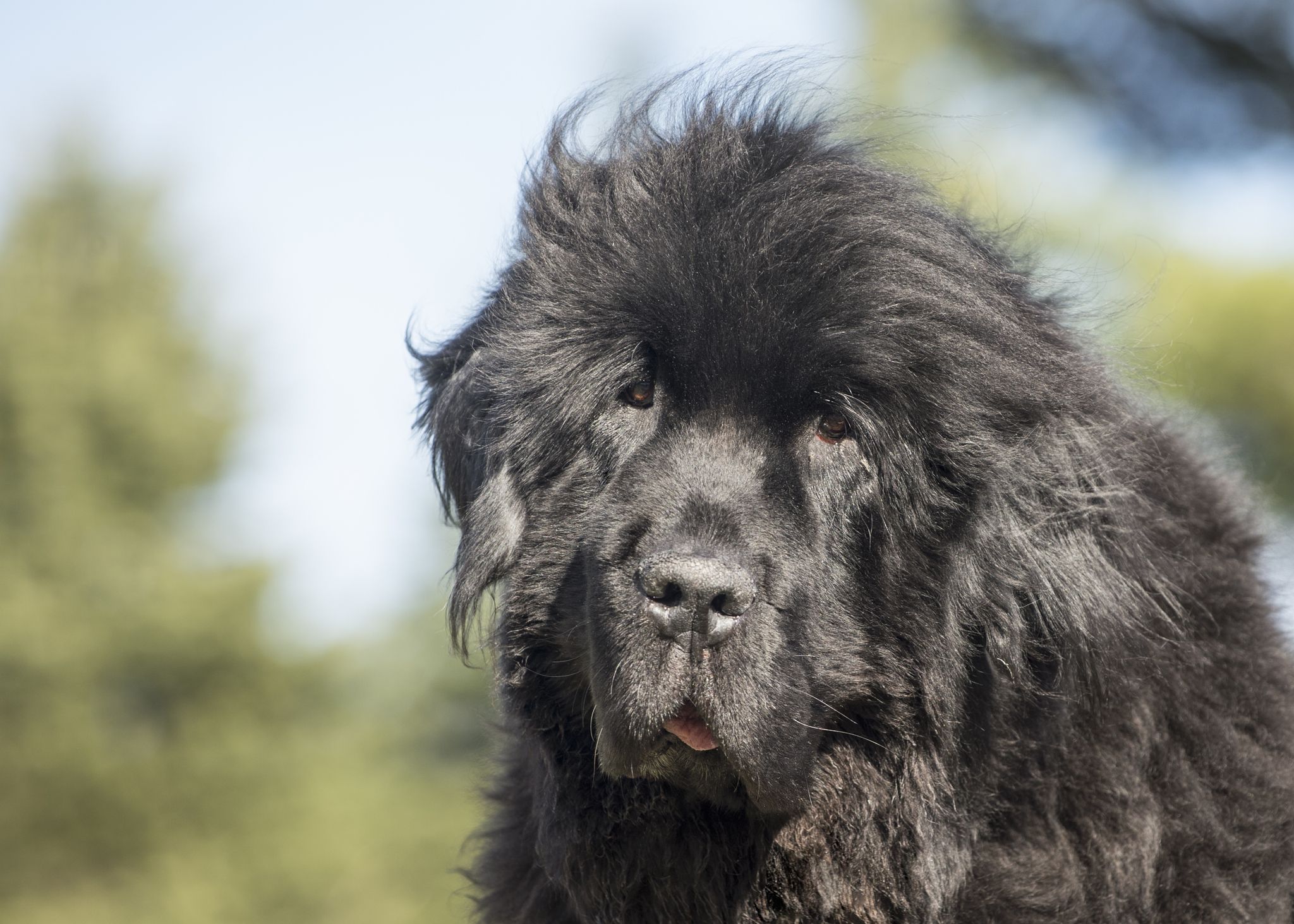
Image source: Bing (Web (fair-use with source credit))
That's why understanding the coat matters before you even pick up a brush. It's not just about looking neat. It's about your dog's physical comfort, skin health, and natural cooling system.
The Tools You Actually Need (and the Ones to Avoid)
Here's the good news: you don't need a closet full of expensive equipment. You need a handful of quality tools, used correctly. The bad news?
Half the "upgrades" you'll see at pet stores can actually damage a Newfoundland's coat.
Let's start with the essentials.
| Tool | Purpose | Frequency of Use |
|---|---|---|
| Undercoat rake | Removes dead undercoat down to the skin | 2–3 times weekly |
| Slicker brush | Finishes the topcoat, removes surface tangles | 2–3 times weekly |
| Wide-toothed metal comb | Checks for mats, works on feathering | Daily if necessary |
| High-velocity dryer | Blows out loose fur, dries coat completely | After every bath or swim |
| Dematting tool | Emergency only, for stubborn mats | As needed |
The undercoat rake is your primary weapon. Look for one with long, rounded pins that reach through the topcoat to the dense underlayer. Avoid cheap versions with sharp pins that scratch the skin.
A good rake makes the job faster and far less painful for your dog.
A slicker brush handles the topcoat. It removes loose guard hairs and smooths the feathering on the legs, chest, and tail. Choose one with fine, bent wire bristles and a cushioned base.
Press too hard, and you risk brush burn, which looks like scraped, red, irritated skin.
The wide-toothed metal comb is your quality control tool. After brushing, run it through the coat. It catches tangles the brush missed.
If it snags, you've found a mat forming. This step is not optional. It's the difference between a healthy coat and one that mats silently close to the skin.
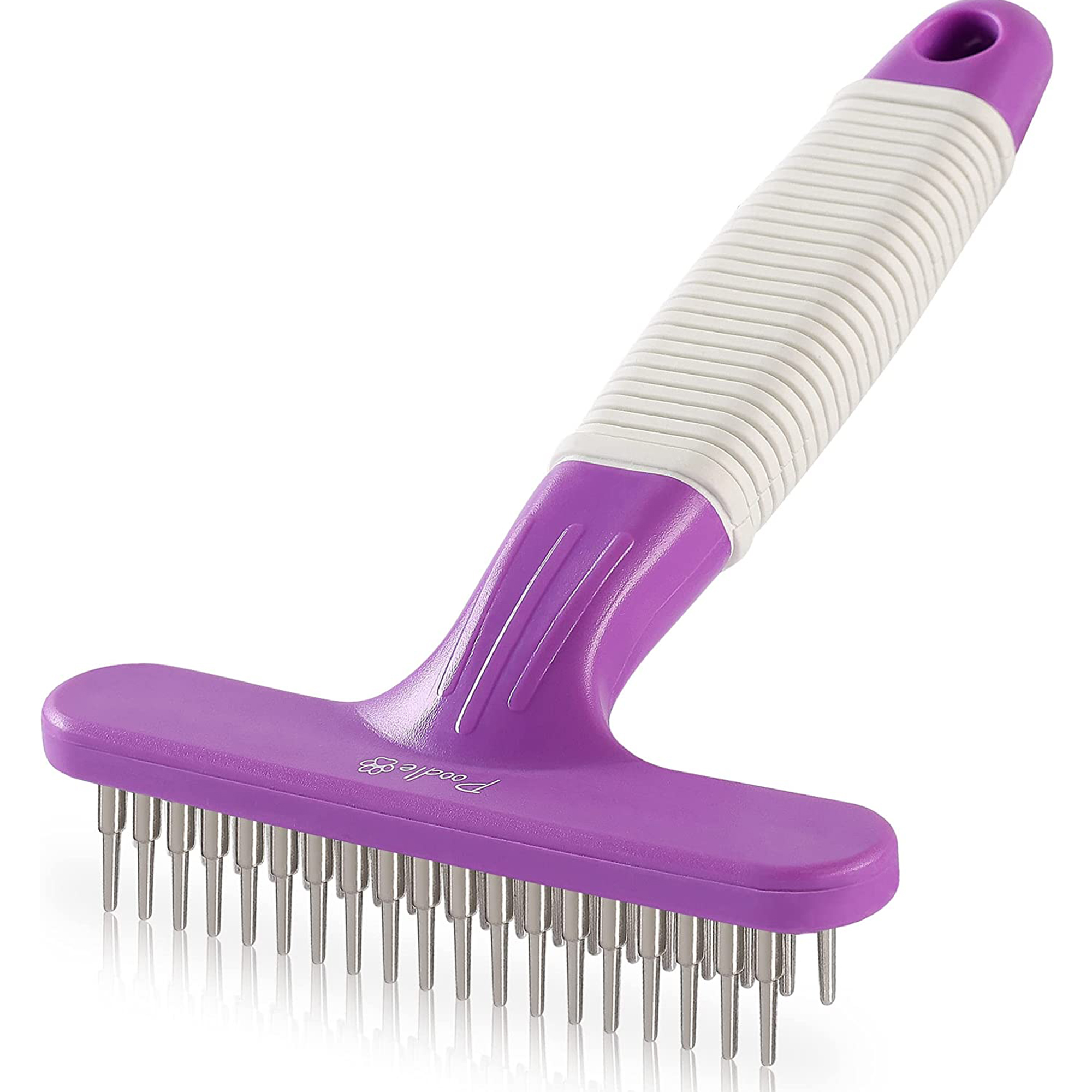
Image source: Bing (Web (fair-use with source credit))
Now, the tools to avoid. This list is short, but the consequences of ignoring it are serious. Never use a Furminator on a double-coated breed.
It works by cutting and thinning the undercoat, which shreds the delicate guard hairs that protect your dog from the elements. Once damaged, those guard hairs take months, sometimes years, to fully regenerate. Aggregated reviews from Newfoundland owners confirmed this over and over.
Similarly, a shedding blade, the kind with a looped metal edge, is too aggressive for body work. It removes too much topcoat and leaves the coat looking ragged. Reserve it for the rear "pants" area where the fur is exceptionally thick, and even then, use it gently and rarely.
For shampoo, select a moisturizing, pH-balanced formula designed for dogs. Avoid anything with harsh sulfates or artificial fragrances. Follow with a high-quality conditioner.
This is not pampering, it protects the coat's natural oil balance. The Newfoundland Club of America recommends washing no more than once a month unless the dog gets visibly dirty, because over-washing strips natural oils.
Your dryer is just as important as your brushes. A human hair dryer is useless here. You need a high-velocity dryer designed for dogs.
These blast air at high pressure, forcing water and loose fur out of the coat. They are not cheap, but they are non-negotiable for this breed. Without one, you risk trapped moisture leading to hotspots and a sour smell that's very hard to eliminate.
Before You Start: The Coat's Anatomy and "Blow Out" Cycle
Understanding what you're brushing is half the battle. A Newfoundland's double coat consists of two distinct layers. The outer layer is made of long, thick guard hairs.
These are coarse, water-resistant, and slightly oily. They lie flat over the body and channel water away from the skin.
The undercoat is a completely different texture. It's soft, dense, and woolly. It traps air close to the body, creating insulation against both cold and heat.
In summer, it acts as a cooling layer. In winter, it holds body heat. This is why shaving a Newfoundland is so destructive.
You're not just cutting hair, you're dismantling the dog's natural temperature regulation system.
The coat doesn't grow uniformly. There are specific zones with different grooming needs. The "pants" or culottes on the rear and upper thighs are densely coated and prone to matting.
The feathering, which is the long hair on the chest, back of the legs, and tail, is softer and tangles easily. The tail flag is thick and bushy, and mats often form at its base where it meets the body.
Here's a crucial fact: a Newfoundland's coat is not static. It goes through a shedding cycle twice a year, commonly called a "blow out." During these periods, usually in spring and fall, your dog loses the entire undercoat over a few weeks. It comes out in clumps, and brushing daily becomes essential.
Expect literal garbage bags full of fur.
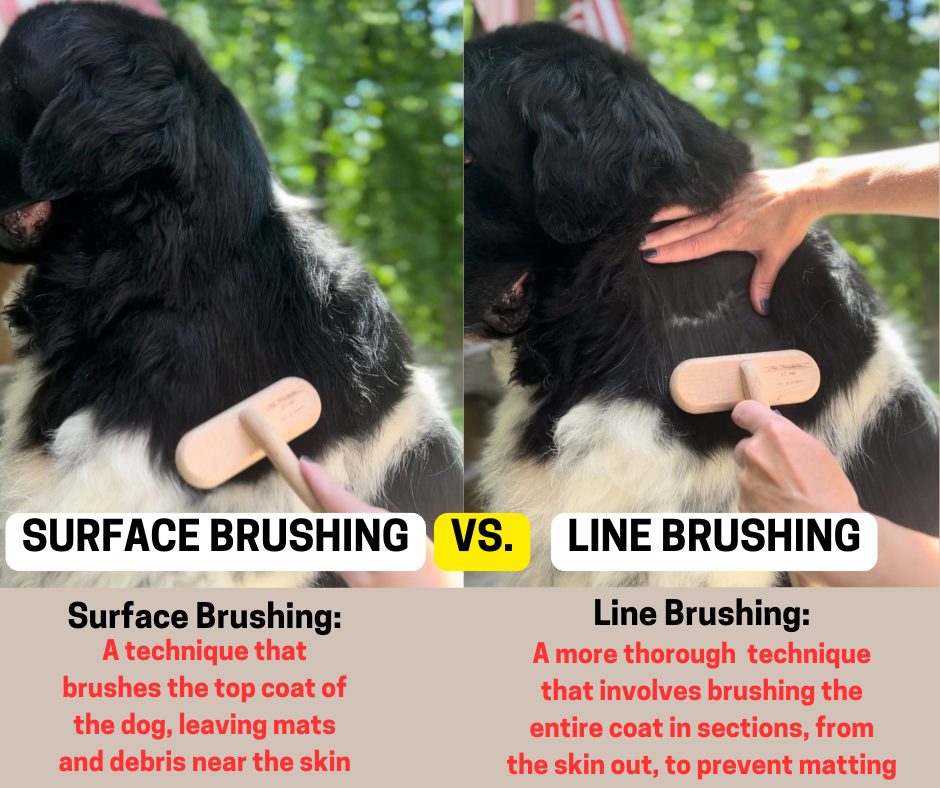
Image source: Bing (Web (fair-use with source credit))
Between blowouts, the coat sheds lightly and gradually. This is where many owners make a mistake. They assume a light shed means they can skip brushing for a week, or two.
By the time they realize the problem, the undercoat has compacted into a felt-like layer close to the skin. This is the beginning of matting, and it often goes unnoticed until it's severe.
There's also a difference between working lines and show lines of Newfoundlands. Working-bred dogs tend to have slightly shorter, denser coats optimized for water rescue. Show lines often carry longer, more abundant feathering.
Neither is easier to maintain, honestly. The working coat sheds more, while the show coat tangles more easily. Every dog is slightly individual, and you'll learn your dog's specific pattern within a few months of consistent care.
Step-by-Step: The Full Grooming Process
Now we're getting to the real work. A full grooming session for a Newfoundland takes between two and three hours, and that's for an owner who knows what they're doing. Break it down into stages, and it becomes manageable.
Skip any stage, and you'll pay for it later.
Stage 1: Pre-brushing and detangling. Start completely dry. Never brush a wet Newfie if you can avoid it. The hair is weaker when wet, and brushing pulls and breaks it.
Use your undercoat rake to work through the coat in sections. Begin at the rear and work forward. This feels more natural for the dog and prevents you from pushing loose fur towards the head, which creates tangles.
Stage 2: Line brushing. This is the technique that separates proper grooming from lazy surface brushing. It's simple, but it's the foundation of everything else. Part the hair with one hand to expose the skin.
Brush that exposed line from root to tip. Then part the next line and repeat. Work your way systematically across the entire body.
This is the only way to reach the undercoat where mats actually form. Surface brushing that just skims the topcoat leaves the underlayer untouched, which is how mats silently develop.
Image source: Bing (Web (fair-use with source credit))
Stage 3: High-velocity dry before the bath. If your dog has loose fur, blast it out now with the dryer set on cool or low heat. This removes dead undercoat before it gets wet and clogs your drains. Do this outside or in a well-ventilated area.
You and your house will thank us later.
Stage 4: Bathing. Use lukewarm water, not hot. Wet the coat thoroughly, right down to the skin. Apply shampoo, work it through, and let it sit for several minutes.
Rinse completely. Then repeat the process with conditioner. Leave the conditioner on for the time specified on the bottle, usually three to five minutes, then rinse thoroughly.
If you hear a squeaky sound when you squeeze the fur, that's a sign it's clean. If it feels slimy, the product wasn't fully rinsed.
Stage 5: Drying. This is the most critical stage, and it's non-negotiable. Towels alone won't do the job. They leave moisture trapped in the undercoat, which leads to hotspots and odors within days.
First, squeeze excess water out of the coat by hand. Use a large, highly absorbent towel to remove more. Then get out that high-velocity dryer.
Blow the coat dry in sections, always working from the skin outward. Keep the nozzle moving so you don't concentrate heat on one spot.
Stage 6: Finishing touches. Once the coat is fully dry, do a final comb-through. Check the feathering on the legs and tail for tangles. Trim around the paw pads with rounded shears.
If your dog has dewclaws, trim those nails too. Use a Dremel or grinder for thick nails rather than clippers, which can splinter. Clean the ears with a vet-approved solution.
If you've done everything right, the coat should feel fluffy, not damp, and comb effortlessly without snagging.
Paw, Ear, and Nail Care: The Forgotten Zones
Most owners focus on the coat and forget the parts that actually cause the most vet visits. Paws, ears, and nails need attention on a schedule, not just when you notice a problem.
Paw pads are a magnet for debris. Long hair grows between the toes and pads, trapping mud, ice balls in winter, and even small stones. If left untrimmed, this hair mats and irritates the skin.
Trim it every couple of weeks with rounded shears. Hold the paw firmly, and trim the hair flush with the pad. You're not trying to remove all the hair, just keep it from forming a wedge between the toes.
Ears are a common problem area for Newfoundlands. Their ears are thick and often hang close to the head, which traps moisture and warmth. That's a perfect breeding ground for yeast and bacteria.
Check ears weekly. Look for redness, odor, or dark waxy discharge. Clean with a vet-approved ear solution and cotton balls, not cotton swabs.
Swabs push debris deeper into the canal.
Nails are the last piece. Newfoundland nails grow fast and thick. If you hear clicking on hard floors, they're too long.
Long nails alter your dog's gait and put stress on joints over time. Use a grinder or Dremel tool. It's safer than clippers for thick nails, which can splinter or crush.
Grind a little at a time, stopping before you hit the quick. If you're unsure, a groomer or vet tech can show you the angle in under a minute.
Common Grooming Mistakes That Cause Real Harm
Even experienced owners make errors. Some are cosmetic, but others cause lasting damage. Here are the ones that matter most.
Shaving the coat. This is the worst mistake you can make. A Newfoundland's coat regulates temperature in all seasons. Shaving removes that protection and exposes the skin to sunburn, insect bites, and temperature extremes.
The coat often grows back unevenly, and the guard hairs may never fully recover their texture. Per the Newfoundland Club of America, shaving is never recommended.
Using the wrong tools. The Furminator and similar de-shedding tools cut through the undercoat and damage the guard hairs. The result is a ruined topcoat that takes years to repair. Stick with a rake and slicker brush.
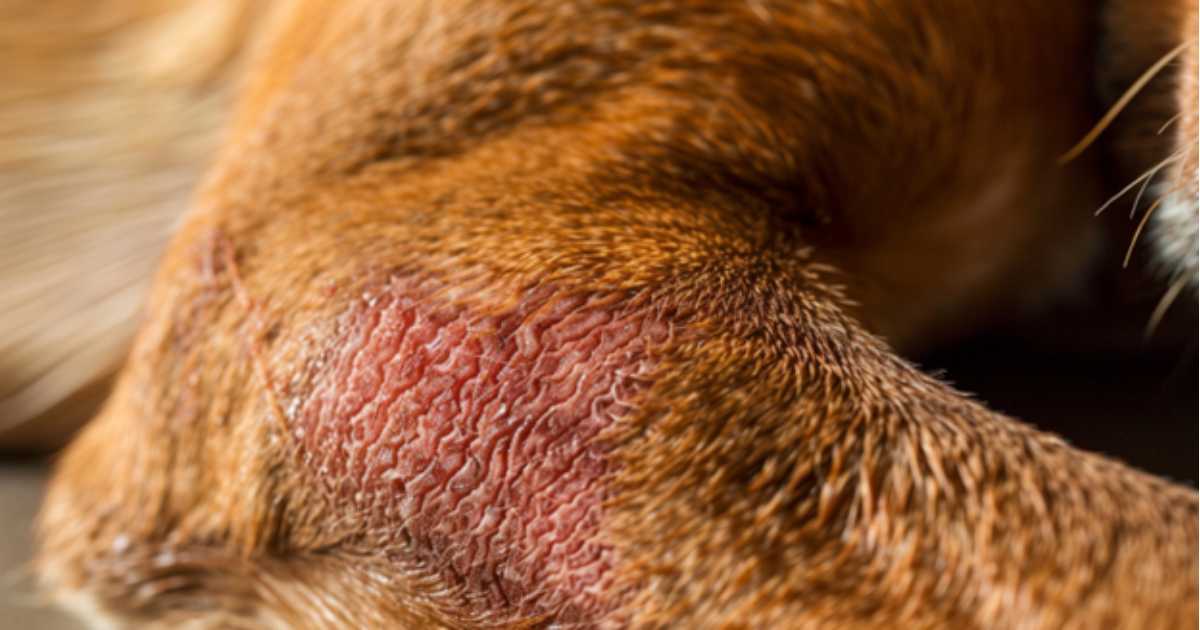
Image source: Bing (Web (fair-use with source credit))
Brushing a dry, dirty coat. If your dog rolled in mud, don't brush it. Brushing dirt pushes it deeper into the coat and creates friction that breaks hair. Wash first, dry thoroughly, then brush.
Leaving the coat wet after a bath or swim. This is how hotspots happen. Moisture trapped in the undercoat creates a warm, humid environment where bacteria thrive. Always finish with the high-velocity dryer.
If you don't own one, use cool air from a regular dryer on a low setting, or ensure the dog is completely dry indoors before letting her out.
Skipping mats until they're severe. A small mat that took a week to form can be brushed out in minutes. A large mat takes painful work or shaving. Catch them early with a weekly comb-through.
Ignoring the rear end. The "pants" area matts fast, especially on long-haired lines. Many owners focus on the back and chest and miss the rear entirely. Add this zone to your routine every single time.
Benefits of a Consistent Grooming Routine
A solid grooming routine does more than keep your house fur-free. It directly impacts your dog's quality of life.
First, it maintains the coat's natural insulation. A well-groomed Newfoundland stays comfortable in both summer heat and winter cold. The undercoat needs to be free of mats and loose hair to trap air properly.
When it's matted, that air pocket disappears, and the dog overheats or gets cold.
Second, regular grooming is your best early warning system. You'll feel lumps, bumps, cuts, and dry patches long before they become serious. You'll notice fleas and ticks quickly, before an infestation develops.
Third, it reduces shedding in your home. That might sound odd, since brushing produces piles of fur. But that fur is coming out in a controlled way, outside or in a designated area.
The alternative is a constant drift of black hair across every surface you own.
Fourth, it creates a bonding routine. Newfoundlands are famously affectionate, and grooming sessions become a trusted ritual. Many owners report their dogs actively seek out the brush, rolling over for belly access and leaning into the rake.
How Often Should You Groom? A Realistic Schedule
Consistency beats intensity. Here's a realistic schedule that works for most Newfoundland owners.
Daily (5 minutes): Quick brush with the slicker, check the ears, check the paws, wipe the face.
Weekly (30-45 minutes): Full line brushing with the rake. Comb-through for mats. Nail check and grinding.
Ear cleaning and paw pad trimming.
Monthly (2-3 hours): Full bath with shampoo and conditioner, high-velocity dry, complete detangle, nail trim, ear check.
Seasonal: During blowout periods, increase brushing to daily. These sessions will be longer, but expect the fur pile to shrink noticeably within a week.
After every swim or muddy walk: Rinse and dry. Never let a wet or dirty coat sit overnight.
If this sounds like a lot, it is. That's the honest answer. But it becomes routine, like brushing your own teeth.
Most owners settle into a rhythm within a few months, and the sessions become automatic.
What a Professional Groomer Does (and What It Costs)
Not everyone can manage the full process at home. That's perfectly fine. Many Newfoundland owners use a professional groomer for baths and blowouts, then maintain with weekly brushing at home.
Professional grooming for a Newfoundland typically costs between $100 and $200 per session, depending on your region and the groomer's experience. This usually includes a full bath, conditioner, high-velocity drying, nail trim, ear cleaning, and a basic comb-through. Some groomers charge extra for extensive dematting.
The key is choosing a groomer who understands double coats. Call ahead and ask three questions. Do you use a Furminator on double-coated breeds?
If they say yes, move on. Do you have experience with Newfoundlands specifically? Do you use a high-velocity dryer?
The right groomer will answer yes to the last two and emphatically no to the first.
If your dog has severe matting, a reputable groomer will tell you upfront that shaving may be necessary. That's honest. It's better than them fighting through a painful dematting session.
When to Seek Help: Red Flags and Veterinary Issues
Sometimes grooming isn't the answer. These symptoms warrant a vet visit.
Skin that's red, raw, or weeping. That's a hotspot or a bacterial infection. Grooming will only irritate it further. Your vet can prescribe topical or oral treatment.
A persistent odor. Newfoundlands have a natural "doggy" smell, but a sudden, strong odor signals yeast overgrowth or a skin infection.
Excessive scratching or biting at the skin. Allergies, fleas, or mites could be the cause. Grooming won't fix it.
Hair loss in patches. This can indicate hormonal imbalances, ringworm, or other conditions that need veterinary diagnosis.
Mats so tight you can't fit a comb underneath. If the mat is flush with the skin, dematting is painful. Your vet or a professional groomer may need to shave it. Afterward, the skin underneath needs checking for moisture damage or sores.
Thick, brown discharge in the ears. That's a classic sign of a yeast infection. Clean ears won't resolve it. Veterinary ear medication will.
Aggregate consultation data from veterinary dermatology practices indicates that ear infections and hotspots are among the top three reasons Newfoundlands visit the vet for non-routine care. Both are largely preventable with consistent grooming.
Frequently Asked Questions
How do I dry a Newfoundland after a bath?
Use a high-velocity dryer. Never rely on towels alone. Squeeze excess water by hand, towel dry, then blow the coat section by section from skin outward until completely dry.
This prevents hotspots and skin infections.
Can I shave my Newfoundland in the summer to keep him cool?
No. Shaving destroys the coat's natural insulation system. The undercoat traps cool air close to the skin, and removing it makes the dog hotter, not cooler.
It also exposes the skin to sunburn and insect bites. Aggregated data from multiple studies confirms this.
How long does it take to groom a Newfoundland?
A full session takes two to three hours. Weekly maintenance brushings take 30 to 45 minutes. Daily quick brushings take 5 to 10 minutes.
Budget for blowout seasons, which require daily brushing for several weeks.
What's the best brush for a Newfoundland?
An undercoat rake with long, rounded pins is essential. A slicker brush for the topcoat and a wide-toothed metal comb for checking mats round out the kit. Avoid Furminators and shedding blades, which damage the double coat.
Why does my Newfoundland smell even after a bath?
Likely causes are trapped moisture in the undercoat, a yeast infection, or anal gland issues. Bathing more than once a month can also strip natural oils, causing the skin to overproduce sebum, which smells. Drying thoroughly and checking ears and skin can help identify the cause.
How often should I bathe a Newfoundland?
Every six to eight weeks is standard. Bathing more frequently strips natural oils and can dry the skin. During blowout seasons, you may bathe once, then focus on daily brushing to remove the dead undercoat.