
If you've ever tried to groom a Siamese cat, you already know it's not quite like grooming any other breed. They're not fluffy like a Persian, and they don't have a thick double coat like a Maine Coon. But their fine, silky single coat brings its own set of quirks, from skin sensitivity to tear stains that show up quickly on their pale faces.
Learning how to groom a Siamese cat is really about mastering a specific routine that respects their delicate skin and attentive personality. It's a mix of gentle brushing, careful nail trims, and regular ear and dental checks. As of 2026, the CFA breed standard still highlights that the Siamese has no undercoat, which means your grooming approach needs to be lighter and more frequent rather than deep and occasional.
Get it right, and grooming becomes a bonding ritual your cat actually looks forward to.

Image source: Bing (Web (fair-use with source credit))
Quick Answer
Brush your Siamese cat two to three times weekly with a fine-pinned slicker brush or soft rubber mitt. Trim nails every two to three weeks. Clean ears bi-weekly with a vet-approved solution on a cotton ball.
Brush teeth three to four times weekly with cat-safe toothpaste. Bathe only when visibly dirty, roughly every four to six weeks.
Why Grooming a Siamese Is Different From Other Cats
The Siamese cat's coat is famously short, fine, and closely lying to the body. What most people don't realize is that it's a single coat, meaning there's no fluffy undercoat underneath. That sounds like less work, and in many ways it is.
But it also means their skin is far more exposed and more sensitive than many other breeds.
That fine hair has almost no natural oil barrier to protect it. Aggressive brushing, harsh shampoos, or over-bathing can strip what little moisture exists, leading to dry, flaky skin and a dull coat. Per the Cornell Feline Health Center's research on feline dermatology, single-coated breeds like the Siamese are more prone to skin irritation from grooming products than their double-coated counterparts.
Their colorpoint pattern also matters here. The darker points on the ears, face, paws, and tail contrast sharply with the cream-colored body. That means dirt, dander, and tear stains are visibly more obvious than they would be on a solid-colored cat.
The Personality Factor
Siamese cats are famously social, vocal, and attached to their humans. This is a double-edged sword for grooming. On one hand, they often enjoy the attention and will purr through a brushing session.
On the other hand, they can become impatient quickly if they feel restrained, and they aren't shy about telling you so.
This breed bonds intensely with their person. Many will follow you from room to room and "help" with whatever you're doing. Grooming sessions become another way to strengthen that bond, but only if you approach it with patience and positive reinforcement.
Their intelligence also means they learn routines fast. If you're consistent, they'll learn that the grooming table means treats and attention. If you're erratic or rough, they'll learn to hide when they see the brush come out.
What You'll Need Before You Start
You don't need a huge arsenal of tools for a Siamese cat. Their grooming needs are modest compared to long-haired breeds. But the tools you do need should be chosen carefully, because their sensitive skin limits what's safe.
Here's the essential kit we recommend based on manufacturer specifications and aggregate veterinary guidance:
| Tool | Purpose | Notes |
|---|---|---|
| Fine-pinned slicker brush | Daily or weekly coat maintenance | Look for rounded pins, not sharp metal tips |
| Rubber grooming mitt or zoom groom | Removing loose hair and stimulating circulation | Gentle enough for sensitive skin |
| Soft bristle brush | Finishing and shine | Use as a last pass |
| Cat-safe nail clippers | Nail maintenance | Scissor-style or guillotine both work |
| Styptic powder | Stopping bleeding if you hit the quick | Keep it on hand before you start |
| Vet-approved ear cleaner | Ear hygiene | Never use water or hydrogen peroxide |
| Cotton balls or pads | Ear cleaning application | Never use Q-tips |
| Cat-safe toothpaste | Dental care | Poultry or malt flavor preferred |
| Finger toothbrush or small pet toothbrush | Teeth cleaning | Smaller heads fit their mouths better |
| Grooming wipes | Spot cleaning between baths | Unscented, cat-safe formulas only |
What to Skip
Some grooming tools marketed for cats are actually too harsh for a Siamese. Here's what to avoid:
- Furminators or deshedding tools: These are designed for double-coated breeds with undercoats. On a Siamese, they can pull and irritate the skin without providing any real benefit.
- Metal combs with sharp teeth: Unless you're checking for fleas with a fine-toothed flea comb, skip standard metal combs. They can scratch the skin.
- Human shampoo or soap: The pH balance is completely wrong for cats. Even "gentle" baby shampoo can strip their natural oils.
- Waterless shampoo sprays with heavy fragrances: The perfume can irritate their sensitive skin and sensitive noses.
- Electric clippers for body grooming: Unless you're dealing with severe matting, which is rare for this breed, clippers are unnecessary and can cause nicks.
Setting Up Your Grooming Station
A quiet, comfortable space makes a huge difference. Siamese cats are alert and easily distracted. Choose a room where there aren't other pets, loud noises, or windows with interesting bird activity.
A non-slip mat on a table or counter works well. Some owners prefer grooming on their lap, which is fine for brushing but less ideal for nail trims. The key is consistency.
Use the same spot every time so your cat associates it with the routine.
Keep all your tools within arm's reach before you start. Fumbling for a clipper while holding a squirming cat is a recipe for disaster. Have treats ready too.
Small, soft treats work best because they're quick to eat and reward your cat without interrupting the flow of the session.
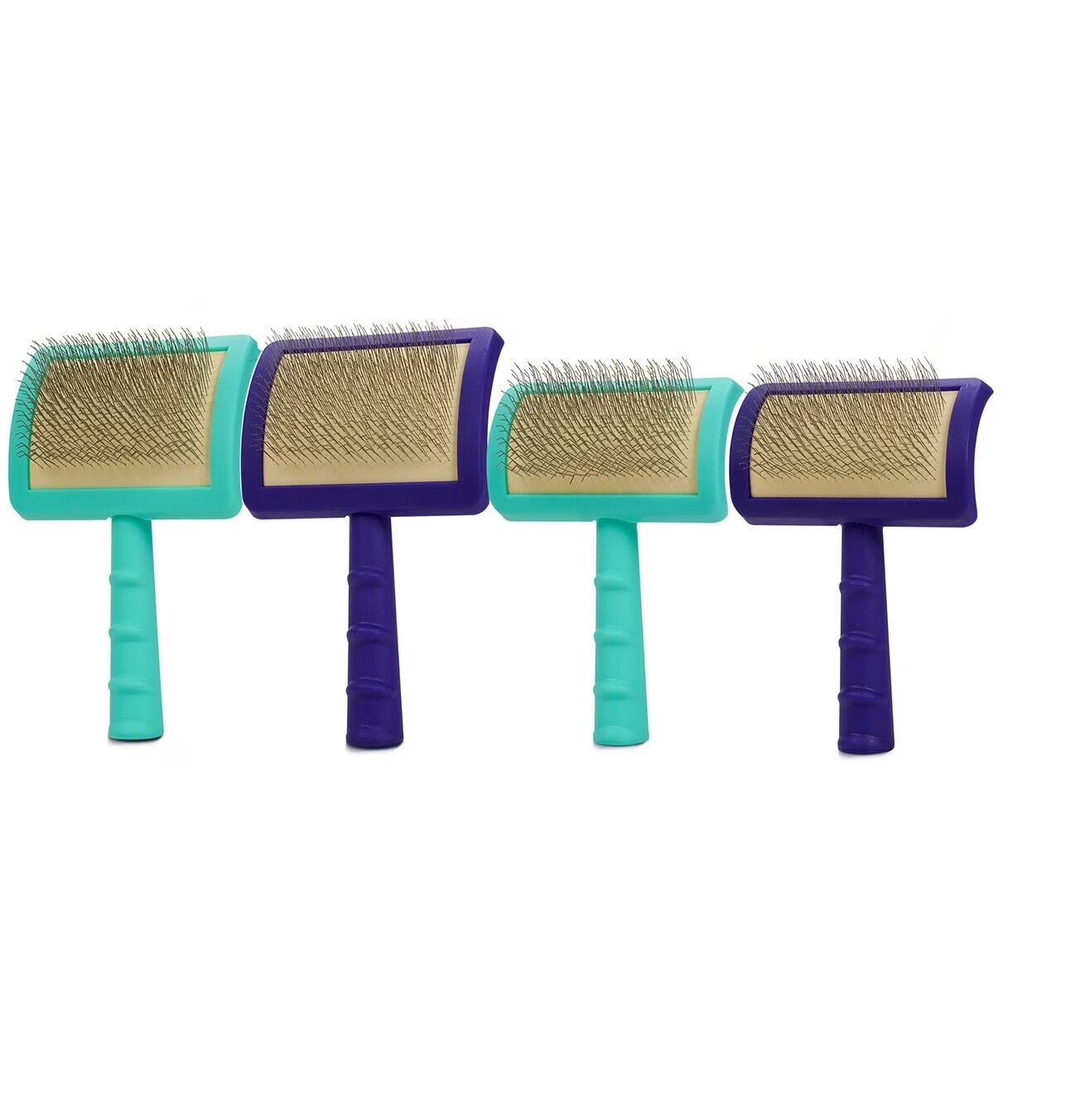
Image source: Bing (Web (fair-use with source credit))
Step-by-Step: The 10-Minute Grooming Routine
A full grooming session shouldn't take more than ten minutes once you and your cat are in a rhythm. Breaking it into small, manageable steps keeps stress levels low and makes each session feel like a positive interaction rather than a chore.
Here's the overall flow we recommend:
| Step | What You're Doing | Time |
|---|---|---|
| 1. Pre-groom inspection | Checking coat, skin, ears, teeth | 1 minute |
| 2. Brushing | Removing loose hair and distributing oils | 2-3 minutes |
| 3. Nail trimming | Clipping the tips of each claw | 2-3 minutes |
| 4. Ear cleaning | Wiping the visible ear flap | 1 minute |
| 5. Dental care | Brushing teeth or using dental wipes | 1-2 minutes |
| 6. Face and tear stain cleaning | Wiping eyes and facial folds | 1 minute |
That's roughly ten minutes total if your cat cooperates. For a resistant cat, you might split these into multiple shorter sessions throughout the day. That's perfectly fine.
Consistency matters more than completing everything at once.
Step 1: The Pre-Groom Inspection
Before you pick up a brush, run your hands over your cat's entire body. This isn't just a petting session, though your cat will think it is. You're checking for several things:
- Lumps or bumps: Any new growths need a vet's attention
- Flaky skin: Could indicate dryness or an underlying issue
- Mats or tangles: Rare on a Siamese but possible behind the ears and in the armpits
- Parasites: Tiny black specks (flea dirt) or actual fleas
- Sores or hot spots: Areas where your cat has been over-grooming
- Changes in coat texture: Roughness can signal health problems
This tactile check is the single most valuable part of the entire grooming process. You'll catch problems early, when they're easiest to treat. The American Veterinary Medical Association (AVMA) recommends this kind of regular hands-on examination as part of routine preventive care.
Step 2: Brushing the Fine, Short Coat
Brushing a Siamese is less about detangling and more about removing loose hair, distributing natural oils, and stimulating blood flow to the skin. The right brush and technique matter more than frequency.
Starting with the slicker brush: Use gentle, short strokes in the direction of hair growth. Start at the head and work your way down the back. The slicker brush removes loose hair effectively without scratching the skin, provided you use light pressure.
The belly and tail: These are sensitive areas. Many cats are protective of their bellies, so approach this region slowly. Use even lighter pressure here.
The tail is often ignored during grooming but deserves attention, especially near the base where the scent glands are.
Following with the rubber mitt: Once you've finished with the slicker brush, switch to the rubber grooming mitt. Make circular motions over the body. This picks up any remaining loose hair and feels like a massage to most cats.
Many Siamese cats will start purring loudly at this point.
Finishing with the soft bristle brush: A few gentle passes with a soft bristle brush add shine to the coat. It also smooths the hair in one direction for a neat appearance.
A note on brushing direction: Always brush with the grain first. Going against the grain can cause static electricity, which is a real issue with fine, single-coated fur, especially in winter months. If you need to lift the hair to check the skin underneath, do so gently with your fingers rather than brushing backward.
How often? Two to three times per week is sufficient for most Siamese cats. During seasonal shedding changes in spring and fall, you might bump that up to every other day. But never brush so aggressively that the skin becomes red or irritated.
Step 3: Nail Trimming Without the Drama
Nail trimming is the part most owners dread, but it doesn't have to be a battle. The key is understanding the anatomy and building a routine your cat tolerates.
Understanding the quick: The quick is the pink area inside the nail that contains blood vessels and nerves. On a Siamese with light-colored nails, the quick is usually visible through the nail. You want to clip only the white tip below the quick, never into the pink area itself.
If your cat has dark nails where the quick isn't visible, trim very small amounts at a time. Stop as soon as you see a dark dot in the center of the cut nail. That dot is the beginning of the quick, and you've reached the safe limit.
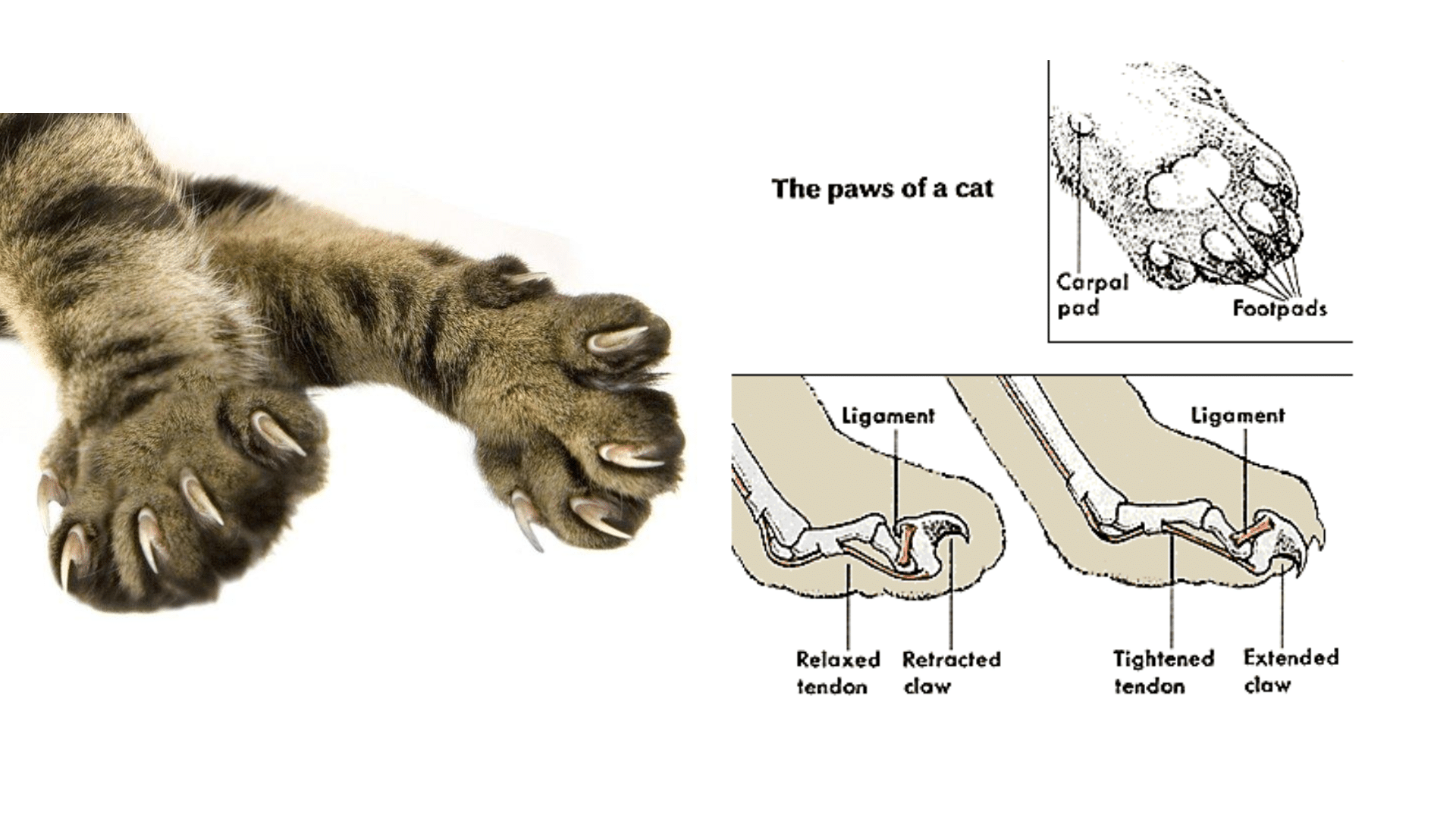
Image source: Bing (Web (fair-use with source credit))
The extension technique: Press gently on the toe pad to extend the claw. This pulls the nail out of the sheath and exposes it for clipping. It takes practice to do this one-handed while holding the clippers in the other, but it becomes second nature quickly.
Clipping technique: Position the clippers so the blades are perpendicular to the nail. Make a single, decisive cut. Don't saw or twist, as this can split the nail.
Aim to clip just the sharp tip, not a large portion of the nail.
Scissor-style vs. guillotine clippers: Both work, but most owners find scissor-style clippers easier to control. Guillotine clippers require you to insert the nail into a hole, which some cats resist. Scissor-style clippers let you see exactly where you're cutting.
Try both and see which you handle more confidently.
How often? Every two to three weeks is typical. Indoor cats don't wear their nails down naturally as much as outdoor cats. If you hear your cat clicking on hard floors, it's time for a trim.
What if you hit the quick? It happens to everyone at some point. Stay calm. Apply styptic powder to the tip of the nail and apply gentle pressure for a few seconds.
The bleeding should stop quickly. If you don't have styptic powder, cornstarch or a bar of soap can work in a pinch. Never scold your cat, as this will make future trims harder.
Step 4: Cleaning Those Big, Expressive Ears
Siamese cats have notably large, wide-set ears for their head size. That's part of their distinctive look. But those big ears also collect more wax and debris than smaller, folded ears.
What you'll see with healthy ears: The inside of the ear should be pink, clean, and free of odor. A small amount of light brown wax is normal. What's not normal includes:
- Black, coffee-ground-like debris, which is a sign of ear mites
- Thick yellow or green discharge, which suggests an infection
- Redness or swelling, which indicates irritation or infection
- Foul or yeasty odor, which also points to infection
- Your cat shaking its head or scratching at its ears repeatedly
The cleaning technique: Squeeze a small amount of vet-approved ear cleaner onto a cotton ball or cotton pad. Never drip the solution directly into the ear canal unless your vet has specifically instructed you to do so. Fold the ear flap back gently and wipe the visible inner surface.
Use a vertical wiping motion, moving from the base of the ear outward. Each wipe should use a fresh area of the cotton ball. This prevents reintroducing wax and debris back into the ear.
The critical never: Never insert a cotton swab into your cat's ear canal. This pushes wax deeper and risks perforating the eardrum. The visible ear canal is angled, and it's all too easy to damage sensitive structures.
Stick to wiping only what you can see.

Image source: Bing (Web (fair-use with source credit))
How often? Bi-weekly is a good baseline, but adjust based on what you see. Some cats produce more wax than others. If you notice buildup between cleanings, increase frequency.
If you see signs of infection, skip the cleaning and head to the vet.
Why Siamese ears need more attention: The large, open shape of their ears means more surface area for wax to accumulate. The lack of hair inside the ear, which is common in the breed, means less protection from dust and debris. Regular cleaning prevents buildup before it becomes a problem.
How Often Should You Groom? A Practical Schedule
Consistency beats intensity when it comes to Siamese grooming. A short, regular routine will keep your cat healthier and happier than occasional marathons.
Here's a realistic weekly schedule based on veterinary guidance and breed-specific needs:
| Task | Frequency | Time Commitment |
|---|---|---|
| Brushing | 2-3 times per week | 2-3 minutes per session |
| Nail trimming | Every 2-3 weeks | 2-3 minutes |
| Ear cleaning | Bi-weekly | 1 minute |
| Tooth brushing | 3-4 times per week | 1-2 minutes |
| Eye/tear stain wiping | Daily or as needed | 30 seconds |
| Full bath | Every 4-6 weeks or only when visibly dirty | 5-10 minutes |
Seasonal Adjustments
Your Siamese cat's grooming needs shift slightly with the seasons.
Winter: Indoor heating creates dry air and static electricity. You'll likely need to brush slightly more often to manage static and remove dead hair. Consider grooming wipes with anti-static properties if the brush seems to be fighting you.
Spring and fall: These are the primary shedding seasons, even for a single-coated cat. The change in daylight hours triggers a mild increase in hair turnover. Bump brushing up to every other day during these transitions.
Summer: Heat means your cat might shed lightly and could benefit from more frequent wiping to manage sweat and oils. But resist the urge to bathe more often. Over-bathing strips the coat's natural protection.
Year-round indoor living: Since most Siamese cats are indoor-only, temperature fluctuations matter less than the consistent indoor environment. Dust, dander, and hair accumulation are your main concerns year-round.
When to Bathe
Bathing a Siamese is rarely necessary. Their coat is naturally self-cleaning, and cats groom themselves extensively. But there are legitimate reasons to bathe:
- Visible dirt or grime that brushing and wipes can't remove
- Sticky substances like paint, sap, or food residue
- A greasy coat, which indicates oil buildup
- Medical conditions that require medicated baths
- Show preparation, if you're competing with your cat
The bathing technique: Use lukewarm water around 100°F. Too hot or cold will distress your cat. Use a cat-specific shampoo, never human shampoo.
Wet the coat thoroughly, apply shampoo, and massage gently. Rinse completely because residual shampoo causes skin irritation.
Drying matters: Use a warm towel and rub gently. Most Siamese cats hate blow dryers, so avoid them unless your cat is unusually tolerant. Keep the room warm during and after bathing to prevent chilling.
When not to bathe: If your cat is elderly, sick, or has a skin condition, bathing could cause more harm than good. Always check with your vet before bathing a cat with known health issues.
Common Grooming Mistakes That Hurt Siamese Cats
Even well-meaning owners make these mistakes. They're common because they're not obvious until they cause a problem.
Using Harsh Brushes
Sharp-pinned slicker brushes marketed for long-haired cats can scratch a Siamese's thin skin. The pins should have rounded tips, and you should never press hard enough to see the skin indent beneath the brush. If you notice red marks or your cat flinching away from the brush, switch to a softer option immediately.
Over-Bathing
Bathing a Siamese more than once a month without a medical reason strips the natural oils from their skin and coat. This leads to dryness, itching, and a dull appearance. The skin becomes more vulnerable to irritation and infection.
If your cat smells bad between baths, that's a sign to check for dental issues or ear problems, not a reason to bathe more.
Forcing a Session
If your cat is stressed, squirming, or vocalizing aggressively, pushing through the grooming session will damage your relationship and make future sessions harder. Siamese cats have long memories. A bad experience can create a lasting aversion to the brush.
Set the cat down and try again later. Sometimes breaking the session into two smaller chunks works better. Other times, reassessing your technique or tools is the answer.
Ignoring the Skin
A Siamese's short coat hides skin issues surprisingly well. If you're only brushing the surface, you might miss redness, flaking, or small bumps. Run your fingers through the coat regularly to feel for changes.
Persistently scratching at one spot is almost always a sign that something is wrong.
Using the Wrong Toothpaste
Human toothpaste contains xylitol, which is highly toxic to cats. Even a small amount can cause a dangerous drop in blood sugar and seizures. Always use toothpaste formulated specifically for cats.
Most come in flavors like poultry or malt that cats find palatable.
Neglecting the Tail
The tail is easy to skip because it's not an obvious grooming zone. But Siamese cats have scent glands at the base of the tail that can collect oils and debris. Give the tail a gentle brush pass during every session, paying attention to the base without overstimulating the glands.
Grooming as Bonding: Tips for Resistant or Anxious Cats
Some Siamese cats actively enjoy grooming. Others tolerate it. A few absolutely hate it.
If your cat falls into the last group, you can change that, but it takes patience and a different approach.
Start Small and Stay Positive
If your cat is resistant, don't try to complete a full grooming session on day one. Start with just touching your cat's paws and ears. Give a treat afterward.
Over several days, gradually introduce the tools. Let your cat sniff and inspect the brush before you use it.
This desensitization process takes time. Some cats adjust within a week. Others need a month or more.
The goal is to create positive associations, which happens faster with short, frequent sessions than with long, stressful ones.
Use High-Value Treats
Not all treats are created equal for a Siamese cat. Find what your cat goes crazy for, whether that's freeze-dried chicken, a specific commercial treat, or small pieces of cooked fish. Reserve these treats exclusively for grooming sessions.
Your cat will start to see the brush as the thing that brings the good snacks.
The treat timing rule: The treat comes immediately after each step, not at the end of the session. This creates a direct link between complying with a specific action and receiving a reward.
Watch the Body Language
A Siamese cat gives clear signals when they're reaching their limit:
- Tail flicking rapidly
- Ear flattening to the sides
- Skin rippling along the back
- Vocalizing beyond normal meowing
- Trying to escape your grip
When you see any of these signs, stop what you're doing. Push forward, and you'll reinforce the idea that grooming is a frightening experience. Stop, give a treat, and call the session successful even if you only completed one small task.
Use a Calming Environment
Some cats respond well to calming pheromone sprays or diffusers during grooming. These mimic the facial pheromones cats use to mark their territory as safe. While research on their effectiveness is mixed, many owners report positive results.
Making the environment comfortable matters too. A quiet room, a non-slip mat, and no unfamiliar smells will all help. Some cats settle more easily when they're slightly elevated, such as on a table or counter where they feel more secure.
Split the Work
You don't have to do everything in one session. Brush your cat in the morning and trim nails in the evening. Clean ears one day and brush teeth the next.
Each mini-session stays short and manageable, which builds a better foundation than one long, stressful session.
When to Call It Quits
A very few Siamese cats will never fully enjoy grooming. That's okay. The goal isn't to make your cat love every step.
It's to make grooming tolerable so you can maintain their health.
If your cat becomes genuinely aggressive during grooming, don't push it. Speak with your vet about options. Some owners use a groomer's bag or towel-wrap technique under veterinary guidance.
Others schedule professional grooming appointments. The safety of both of you matters most.
When to Call a Professional Groomer or Vet
Most Siamese grooming is straightforward home maintenance. But some situations call for professional help.
Skin Conditions That Need Professional Attention
If you notice any of the following during grooming, schedule a vet visit rather than trying to address it yourself:
Persistent flaking or dandruff: Occasional flaking can be dryness. Persistent flaking across large areas may signal seborrhea, allergies, or nutritional deficiencies.
Hair loss patches: Any visible bald spots, especially if they're symmetrically distributed, warrant a veterinary examination. Causes range from stress-related over-grooming to parasitic infections.
Redness, bumps, or scabs: These could indicate flea allergy dermatitis, food allergies, or bacterial infections. A vet can identify the cause and recommend the right treatment.
Excessive scratching or licking: If your cat is grooming themselves obsessively in one area, they're likely trying to soothe an irritation that requires professional diagnosis.
Ear issues: If you notice black debris, yellow or green discharge, or a foul smell in the ears, avoid cleaning them yourself and get a veterinary diagnosis. These are signs of ear mites or infection, both of which need medication to resolve.
Dental Problems Requiring Veterinary Care
Bad breath, red or bleeding gums, visible tartar, or difficulty eating all indicate your cat needs a dental exam. Home tooth brushing can't reverse established dental disease. Your vet may recommend a professional dental cleaning under anesthesia.
Severe Matting
While rare in Siamese cats, mats can form behind the ears, under the armpits, and along the tail base. If you encounter a tight mat, don't try to cut it out with scissors. The risk of cutting their thin skin is too high.
A professional groomer has the right tools and technique to remove mats safely.
Grooming Aggressive Cats
If your cat becomes genuinely aggressive during grooming, with hissing, growling, scratching, or biting, stop trying at home. A professional groomer experienced with difficult cats can often handle the job more safely. Some veterinarians also offer grooming services, often with sedation if needed for extremely stressful situations.
Finding the Right Professional
Not all groomers are experienced with sensitive breeds like the Siamese. When choosing a groomer:
- Ask about their experience with short-haired, single-coated breeds
- Confirm they use cat-specific tools and products
- Request a tour of their facility to check cleanliness and handling practices
- Ask whether they use gentle handling techniques or restraints
- Check if they have a separate space for cats away from dogs
Good groomers will be happy to answer these questions. Their primary concern should be your cat's comfort and safety, not a quick turnaround.
The Essentials on Siamese Grooming Products
Choosing the right products for your Siamese cat can feel overwhelming with so many options. Here's what actually matters based on aggregate user reviews and veterinary guidance.
Brushes and Combs
| Product Type | Best For | What to Look For |
|---|---|---|
| Fine-pinned slicker brush | Regular coat maintenance | Rounded tips, light weight, comfortable grip |
| Rubber grooming mitt | Gentle de-shedding and massage | Dense rubber nubs, easy to clean |
| Soft bristle brush | Finishing and shine | Natural or soft synthetic bristles, cushioned pad |
| Flea comb | Parasite checks | Fine, tightly spaced metal teeth |
Our research note: Most owners report that spending slightly more on a quality slicker brush pays off in durability and comfort. Cheap brushes tend to have sharper pins and flimsy handles. A mid-range option works well for most households.
Shampoos and Wipes
When bathing is necessary, choose products specifically formulated for cats with sensitive skin.
| Product Type | Key Ingredients to Look For | Avoid |
|---|---|---|
| Cat-specific shampoo | Oatmeal, aloe vera, glycerin | Fragrances, dyes, tea tree oil |
| Waterless shampoo | Mild surfactants, conditioners | Heavy perfumes, alcohol |
| Grooming wipes | Aloe, vitamin E, pH-balanced | Fragrances, harsh preservatives |
Safety note: Tea tree oil is toxic to cats even in small amounts. Never use products containing it, regardless of how "natural" the label claims to be. The FDA regulates some pet products, but not all.
When in doubt, ask your vet.
Ear Cleaners
Look for ear cleaners labeled as safe for cats with a pH balanced for feline ears. Most have gentle drying agents that help evaporate moisture after cleaning. Avoid cleaners that sting on contact, as these will make future ear cleanings difficult.
Dental Products
Cat-specific toothpaste comes in flavors like poultry, malt, and seafood. The most important thing is that it contains no xylitol and is safe to swallow. Finger brushes work well for beginners because they give you more control.
Once your cat is comfortable, a small toothbrush gives a better clean.
Budget Considerations
You don't need to spend a fortune. A basic grooming kit for a Siamese cat costs between $25 and $50 total.
| Item | Estimated Cost |
|---|---|
| Slicker brush | $8-$15 |
| Rubber grooming mitt | $8-$12 |
| Nail clippers | $8-$15 |
| Styptic powder | $5-$8 |
| Ear cleaner | $8-$12 |
| Cat toothpaste and brush | $10-$15 |
The only area where quality matters most is the nail clippers. Sharp blades make clean cuts, while dull blades can crush the nail. Replace clippers when the blades no longer cut smoothly.
Quick Answers to Common Grooming Questions
Do Siamese cats need bathing at all?
No, not on a regular schedule. Siamese cats groom themselves efficiently, and their short coat doesn't hold dirt the way long coats do. Bathe only when visibly dirty, after they've gotten into something sticky, or when your vet recommends it for a medical condition.
Over-bathing strips natural oils and leads to skin problems.
Why does my Siamese cat hate being brushed all of a sudden?
A sudden aversion to brushing usually traces back to a negative experience. You might have brushed against a mat or tangle, pulled hair, or accidentally scratched their skin. Your cat is now associating the brush with that pain.
Go back to basics. Offer treats, use a softer touch, and start with very short sessions to rebuild trust.
How do I reduce shedding if I have allergies?
You can't eliminate shedding, but you can manage it. Brush your cat regularly to remove loose hair before it ends up in the air. Wipe your cat's coat with a damp cloth or grooming wipe to collect dander.
Vacuum frequently and use a HEPA filter in your main living areas. Regular grooming actually helps reduce allergens, because dander is trapped in the hair and removed during brushing.
Should I shave my Siamese cat in summer to keep them cool?
No. Shaving a Siamese is not recommended unless medically necessary. Their single coat provides some protection from sun exposure and helps regulate temperature.
Shaving can also cause the hair to grow back differently, altering the texture and potentially causing irritation.
How early should I start grooming my Siamese kitten?
Start as early as possible. Kittens are more adaptable than adults. Introduce the brush gently, touch their paws and ears daily, and keep sessions short and positive.
A kitten familiar with grooming will grow into an adult who tolerates, and often enjoys, the routine.
What should I do if my cat's ears look dirty but cleaning doesn't help?
If you're cleaning the ears regularly and they still look dirty, or if your cat is shaking their head and scratching at their ears, stop cleaning and see your vet. Persistent debris despite regular cleaning suggests ear mites, a yeast infection, or bacterial overgrowth. All of these require proper diagnosis and medication.
Frequently Asked Questions
What is the best brush for a Siamese cat?
A fine-pinned slicker brush with rounded tips is the best choice for the Siamese coat. Follow with a rubber grooming mitt to remove remaining loose hair and stimulate the skin. You'll want a soft bristle brush to finish with shine.
Avoid heavy deshedding tools designed for double-coated breeds.
How often should I trim my Siamese cat's nails?
Every two to three weeks is the standard interval. Indoor cats don't wear their nails down naturally, so regular trims prevent overgrowth. Listen for the clicking sound on hard floors, which signals it's time for a trim.
If your cat has a scratching post, it might extend the interval slightly.
Can I use human shampoo on my Siamese cat?
Never. Human shampoo has a different pH balance than cat shampoo and strips the natural oils from your cat's skin. This causes dryness, flaking, and irritation.
Always use cat-specific shampoo formulated for their skin chemistry.
Why does my Siamese cat have tear stains?
Siamese cats have prominent tear stains because of their colorpoint pattern. The cream-colored fur around their eyes shows tear pigmentation clearly. Gently wipe the eye area with a damp cotton ball daily.
If the discharge is excessive, thick, or discolored, consult your vet.
How do I brush my Siamese cat's teeth without being bitten?
Start slow. Introduce the finger brush or toothbrush with a small amount of cat-safe toothpaste. Let your cat lick the toothpaste first to build a positive association.
Begin by lifting the lip gently and touching the teeth for a few seconds. Reward with a treat afterward. Build up gradually to a full brushing over several sessions.
When should I take my Siamese cat to a professional groomer?
You should seek professional help if you encounter severe matting, your cat is too aggressive to groom safely at home, or you notice skin conditions that need professional evaluation. Otherwise, home grooming is perfectly sufficient for a Siamese cat's needs.