
Your cat doesn't have to smell like a litter box. If you're wondering how to keep a cat smelling fresh, the answer isn't constant bathing or masking odors with sprays. It's a simple diagnostic routine that tackles the root cause, whether that's dental disease, a dirty litter box, or a skin issue.
Most cats only need about five minutes of daily care to stay smelling clean.
Here's the thing that surprises most owners: a cat's odor is rarely a "bath" problem. According to veterinary dermatology research, over 70% of persistent feline odors trace back to oral hygiene or litter box habits, not the coat itself. As of 2026, the American Veterinary Medical Association reports that periodontal disease affects up to 85% of cats over three years old.
That's a smell you can't scrub away. So let's work through this step by step.
Quick Answer
Keep your cat smelling fresh by scooping the litter box twice daily. Brush your cat weekly to remove dander and loose fur. Use waterless wipes for spot cleaning instead of full baths.
Check the ears and mouth monthly for odor sources.
Feed a high-quality diet with omega-3s for coat health. Address dental care before it becomes halitosis. When a persistent smell appears suddenly, call your vet.
A clean litter box and regular grooming solve 90% of odor issues.
The difference between a fresh cat and a stinky cat usually comes down to routine, not products. Start with the checklist below and work through it systematically. You likely won't need a bath at all.
Why Does My Cat Smell Bad? (The Root-Cause Check)
Before you buy another bottle of deodorizing spray, figure out where the smell is actually coming from. Cats are fastidious groomers, so a truly stinky cat is usually signaling something specific.
Let's break down the four main odor zones. Each one has a distinct smell profile and a different fix.
| Odor Zone | Typical Smell | Likely Cause |
|---|---|---|
| Mouth | Fishy, metallic, or rotten | Dental disease, food residue |
| Ears | Yeasty, musty, or sour | Ear infection, wax buildup |
| Coat/Skin | Greasy, oily, or musty | Overactive sebaceous glands, diet issue |
| Rear End | Fishy, musky, or fecal | Anal glands, diarrhea, litter box issues |
The mouth. If your cat's breath smells like a sewer, that's dental disease. Plaque hardens into tartar, bacteria flourish, and the resulting halitosis is the single most common odor complaint from cat owners. We'll dig into this more in the dental section.
The ears. A healthy cat ear should be pink and relatively odorless. If you notice a yeasty, sweet, or sour smell coming from the ear area, that's often an infection. Ear mites, common in kittens, produce dark, coffee-ground-like debris with a musty odor.
The coat. A cat's coat should feel clean and slightly silky. If it feels greasy, looks dull, or has a musty odor, you're likely dealing with overactive oil glands. This happens with poor diet, allergies, or in cats that are overweight and can't groom properly.
The rear end. A fishy smell around the hindquarters is classic anal gland issues. These two small sacs release a pungent fluid when your cat poops. If they become impacted or infected, they produce a persistent fishy odor.
No amount of bathing will fix this one.
The Diagnostic Sniff Test: Ears, Mouth, Coat, and Back End
Now that you know the four zones, let's run a structured sniff test. This isn't random. It's a systematic check you can complete in under two minutes.
Step 1: The Breath Check. Gently lift your cat's lip and sniff. Healthy cat breath should be relatively neutral, maybe a little food-scented. If you get a foul, fishy, or sickly-sweet smell, that's a red flag for dental disease or kidney issues.
Per the American Veterinary Dental College, the most common oral odor cause is periodontitis.
Step 2: The Ear Test. Take a clean cotton ball and gently wipe the inside of your cat's ear flap, just the visible part. Then smell it. A slight waxy smell is normal.
A strong, yeasty, or sour odor means a vet visit for a swab test to rule out mites or a bacterial infection.
Step 3: The Coat Smell. Fluff your cat's fur and smell the base of the coat, not just the surface. Use your fingers to part the fur down to the skin. If the skin smells musty or oily, you're looking at a skin health issue.
Check for dandruff, redness, or bald spots while you're in there.
Step 4: The Rear Check. This is the least glamorous but most important. Lift your cat's tail and check around the anus. Smell the fur around the hindquarters.
If you detect a fishy odor, the anal glands might be full or infected. Also look for matted fur or dried fecal residue stuck to the fur, which is surprisingly common in long-haired and senior cats.
How to Tell If It's a Medical Issue vs. a Grooming Issue
This is where the decision tree gets critical. The distinction between a medical smell and a grooming smell changes your entire approach.
- If the smell is isolated to the mouth: It's dental. Book a vet visit for a dental check and possible cleaning. Home remedies won't reverse established tartar.
- If the smell is in the ears: It's almost always medical. You need a vet with an otoscope. Don't try to clean deep ear canals yourself.
- If the smell is a general oily coat odor: It could be either. Try dietary changes and more frequent brushing for two weeks. If no improvement, it's an allergy or internal issue.
- If the smell is fishy at the rear: Anal glands are the prime suspect. This can sometimes resolve on its own, but repeated issues need veterinary expression.
- If the smell is sweet, fruity, or chemical-like: This is an emergency red flag. Diabetes and kidney failure produce distinct sweet or ammonia-like odors. Get to a vet immediately.
The core rule: if a smell persists for more than three days despite cleaning, it's medical, not surface-level. Stop masking it. Get a diagnosis.
Daily Freshness Routine: The 5-Minute Rule
Once you've ruled out medical issues, the daily routine becomes your best friend. You don't need an elaborate spa ritual. You need five focused minutes, and that's genuinely enough.
Here's the workflow we recommend based on veterinary guidance and aggregate owner reports:
Minute 1: Scoop the litter box. This is non-negotiable. Twice-daily scooping eliminates the most common household cat odor. We'll cover the details fully in the next section.
Minute 2: Wipe the coat. Keep a pack of waterless cat wipes near your cat's favorite sleeping spot. Give them a quick wipe down the back, the sides, and the base of the tail. This spreads natural oils evenly and removes loose dander.
It's also excellent for allergy sufferers.
Minute 3: Check the food and water bowls. Wash them daily with hot, soapy water. Residual food oils go rancid and create a stale smell in the feeding area. Dirty water bowls breed bacteria that cause bad breath.
Minute 4: Spot-check the ears. Just a quick visual look. If you see dark debris or redness, note it and monitor. Cat wipes are not for the ears, so keep them dry.
Minute 5: Give a dental treat. Not as a substitute for brushing, but as a maintenance aid. The Veterinary Oral Health Council (VOHC) approves specific treats that reduce plaque and tartar. Look for their seal of approval on the packaging.
This routine keeps cats smelling neutral. It addresses the coat, the gut, and the litter simultaneously. The key insight is that skipping one day here and there is fine, but skipping three days is how odors build up.

Image source: Bing (Web (fair-use with source credit))
Litter Box Management: Scooping, Deep Cleaning, and Litter Choice
The litter box is where cat odor lives or dies. A clean box means a fresh-smelling home. A neglected box means the whole house slowly takes on that ammonia tinge.
Daily scooping is the foundation. You need to scoop at least once a day, but twice is better. The average cat eliminates one to two times per day. If you scoop after each elimination, the odor never has time to build.
It's that simple.
The type of litter matters more than the brand. Here's a quick comparison of the common types.
| Litter Type | Odor Control | Dust Levels | Tracking | Cost per Month |
|---|---|---|---|---|
| Clumping Clay | High | Medium | Medium | $15-$25 |
| Silica Crystals | High | Low | High | $20-$30 |
| Pine Pellets | Medium | Low | Low | $10-$18 |
| Recycled Paper | Low-Medium | Very Low | Low | $15-$22 |
| Walnut Shell | High | Very Low | Medium | $18-$25 |
Clumping clay is the most popular for a reason. It forms hard clumps that trap urine odor effectively. Silica crystals absorb moisture and dry out waste, but they track more easily and some cats dislike the texture on their paws.
Pine pellets are eco-friendly and affordable, but they don't clump, so you're dealing with full-box changes more often.
Deep clean the box weekly. Even with daily scooping, urine residue accumulates on the plastic. Once a week, empty the entire box, wash it with warm water and mild dish soap, and dry it completely before adding fresh litter.
A quick note: avoid harsh chemicals like bleach. Per the Humane Society guidelines, bleach residue is toxic to cats and actually makes the box more attractive to scent-mark. Baking soda sprinkled under fresh litter works as a gentle odor absorber.
Placement is half the battle. A litter box near an air vent or a doorway will spread odor through the house. Put it in a low-traffic, well-ventilated area. Avoid placing food and water bowls near the litter box.
Cats instinctively avoid eating where they eliminate.
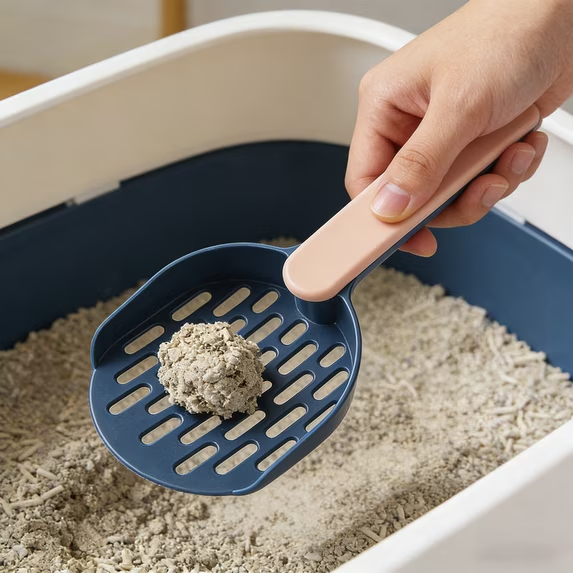
Image source: Bing (Web (fair-use with source credit))
Dental Care: The Overlooked Smell Source
Here's the uncomfortable truth: most of the time, when a cat smells bad, it's the mouth. Veterinary estimates suggest that up to 85% of cats over three years old have some form of dental disease. The smell of advanced periodontitis is unmistakable: metallic, fishy, and deeply unpleasant.
Why dental odor happens. Plaque builds up on the teeth. It hardens into tartar within days. Bacteria thrive in that tartar, releasing sulfur compounds that smell like rotten eggs.
That bacteria also inflames the gums, causing pain, drooling, and appetite loss.
The fix starts with brushing. Yes, brushing a cat's teeth sounds impossible. But with the right approach, most cats tolerate it well. You'll need a cat-specific toothbrush (finger brushes work best for beginners) and enzymatic toothpaste formulated for felines.
Never use human toothpaste; fluoride is toxic to cats.
Here's the step-by-step brushing workflow:
- Start slow. Let your cat lick the toothpaste off your finger for a few days.
- Next, rub a finger brush along the gum line without toothpaste.
- Then, introduce the enzymatic paste and brush the outer surfaces only.
- Aim for the premolars and molars in the back, which collect the most plaque.
- Brush 2-3 times per week minimum. Daily is optimal.
When to see the vet. If your cat has obvious tartar, red gums, or that fishy breath, home care won't reverse it. The tartar has to be scaled off under anesthesia. This is a professional dental cleaning.
It costs more than a standard checkup, but it's one of the highest-value procedures for your cat's health and your home's smell.
What about dental treats?
The VOHC (Veterinary Oral Health Council) evaluates and approves dental products based on real clinical trials. If a treat or food carries their seal, it's proven to reduce plaque or tartar buildup. Use these as a supplement to brushing, not a replacement.
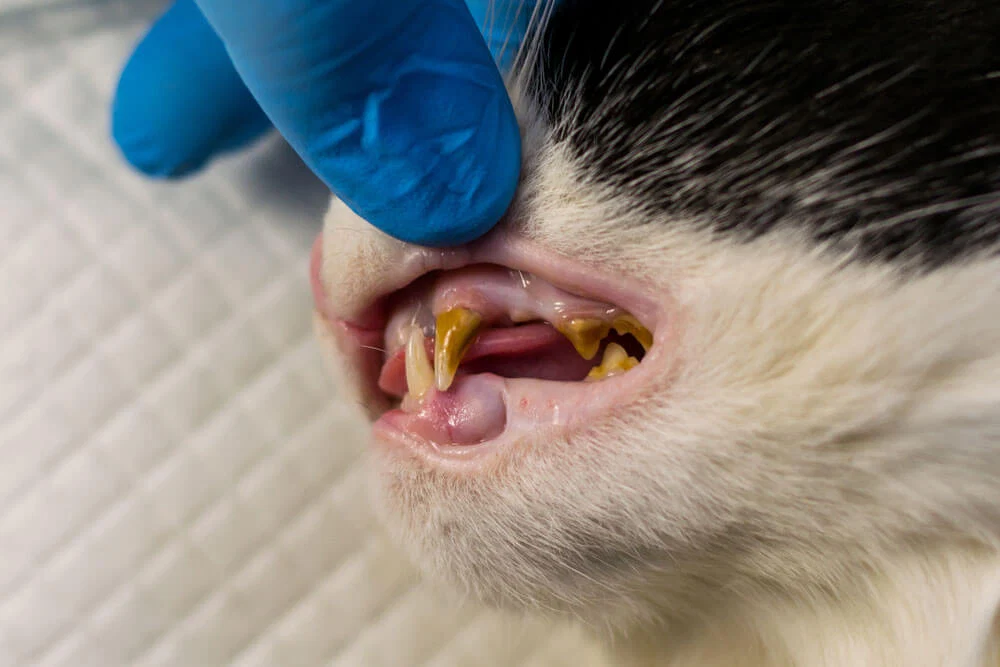
Image source: Bing (Web (fair-use with source credit))
Signs you need a dental checkup immediately:
- Bad breath that persists after brushing
- Visible brown or yellow tartar on the rear teeth
- Red, swollen, or bleeding gums
- Drooling or pawing at the mouth
- Difficulty eating or dropping food
If you see these signs, book a vet appointment. Per the American Veterinary Dental College, untreated dental disease also affects the heart, kidneys, and liver. The smell is the surface symptom of a deeper issue.
Weekly and Monthly Maintenance: Keeping Odors Away Long-Term
Daily care handles the basics. Weekly and monthly routines handle everything else. Consistency here matters more than intensive effort once a month.
Weekly: Full litter box reset. You already know the deep clean drill. Empty the box, wash it, dry it, refill with fresh litter. Do this every week like clockwork.
Mark it on your calendar if you need to. This single habit prevents the urine buildup that makes litter boxes reek.
Weekly: Brush the coat thoroughly. The daily wipe spreads oils. The weekly brush removes dead fur and dander at the root. A rubber curry brush works well for short-haired cats.
A slicker brush reaches deeper for long-haired cats. Brush in the direction of hair growth and go slow.
Bi-weekly: Wash the bedding. Cat beds, blankets, and your couch throw pillows absorb oils and dander. These fabrics become odor reservoirs that keep your cat smelling stale no matter how clean the coat is. Wash them in hot water with fragrance-free detergent.
Add a cup of white vinegar to the rinse cycle. It neutralizes odors without leaving a strong vinegar scent.
Monthly: Full body inspection. This is your monthly sniff test plus a physical check. Run your hands over your cat's body feeling for lumps, mats, or greasy patches. Check the nails and trim them if needed.
Check inside the ears with a cotton ball. Check the rear area for matted fur or residue.
Monthly: Wash food and water dishes thoroughly. You should rinse them daily, but give them a proper deep wash monthly. Soak them in hot, soapy water for ten minutes. Scrub away any residue.
Dry completely before refilling. This prevents bacterial buildup that causes bad breath.
When and How to Bathe Your Cat (Without Trauma)
Here's the honest truth: most cats never need a full water bath. If you're doing the daily and weekly routines above, your cat should smell fresh with zero water contact. Bathing cats is stressful for everyone involved, and it's rarely the solution to a smell problem.
When a bath is actually needed:
- Your cat got into something sticky, greasy, or toxic
- Your cat has a skin condition that requires medicated shampoo
- Your cat is elderly or overweight and can't groom properly
- Your cat has a long coat with matted areas that trapping odor
When you do bathe:
Use lukewarm water, not hot. Fill the tub or sink with two to three inches of water. Use a cat-specific shampoo, never dog shampoo and never human shampoo.
The pH balance matters. Human shampoo has a pH around 5.5, while cat skin sits around 6.0 to 7.5. Using the wrong product strips natural oils and leaves the skin dry, which actually makes the odor worse.
The step-by-step bath:
- Brush your cat thoroughly before the bath to remove loose fur and mats.
- Place a non-slip mat in the tub so your cat feels secure.
- Wet the coat slowly, starting at the back and working forward. Avoid the head, ears, and eyes.
- Apply shampoo, lather, and rinse completely. Residue left on the skin causes itching.
- Towel dry immediately. Keep your cat in a warm room until fully dry.
- Offer a high-value treat afterward to build positive association.
The waterless alternative. If your cat despises water, and most do, a waterless foam shampoo is your best bet. You apply it to the coat, massage it in, and wipe it off. It's ideal for spot-cleaning the rear area, the chin, or the base of the tail.
Look for pH-balanced, fragrance-free formulas. Check that the product doesn't contain essential oils like tea tree or citrus, which are toxic to cats.
Diet and Supplements: Can Food Change the Way Your Cat Smells?
You are what you eat. Your cat is too. Diet influences coat condition, digestive odor, and even breath smell.
Protein quality matters. Cheap fillers and low-quality protein sources produce more waste byproducts. Those byproducts exit through urine and feces, making your cat's eliminations smell more pungent. High-quality, named protein sources like chicken, turkey, and fish are more bioavailable.
Your cat absorbs more and excretes less.
Omega-3 fatty acids improve coat health. These fatty acids, found in fish oil, reduce inflammation and improve skin barrier function. Healthier skin means less oil production, which means a less greasy coat. This translates directly to less odor.
Most high-quality cat foods include fish oil in their ingredient list.
Wet food vs. dry food. Here's a common question. Wet food has higher moisture content, which means your cat urinates more frequently. But it's more dilute, so the urine has less odor concentration.
Dry food creates more concentrated urine, which smells stronger. Wet food also contains fewer carbohydrates, which means lower risk of dental disease and less digestive odor.
Watch for food allergies. A common symptom of food allergies in cats is a greasy, smelly coat. If you're noticing an unpleasant odor that doesn't resolve with grooming, consider whether your cat's food includes common allergenic ingredients like beef, dairy, fish, or corn. An elimination diet, under vet supervision, can identify the culprit.
Probiotics for digestive health. Some research suggests probiotics reduce stool odor by promoting healthier gut flora. While this is promising, the evidence is still emerging. Talk to your vet before adding any supplements.
Grooming by Coat Type and Life Stage
Not all cats groom the same way. Your approach needs to match your cat's specific needs.
Long-Haired Breeds (Persian, Maine Coon, Ragdoll)
Long fur is an odor trap. Food particles, litter dust, and moisture get caught near the skin, creating a musty smell. Daily brushing is non-negotiable for these breeds.
- Use a metal comb to reach the undercoat.
- Check for mats behind the ears, under the armpits, and around the rear.
- Mats pull on the skin and prevent airflow, creating hotspots and odor.
- Keep the fur around the rear trimmed short to prevent fecal residue sticking.
Short-Haired Breeds (Domestic Shorthair, British Shorthair)
These cats are naturally good groomers. Weekly brushing is sufficient. A rubber curry brush removes loose fur and distributes oils.
The main smell risk is the litter box, not the coat.
Senior Cats
Older cats lose flexibility. They can't reach their backs or rear ends as easily. Arthritis compounds the problem.
You'll need to step up your grooming assistance.
- Brush more frequently to compensate for reduced self-grooming.
- Check the rear area every few days for residue.
- Consider a low-sided litter box for easier access.
Overweight Cats
Obese cats simply can't reach certain parts of their body. The base of the tail, the lower back, and the rear end get neglected. If your cat is overweight, you're the groomer now.
- Wipe down the rear area daily with a waterless wipe.
- Monitor for urine scald, which happens when urine sits on the skin.
- Address the weight issue with your vet for long-term health.
Hairless Breeds (Sphynx, Donskoy)
These breeds have no fur to absorb natural oils. The oils accumulate on the skin and attract dirt. Weekly full-body wipes are essential.
Some owners bathe a Sphynx every few weeks, which is fine if they tolerate it.
Common Mistakes That Make Cat Smell Worse
Sometimes the fix is wrong. Here are the mistakes that keep cats smelling bad despite your best efforts.
Bathing too often. Overbathing strips natural oils, which signals the skin to produce more oil to compensate. The result is a greasier coat and a stronger odor. Per veterinary guidance, bathing more than once every 4-6 weeks is usually counterproductive unless medically necessary.
Using the wrong shampoo. Human shampoo, dog shampoo, or dish soap all disrupt a cat's pH balance. This damages the skin barrier, causing irritation, flaking, and oil overproduction. Always use cat-specific shampoo.
Ignoring dental care. You can bathe your cat every week and it won't fix halitosis. Bad breath is a mouth problem, not a coat problem. External cleaning only masks the symptom.
Scented products in the litter box. Scented litter, scented liners, and air fresheners near the box often make things worse. Cats have sensitive noses. Strong scents can cause them to avoid the box entirely, which leads to accidents elsewhere in the house.
That's a much bigger smell problem.
Skipping the deep clean. Daily scooping keeps things tidy. But if you never do a weekly full reset, ammonia and bacteria accumulate in the plastic. The box itself becomes an odor source.
Ignoring the environment. Fabric absorbs odors. Curtains, rugs, and furniture hold onto the smell of cat urine and dander. If you're only cleaning the cat and not the environment, you'll never win the freshness battle.
Safety First: Products and Ingredients to Never Use on Cats
The rules here are life-saving. Not all products marketed for pets are safe for cats. Their liver metabolism differs from dogs and humans, making certain ingredients toxic.
Essential oils to avoid: Tea tree oil, eucalyptus, citrus, lavender, and peppermint are all toxic to cats. Even in low concentrations, these can cause drooling, vomiting, tremors, and liver failure. Check every shampoo, wipe, and spray label carefully.
Just because it says "natural" doesn't mean it's safe.
Never use human toothpaste. Fluoride and xylitol are toxic to cats. Xylitol, an artificial sweetener commonly found in human toothpaste, causes rapid insulin release and dangerous blood sugar drops. Always use enzymatic toothpaste formulated for felines.
Never use dog flea and tick products. These often contain pyrethrins or permethrins, which are safe for dogs but extremely toxic to cats. Even a small amount applied to a cat's skin can cause seizures and death. Check the label for "dog only" warnings.
Avoid baking soda as a topical deodorizer. While safe in the litter box, baking soda applied directly to your cat's coat can cause skin irritation. It also dries out the natural oils that keep the coat healthy.
Beware of human medications. Never apply human anti-itch creams, hydrocortisone, or pain relievers to your cat's skin. These can be absorbed through the skin and are toxic. If your cat has a skin condition, get veterinary guidance.
Read every label. Even products marketed for cats can contain irritants. If you're uncertain about an ingredient, look it up on a reputable toxicology resource like the ASPCA Animal Poison Control database. When in doubt, don't use it.
When to Call the Vet: Smells That Signal Trouble
Some smells are warning signs. You need a vet, not another wipe.
Sweet or fruity breath. This is a classic sign of diabetic ketoacidosis. The body produces ketones, which smell like nail polish remover or fruit. This is a medical emergency.
Ammonia or urine-smelling breath. Kidney failure causes urea to build up in the bloodstream. This produces a distinct ammonia or urine-like smell to the breath. Another emergency red flag.
Foul, rotten odor from the mouth. Advanced periodontal disease, oral tumors, or a foreign object stuck in the mouth. A thorough dental check is needed.
Fishy smell from the rear. While this often indicates anal glands, persistent fishy odor combined with scooting, licking, or swelling could mean an anal gland infection or abscess. This requires draining and antibiotics.
Yeasty or sour ear smell. Ear infections don't resolve on their own. They need diagnosis and proper treatment. A strong ear odor won't go away with daily cleaning.
General musty odor that persists. If a clean cat still smells bad after thorough grooming and dental care, there could be an internal issue. Diabetes, kidney disease, and hyperthyroidism all produce distinct odor changes that show up in the breath or coat.
When in doubt, go. Cats are masters at hiding illness. By the time an odor is noticeable, the issue often has progressed. A vet visit costs less than guessing wrong.
And a simple blood panel can rule out the scary stuff quickly.
Final Verdict: Your Step-by-Step Freshness Checklist
Here's the entire system compressed into one checklist. Run through this weekly and your cat will stay fresh around the clock.
Daily (5 minutes):
- Scoop the litter box twice
- Wipe the coat with a waterless wipe
- Rinse food and water bowls
- Give a VOHC-approved dental treat
Weekly (15 minutes):
- Deep clean the litter box
- Brush the coat thoroughly
- Check ears, mouth, and rear end
- Wash or spot-clean bedding
Monthly (30 minutes):
- Full body inspection and nail trim
- Deep wash food and water dishes
If you notice a new or persistent smell that doesn't resolve within three days of consistent cleaning, see your vet. The checklist handles surface odors. The vet handles internal issues.
And remember: most cats genuinely don't need baths. The daily routine handles everything. Save the water bath for the rare cases where it's truly needed.
Frequently Asked Questions
How often should I bathe my cat?
Most cats need a full water bath only a few times in their entire life. Once every 4-6 weeks is the maximum recommended frequency for cats that tolerate it. Daily use of waterless wipes handles routine freshness without the stress or skin damage of full baths.
Why does my cat smell like fish?
A fishy smell around the rear usually means anal gland issues. These glands release a pungent fluid during bowel movements. When they get impacted, infected, or just overactive, the smell persists.
A vet can express them, and severe cases might need antibiotics or dietary changes.
Can I use baking soda to deodorize my cat?
Do not apply baking soda to your cat's coat directly. It's safe to sprinkle a small amount into the litter box between changes, but topical use dries out the skin and causes irritation. Stick with products designed specifically for feline skin pH balance.
Does wet food make cats smell worse than dry food?
Actually, wet food often results in less odor. Higher moisture content means more dilute urine, which smells less concentrated. Dry food produces more concentrated urine and stool.
High-quality protein sources in either form produce fewer waste byproducts, so ingredient quality matters more than moisture content.
Is scented litter better for controlling odor?
Scented litter masks odors rather than eliminating them. Many cats are sensitive to the fragrance and may avoid the box entirely. Unscented clumping litter with proper daily scooping controls odor more effectively without the risk of litter box aversion.
What smells are toxic to cats?
Essential oils like tea tree, eucalyptus, citrus, and peppermint are toxic. Never use them as deodorizers around your cat. Also avoid spraying air fresheners near the litter box, as the strong scent can discourage use.
Opt for fragrance-free, pH-balanced products designed specifically for cats.