
If you've ever run your hand over your rabbit and felt a solid, crusty lump where soft fur should be, you know that moment of dread. That mat isn't just ugly. It's pulling at the skin, trapping moisture, and setting the stage for infections, parasites, and even life-threatening flystrike.
Learning how to prevent matting in rabbits isn't about vanity. It's one of the most important wellness habits you can build with your pet.
The good news is that matting is almost entirely preventable with the right routine. Veterinary sources and rabbit welfare organizations agree: prevention takes about 10 minutes a day for long-haired breeds and just a few minutes twice a week for short-haired rabbits. The cost of ignoring it, however, can easily reach hundreds of dollars in emergency vet visits for skin infections, GI stasis, or surgical shaves under anesthesia.
Quick Answer
Brush your rabbit 2-3 times per week with a slicker brush. Long-haired breeds need daily grooming. Always brush in the direction of hair growth.
Check the belly, rear, and feet every single time. Feed unlimited grass hay to prevent wool block. Keep your rabbit hydrated.
Know the molt cycle and increase brushing during seasonal sheds. Never bathe your rabbit. If a mat forms, work it out from the edges, never pull.
Call your vet if the skin underneath is red or broken.
Why Matting Isn't Just a Grooming Problem
Matting looks like a surface issue. It's not. When fur tangles into tight clumps, it stops functioning as insulation.
The skin underneath can't breathe. Moisture gets trapped against the body, especially near the hindquarters. That creates the perfect breeding ground for bacteria, fungi, and flies.
Rabbits are prey animals. They hide pain instinctively. By the time you notice your rabbit flinching or avoiding your touch, that mat has probably been causing discomfort for days or weeks.
The fur has been pulling on the skin every time they move. It's like wearing a shirt that's several sizes too small, all day, every day.
The Flystrike Connection
Flystrike, or myiasis, is the most serious complication of matting. Flies are attracted to damp, soiled fur. They lay eggs in the matted area, and within 24 hours, those eggs hatch into maggots that begin eating the rabbit's flesh.
The whole process can be fatal within days if not caught immediately.
Matted fur around the rear end is the number one risk factor. That's because rabbits can't properly clean themselves when their fur is tangled. Urine and feces accumulate.
The smell attracts flies. It's a grim progression, but it's also entirely avoidable with regular grooming.
The Wool Block Danger
Rabbits groom themselves constantly. It's a natural behavior. But when they swallow loose fur during a heavy molt, that fur can accumulate in their stomach.
Unlike cats, rabbits can't vomit. The fur forms a mass called a wool block, which can lead to GI stasis, a condition where the digestive system slows down or stops completely.
GI stasis is one of the leading causes of death in domestic rabbits. Prevention starts with regular brushing to remove loose fur before your rabbit ingests it. It also depends on diet.
High-fiber hay keeps the digestive tract moving, which helps pass small amounts of swallowed fur naturally.
The Hidden Cost of Neglect
A standard grooming session at a vet clinic runs anywhere from $50 to $150. A full shave under anesthesia for a severely matted rabbit can cost $200 to $400 or more. Skin infections add antibiotics and follow-up visits.
Flystrike treatment is even more expensive and far riskier.
Compare that to the cost of a good slicker brush, which runs $10 to $25. The math isn't complicated. A few minutes of preventive care saves you hundreds of dollars, not to mention the pain and stress your rabbit never has to experience.
Know Your Rabbit's Coat Type
You can't groom a rabbit effectively if you don't know what you're working with. Coat types vary dramatically between breeds, and using the wrong technique can actually make matting worse. As of 2026, the American Rabbit Breeders Association recognizes roughly 50 breeds, each with specific grooming requirements.
Short-Haired Breeds
Short-haired breeds include the Dutch, Rex, New Zealand, and Florida White. These rabbits have fur that grows close to the body. It's dense but relatively easy to manage.
Most short-haired rabbits only need brushing two to three times per week. During heavy molts, you might bump that up to daily for a week or two.
The Rex is a special case. Their fur is incredibly plush and velvety, but it's also very short. That means a standard slicker brush might be too harsh.
A soft bristle brush or a grooming glove works better. Their fur rarely mats unless it's wet, which is why bathing a Rex is especially dangerous.
Double-Coated Breeds
Double-coated breeds like the Lionhead and Jersey Wooly have a longer outer coat over a dense, woolly undercoat. This undercoat is where mats love to form. It's soft, fine, and sheds heavily during seasonal molts.
These rabbits need grooming two to three times per week at minimum. During molting season, daily brushing is non-negotiable. You'll need both a slicker brush and an undercoat rake.
The slicker brush handles the topcoat. The rake gets down into the undercoat to remove loose fur before it tangles.
Long-Wool Breeds
Angora rabbits are in a league of their own. Their wool can grow several inches long and requires daily grooming, period. There's no skipping a day.
Angora wool is prized for spinning, but that fine, silky texture mats at the slightest provocation.
You'll need a full grooming kit for an Angora: a slicker brush, an undercoat rake, a wide-toothed comb, and a mat splitter. Some Angora owners also use a small blow dryer on a cool setting to help separate wool fibers after grooming. The commitment is real.
But the reward is a stunning, healthy coat that doesn't cause your rabbit pain.
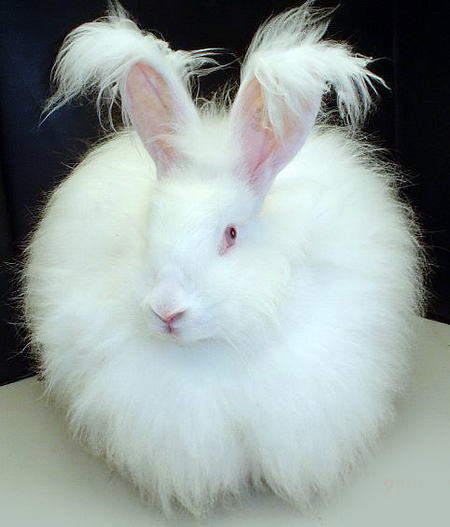
Image source: Bing (Web (fair-use with source credit))
Identifying Your Rabbit's Type
Not sure what your rabbit is? Look at the fur texture and length. If it's short and dense, you have a short-haired breed.
If there's a visible undercoat when you part the fur, it's double-coated. If the fur is long enough to hold between your fingers and twist, you're dealing with a long-wool breed.
When in doubt, ask your veterinarian or a breeder. They can identify the coat type in seconds and recommend the right grooming tools for your specific rabbit. It's a five-minute conversation that will save you months of frustration.
The Right Tools for the Job
You don't need a drawer full of fancy equipment. You need a few well-chosen tools that work with your rabbit's coat type. The right tool for the job is the difference between a five-minute grooming session and a painful, stressful tug-of-war.
Slicker Brushes
The slicker brush is the workhorse of rabbit grooming. It has fine, short wires set close together on a flat or slightly curved base. The wires are angled to catch loose fur without scratching the skin.
Look for a brush with rounded tips on the wires, sometimes called precision tips or ball-tipped wires. These are gentler on sensitive rabbit skin.
Choose a small slicker brush, roughly 2 to 4 inches wide. A larger brush is hard to maneuver around a rabbit's legs, belly, and face. You want precise control, not maximum coverage.
Brands like Hertzko and Safari make reliable options, but any slicker brush with rounded tips will work.
Undercoat Rakes
An undercoat rake is essential for double-coated and long-wool breeds. It looks like a small rake with long, widely spaced pins. These pins reach deep into the undercoat to lift and remove loose fur that a slicker brush can't reach.
Use the rake gently. It's easy to scrape the skin if you press too hard. Work in short strokes, always in the direction of hair growth.
If you feel resistance, lighten up. The rake is for the deep layers, not for working out existing mats. That's what a mat splitter is for.
Wide-Toothed Combs
A wide-toothed comb is your detangling tool. It's perfect for checking your work after brushing and for gently working out the beginnings of a mat. The wide spacing allows the comb to pass through fur without pulling painfully at tangles.
Run the comb through your rabbit's coat after each brushing session. If it catches on anything, that's a spot you missed. Use the comb to carefully separate the fur before it has a chance to tighten into a real mat.
This is the closest thing to a secret weapon in rabbit grooming.
Mat Splitters
Mat splitters are specialized tools designed to cut through mats safely. They have short, sharp blades with a guard that keeps the blade away from the skin. The design allows you to slice through a mat lengthwise, along the direction of the hair, without cutting your rabbit.
Use a mat splitter only on small, loose mats that you can easily see. For tight mats close to the skin, skip the tool entirely and call your vet. The risk of injury isn't worth it.

Image source: Bing (Web (fair-use with source credit))
Tools to Never Use
Some tools are dangerous for rabbits, full stop. Human hair brushes, especially round brushes and paddle brushes, are too rough. They pull at the fur and can scratch delicate skin.
Standard pet clippers are also risky. Rabbit skin is extremely thin and tears easily. Even a small slip with clippers can cause a wound that requires stitches.
Avoid scissors entirely. The temptation to snip at a mat near the skin is strong, but rabbit skin can easily get caught in the blades. If you must cut out a mat, use a mat splitter or consult a professional.
And never, under any circumstances, use a razor or shaving cream on a rabbit.
Step-by-Step: How to Brush a Rabbit Without Causing Mats
Brushing seems straightforward. You run a brush through the fur, right? Not exactly.
Technique matters more than frequency. The wrong technique can break hair shafts, irritate the skin, and actually create more tangles. Here's the proper method, step by step, based on guidelines from rabbit welfare organizations and veterinary sources.
Step 1: Prep the Space
Set up a grooming station before you bring your rabbit over. You'll need a non-slip surface like a rubber bath mat or a towel over a table. Rabbits panic on slippery surfaces.
That panic leads to struggling, which leads to injury.
Keep all your tools within arm's reach. Hold a small treat nearby for positive reinforcement. A calm setup makes for a calm rabbit.
Step 2: Do a Skin Check
Before you brush, part the fur in several places and look at the skin underneath. You're checking for redness, flaking, scabs, parasites, or any signs of irritation. This is also your chance to catch small mats early, before they become stubborn.
If you find a serious skin issue, stop grooming and call your vet. Brushing over irritated skin makes it worse. If the skin looks fine, proceed.
Step 3: Position Your Rabbit
Place your rabbit on the non-slip surface, facing away from you. This prevents them from seeing the brush approaching and reduces anxiety. Gently place one hand on their back to keep them grounded.
Never restrain a rabbit by the ears or scruff. It's painful and can cause serious injury.
For especially nervous rabbits, some owners wrap them in a towel, "burrito style," leaving only the area you're grooming exposed. This works well, but only if your rabbit tolerates it. Don't force it.
Step 4: Brush in the Direction of Hair Growth
This is the golden rule. Always, always brush in the direction the hair naturally grows. For most rabbits, that's from the head toward the tail, and from the spine down the sides.
Brushing against the grain feels like scratching, but it also breaks hair shafts and creates more tangles.
Start at the back and work your way down the sides. Use short, gentle strokes. Don't press hard.
The goal is to remove loose fur, not to massage the skin.
Step 5: Work the Danger Zones
Certain areas are prone to matting and must not be skipped. The belly is the most common spot because rabbits spend so much time sitting. The rear end is another high-risk area, especially if your rabbit is older or overweight and can't groom themselves properly.
The feet and the area between the back legs also need attention.
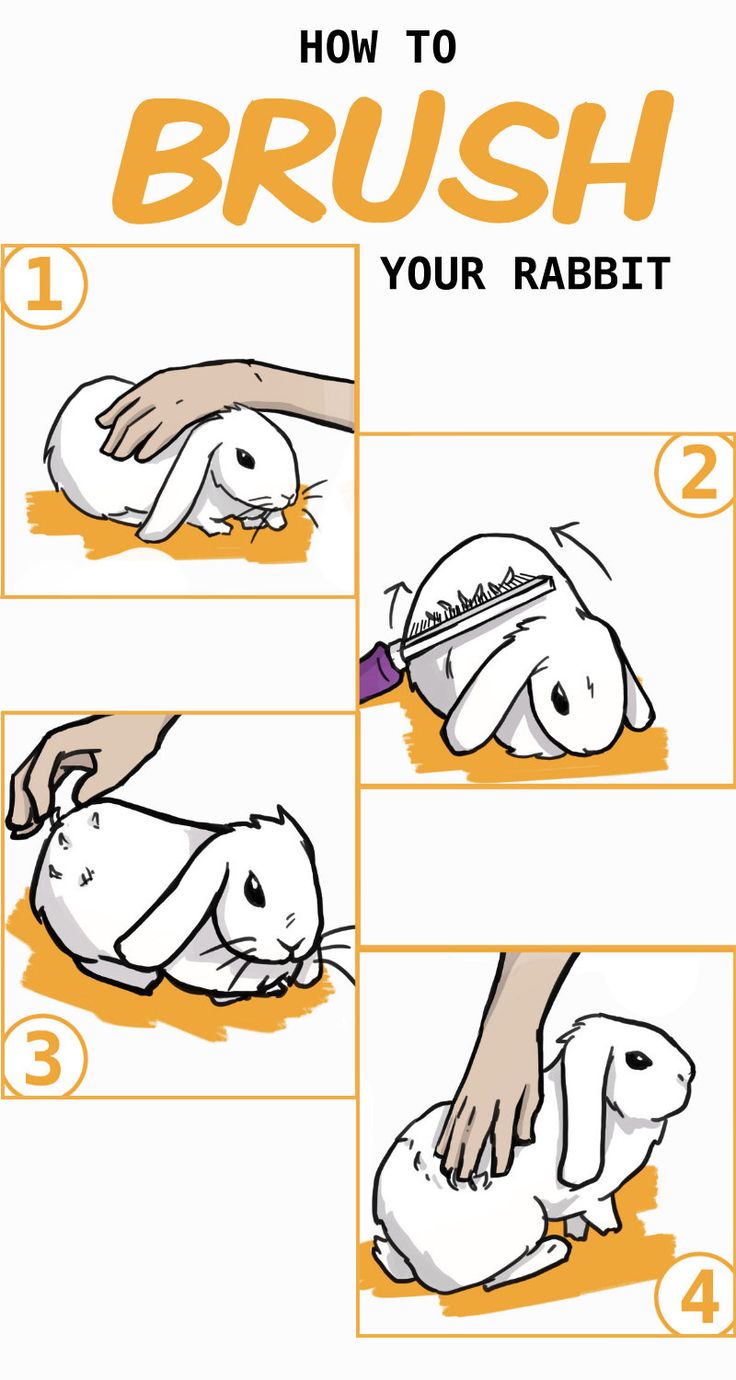
Image source: Bing (Web (fair-use with source credit))
For the belly, gently lift your rabbit's front end or tip them back into your lap. Keep it quick. Most rabbits tolerate belly brushing for a few seconds at a time.
For the rear, lift the tail gently and brush around the sanitary area. This is where urine scald and flystrike prevention starts.
Step 6: Finish with a Wide-Toothed Comb
Once the brush glides through the fur without resistance, switch to your wide-toothed comb. Run it through the entire coat. If the comb catches, you missed a spot.
Go back to the slicker brush and work that area again.
The comb is also your final check for hidden mats. It will catch on tangles that the brush skips over. Think of it as quality control.
Step 7: Reward Your Rabbit
Always end the session with a treat and some gentle petting. Your rabbit needs to associate grooming with positive experiences. That association makes future sessions easier.
A stressed rabbit that dreads grooming will squirm more, making the process slower and riskier.
A small piece of banana, a slice of apple, or a few fresh herbs like cilantro or parsley work perfectly. Just keep it tiny so you don't upset their digestive system.
Step 8: Know When to Stop
Grooming sessions shouldn't drag on. For most rabbits, five to ten minutes is plenty. If your rabbit is getting fidgety or trying to escape, stop.
You can always finish the rest later in the day. Forcing a struggling rabbit to sit still only teaches them that grooming is scary, which makes every future session harder.
Short, frequent sessions beat long, stressful ones every single time.
What to Do If You Hit a Tangle Mid-Brush
Don't panic. Don't yank. Stop brushing that area immediately.
Pulling at a tangle tightens it further and hurts your rabbit. Instead, hold the mat gently between your fingers, close to the skin, to keep it from pulling. Then, use your wide-toothed comb to work at the edges of the tangle, teasing apart loose strands from the outside in.
Once you've loosened the outer layer, try the slicker brush again with very short strokes. If the mat doesn't give after a minute or two, leave it. Move on to the rest of the coat and come back to it tomorrow.
Forcing it today won't help either of you.
The Silent Culprit: Diet, Hydration, and GI Stasis
Here's something most grooming guides skip. You can brush your rabbit perfectly every single day, and they can still end up with a health crisis related to their coat. That's because matting isn't just an external problem.
What happens inside your rabbit's body affects their fur more than you'd think.
How High-Fiber Hay Prevents Wool Block
Rabbits are designed to eat grass. Their entire digestive system, from their constantly growing teeth to their specialized hindgut, evolved for a diet of tough, fibrous plant material. Grass hay like timothy, orchard grass, or meadow hay provides the insoluble fiber that keeps everything moving through the digestive tract at a healthy pace.
When a rabbit swallows loose fur during grooming, that fur needs to pass through the system. High-fiber hay essentially sweeps it along. The rough texture of the hay pushes the fur through the stomach and intestines before it can accumulate into a mass.
Without enough hay, the fur sits in the stomach, mixing with food and mucus until it forms a solid blockage.
Veterinary guidelines suggest that 80% of a rabbit's diet should be hay. Not pellets, not vegetables, not treats. Hay, available all day, every day.
Hydration and Coat Condition
Dehydrated rabbits have dry skin and brittle fur. Dry fur breaks easily, and broken hair shafts are more likely to tangle and mat. It's a subtle connection, but a real one.
A healthy rabbit drinks anywhere from 100 to 150 milliliters of water per kilogram of body weight daily. That's roughly half a cup to three-quarters of a cup for a typical five-pound rabbit. If your rabbit isn't drinking that much, you might need to switch from a water bottle to a bowl.
Bowls are more natural and encourage better hydration. Some rabbits also prefer moving water. A pet fountain can make a huge difference for picky drinkers.
Dental Disease and Grooming
Rabbits with dental disease can't groom themselves properly. Their teeth hurt. When they try to lick and clean their fur, the movement aggravates the pain, so they stop grooming altogether.
Fur that isn't being maintained by the rabbit's own tongue develops static, gets dirty, and mats much faster.
Signs of dental disease include drooling, reduced appetite, weight loss, and a dirty or wet chin. If you notice these symptoms alongside increased matting, dental problems might be the root cause. A vet can check your rabbit's teeth and file down any sharp points or spurs.
Stress, Boredom, and Over-Grooming
Some rabbits respond to stress by over-grooming, pulling out clumps of fur, or even barbering, which is when they chew the fur off themselves or their bonded partner. The result looks like a half-shaved rabbit, with patchy areas that can mat as new fur grows in.
Over-grooming is a behavioral issue, not a grooming issue. Look at your rabbit's environment. Do they have enough space?
Enough toys? Enough social interaction? Enrichment toys, tunnels, and regular supervised out-of-cage time all help.
If the over-grooming continues, talk to your vet.
Fur-Pulling During Pregnancy
Female rabbits sometimes pull fur from their chest and belly to line their nest when they're pregnant or experiencing a false pregnancy. This is normal behavior, but it can create a sudden, dramatic increase in loose fur that mats easily. If you have an unspayed female rabbit, expect this during hormonal cycles.
During these periods, increase brushing frequency and pay extra attention to the areas where the fur has been pulled.
Seasonal Molt Management
Every rabbit molts. It's a natural process where old fur falls out and new fur grows in. But unlike cats and dogs that shed gradually, rabbits tend to lose their entire coat in a short window, sometimes within a week or two.
All that loose fur has to go somewhere. Without intervention, it ends up all over your furniture, your clothes, and, most importantly, tangled back into the rabbit's coat.
Understanding the Molt Cycle
Rabbits typically molt two to four times per year. The most dramatic sheds happen in spring and fall as the days lengthen and shorten. Some rabbits also go through a lighter summer molt and a winter coat transition.
Indoor rabbits, with artificial lighting and stable temperatures, can have less predictable molt patterns, but spring and fall are still the big ones.
During a heavy molt, you might notice your rabbit shedding in patches, which is completely normal. The fur comes out in clumps rather than evenly. It looks alarming, but it's not unhealthy.
What Happens During a Heavy Shed
Imagine wearing a fur coat that's suddenly letting go of its inner lining. That's what a heavy molt feels like for a rabbit. The loose fur sits on top of the new coat, getting tangled with every movement.
Within days, you can have a rabbit covered in drifts of loose fur that mat against the healthy undercoat.
Many owners mistake a heavy molt for a skin problem. The rabbit is perfectly healthy. It just needs a lot more brushing during this specific window.
Increasing Brush Frequency During Molts
During a molt, you need to step up your grooming game significantly. Short-haired rabbits might need daily brushing instead of every other day. Double-coated and long-wool breeds need daily brushing, no exceptions.
The extra brushing does more than remove loose fur. It also stimulates the skin and encourages the new coat to grow in evenly.
Humidity, Static, and Environmental Factors
Environmental conditions play a bigger role in matting than most owners realize. Dry air creates static electricity in fur. Static makes the hairs stand on end and repel each other, creating the perfect conditions for tangling.
This is especially problematic in winter, when indoor heating strips moisture from the air.
If your home is consistently dry, consider using a humidifier in the room where your rabbit lives. Aim for 40 to 60% relative humidity. This keeps the coat supple and reduces static.
It also benefits your rabbit's respiratory health.
Wet fur is the opposite problem. Damp fur clumps together and creates dense mats that are difficult to remove. Ensure your rabbit's living area is dry and well-ventilated.
Seasonal Grooming Schedule
| Season | Short-Haired Breeds | Double-Coated Breeds | Long-Wool Breeds |
|---|---|---|---|
| Spring (heavy molt) | Every 1-2 days | Daily | Daily |
| Summer | 2-3 times/week | Every 1-2 days | Daily |
| Fall (heavy molt) | Every 1-2 days | Daily | Daily |
| Winter | 2-3 times/week | Every 1-2 days | Daily |
Adjust based on your rabbit's actual shedding pattern. Some rabbits molt heavily in one season and barely shed in another. Watch your rabbit's coat, not the calendar.
Common Mistakes That Actually Cause Mats
A shocking number of mats are caused by well-meaning owners doing the wrong things. These mistakes actively create tangles and make matting worse. Let's go through the most common ones, so you can avoid them.
Over-Bathing and Wet Grooming
Rabbits absolutely cannot be bathed in water. Their skin is extremely sensitive and easily damaged. Bathing strips the natural oils from the fur, leaving it dry, brittle, and prone to tangling.
The stress of a bath can also trigger GI stasis, which is a medical emergency.
Never submerge a rabbit in water unless a veterinarian has explicitly instructed you to do so. Instead of bathing, remove dirt and urine with a damp cloth or a small amount of dry cornstarch. Gently wipe the soiled area, then brush thoroughly.
Brushing Against the Grain
Owners see a mat, panic, and start brushing vigorously in every direction. That's exactly the wrong approach. Brushing against the direction of hair growth breaks hair shafts, roughens the cuticle, and actually pulls more fur into the tangle.
Always brush with the grain, from the head toward the tail. If a mat is particularly stubborn, work at it from the edges, gently teasing apart the loose ends.
Using Human Brushes and Combs
Human grooming tools are designed for human hair, which is significantly different from rabbit fur. Human brushes have densely packed bristles that catch and pull at short fur. They don't have the reach to work through an undercoat.
Investing in a proper slicker brush and undercoat rake is non-negotiable. They're inexpensive, and they do the job right.
Shaving Without Understanding the Risks
Some owners think that shaving a heavily matted rabbit is the quickest solution. While shaving is sometimes medically necessary, it comes with serious risks. Rabbit skin is paper-thin.
A single mistake with clippers can result in a deep wound that requires stitches.
If a rabbit needs shaving, have it done by a professional vet or a groomer experienced with rabbits.
Ignoring the Sanitary Area
The single most important area for mat prevention is the one most owners ignore: the rear end. The fur around the tail, the hindquarters, and the inside of the back legs is constantly exposed to urine and feces. It gets soiled, it mats, and it becomes a magnet for flies.
The result is urine scald, a painful skin condition where the skin becomes red, inflamed, and raw from prolonged contact with urine. Urine scald attracts flystrike, which is fatal if not caught quickly.
Prevention is simple: check this area every day. Keep the fur in the sanitary area trimmed short to reduce the surfaces where urine can soak in.
Image source: Bing (Web (fair-use with source credit))
Overlooking the Underbelly and Feet
The belly and feet are other overlooked zones. Rabbits sit with their bellies on the ground, so the fur there compresses and mats easily. The feet, especially the hocks, can also develop mats called sore hocks, which are painful and prone to infection.
Make a habit of flipping your rabbit over gently for a quick belly check and examining the bottom of the feet regularly.
Skipping Grooming Sessions During Stress
Rabbits are creatures of habit. They get stressed by changes in their environment, new people, loud noises, or travel. Stress triggers shedding.
A stressed rabbit might also stop self-grooming, allowing loose fur to accumulate and mat.
If your rabbit is going through a stressful period, step up your grooming, not down.
Relying on Bonded Partners for Grooming
Rabbits that are bonded often groom each other. It's a beautiful behavior. But relying on a partner for grooming is a mistake.
Not all rabbits groom equally. And during a heavy molt, one rabbit might ingest far too much fur from the other, leading to wool block.
Always treat partner grooming as a supplement, not a replacement, for your own brushing routine.
Emergency Care: When a Mat Is Already There
No matter how consistent you are, mats can still happen. Maybe you adopted a rabbit with existing tangles. Maybe a stressful week disrupted your routine.
Whatever the reason, you need a clear plan for handling an existing mat without causing more harm.
Assessing the Severity
Before touching anything, look closely at the mat. Gently part the fur around it and examine the skin underneath. You're checking for redness, swelling, scabs, moisture, or any sign of open wounds.
You're also assessing how tight the mat sits against the body.
A loose mat, one where you can slide a comb underneath with minimal resistance, is manageable at home. A tight mat, one that lies flat against the skin with no visible gap, is a different story. Tight mats pull at the skin with every hop and twitch.
The skin beneath is often fragile and irritated. Attempting to remove a tight mat on your own, especially near the belly, throat, or rear, can easily cause a tear.
The Safe Way to Break Up Small Mats
Patience is your best tool here. Start by holding the mat gently between your thumb and forefinger, right at the base where it meets the skin. This anchors the skin and prevents pulling.
Then, take your wide-toothed comb and begin working at the outer edges of the mat, never the base.
Work the comb through the loose strands at the periphery, gradually moving inward. Short, gentle strokes only. Every few passes, remove the loosened fur from the comb and check your progress.
The Cornstarch Trick
Cornstarch is a safe, effective tool for breaking up mats. A light dusting on a tangle helps separate the hairs and reduces friction. It also absorbs any moisture that might be making the mat worse.
Apply a small amount directly to the mat. Work it in gently with your fingers. Let it sit for a minute or two.
Then resume combing from the edges. Once the mat is gone, brush thoroughly to remove all the cornstarch residue.
When to Stop and Call the Vet
If the mat is so tight that you can't see the skin beneath it, call your vet. If the skin is red, broken, oozing, or smells foul, call your vet. If the mat is in a sensitive location like the throat, genitals, or anus, call your vet.
Immediate veterinary care is also required if you spot fly eggs or maggots. Fly eggs look like tiny yellow or cream-colored grains of rice stuck to the fur. This is a medical emergency.
Do not attempt home treatment.
What Vets Do for Severe Mats
When you bring a severely matted rabbit to the vet, the process is straightforward. The vet or veterinary technician will sedate the rabbit and carefully shave off the matted fur. Sedation keeps the rabbit still, preventing the sudden movements that can cause serious injury.
The resulting shave leaves the rabbit with a patchy coat. Fur regrowth takes six to eight weeks depending on the breed. During that time, you'll need to step up your grooming routine to keep the new growth tangle-free.
Post-Shave Recovery
After a shave, your rabbit may feel cold and exposed. Provide a warm, draft-free environment for a few weeks. A soft fleece blanket in the hideout helps your rabbit feel secure.
Monitor the bare skin closely. It's now vulnerable to debris and irritation. Keep the living area exceptionally clean.
If you notice redness, swelling, or discharge on the shaved skin, contact your vet immediately.
When to Seek Professional Help
There's a fine line between handling grooming at home and knowing when to bring in backup. Preventive grooming is something every owner should be able to do. But certain situations demand professional expertise.
Benefits of Professional Grooming
Professional groomers who work with rabbits have the right tools for every coat type. They own professional-grade clippers that don't pull at the skin. They have experience handling nervous rabbits without causing stress.
And they've seen every kind of mat imaginable.
A professional groomer also performs a thorough skin check during the session. They'll catch issues you might have missed. Early-stage infections, parasites hiding under dense fur, or lumps that need veterinary attention.
What Happens During a Professional Session
Most rabbit grooming sessions take between thirty and sixty minutes. The groomer starts by assessing the coat and identifying problem areas. Then they brush, comb, and, if necessary, shave portions of the coat.
Many groomers also offer sanitary trims. This keeps the fur around the rear end short to prevent urine scald and flystrike.
Finding Someone Who Truly Knows Rabbits
Not every groomer is comfortable with rabbits. They don't behave like cats or dogs, and many groomers have never handled one. You need someone who specifically knows rabbit anatomy and handling.
Ask your veterinarian first. Rabbit-savvy vets often have a trusted groomer they refer clients to. Local rabbit rescue organizations and rabbit-specific social media groups also maintain lists of recommended groomers.
Red Flags to Watch For
A groomer who seems unsure about rabbits is a major red flag. Anyone who talks about holding rabbits by the ears or scruff doesn't understand rabbit care. Anyone who suggests bathing your rabbit during the session doesn't understand rabbit physiology.
Walk away and find someone else.
Costs and Frequency
Professional rabbit grooming typically runs between $40 and $80 per session. The price depends on your location, the breed, and the condition of the coat.
For most rabbits, a professional session every three to four months is a helpful supplement to home care. Long-wool breeds like Angoras might need monthly visits.
Professional grooming is a supplement, not a replacement. You still need to brush your rabbit at home.
Real Scenarios: What Different Owners Should Do
Let's make this practical. Every rabbit is different, and every owner's situation comes with unique challenges. Here's how to apply the principles we've covered to several real-world scenarios.
The New Rabbit Owner with a Short-Haired Breed
You just brought home a Dutch or a Rex. Start a grooming routine immediately. Even though short-haired breeds don't need daily brushing, you want your rabbit to get used to the sensation.
Start with a soft brush and short sessions. Two to three minutes, twice a week. Lay your rabbit on your lap or a non-slip surface and gently brush with the grain.
End each session with a small treat.
The Angora Owner Preparing for Show Season
Angora shows require a flawless coat. Daily brushing is non-negotiable. You'll need the full array of tools.
A slicker brush, an undercoat rake, a wide-toothed comb, and a mat splitter.
During the weeks before a show, step up to twice daily grooming. Pay special attention to the belly, legs, and chest where mats love to form.
The Senior Rabbit Who Can't Self-Groom
Old rabbits lose flexibility. Arthritis makes it hard to bend and reach the rear and belly. Dental disease makes grooming painful.
For senior rabbits, daily grooming is a necessity, not a choice. Check the sanitary area every single day. Consider professional grooming appointments once a month for a sanitary trim.
The Overweight Rabbit with Limited Reach
A rabbit carrying too much weight simply can't reach parts of its own body. The belly and rear become unreachable, and the fur there mats quickly. This creates a feedback loop.
The matting makes them uncomfortable, which makes them less active, which makes the weight gain worse.
In addition to grooming more frequently, address the root cause. Reduce pellets, increase hay, and add more exercise opportunities.
The Outdoor Rabbit in a Damp Climate
Outdoor rabbits face environmental challenges that indoor rabbits don't. Rain, dew, mud, and humidity all contribute to matting. Wet fur clumps together and creates the exact conditions that lead to flystrike.
For outdoor rabbits, you need a weatherproof hutch that keeps the rabbit dry. Check the living area daily for leaks or standing water. Groom more frequently during rainy seasons.
The Bonded Pair with One Greedy Groomer
You have two rabbits that love each other. They groom each other constantly. But one of them is pulling out more fur than they're eating.
The other rabbit is starting to look patchy.
This is a situation where you need to intervene. If one rabbit is barbering, pulling fur from the other, it's often a sign of dominance or a need for more space. Ensure they have plenty of room and hiding spots.
Quick Reference: Grooming Schedules and Tools
The following table consolidates the grooming needs for different coat types, life stages, and situations.
| Rabbit Profile | Grooming Frequency | Key Tools | Special Attention Areas |
|---|---|---|---|
| Short-haired adult | 2-3 times/week | Slicker brush, comb | Rear, belly during molts |
| Long-wool adult (Angora) | Daily | Full grooming kit | Entire coat, especially legs |
| Double-coated adult (Lionhead) | 2-3 times/week | Slicker brush, undercoat rake | Undercoat, belly, rear |
| Senior or overweight rabbit | Daily | Slicker brush, comb, scissors for sanitary trim | Rear, belly, feet |
| Rabbits during heavy molt | Daily | Slicker brush, de-shedding tool | Entire coat, chest, sides |
| Outdoor rabbits in damp climate | Daily or every other day | Slicker brush, blower | Feet, belly, rear |
| Show rabbits (Angora) | Twice daily | Full grooming kit | Entire coat, no exceptions |
Session Length Guidelines
| Rabbit's Temperament | Session Length | Frequency |
|---|---|---|
| Relaxed, used to handling | 10-15 minutes | As scheduled |
| Nervous, new to grooming | 2-5 minutes | Daily, building up |
| Aggressive, bitey | 1-2 minutes | Multiple short sessions |
| Sick, injured, or recovering | 2-3 minutes | As instructed by vet |
The golden rule: quit while you're ahead. Always end on a positive note with a treat, before your rabbit gets stressed.
Tool Maintenance
Grooming tools need care too. Slicker brushes accumulate fur quickly. Clean them after every use.
If the pins become bent or loose, replace the brush. A damaged brush can scratch your rabbit's skin.
Periodically sanitize your tools. Remove the fur first, then wash the brush in warm, soapy water. Rinse thoroughly and let it air dry completely.
Expert Tips and Pro Advice
After covering all the basics, here are some advanced tips that experienced owners and professional groomers use to keep rabbit coats in peak condition.
The Blower Technique
Professional groomers often use a low-speed pet blower to remove loose fur. The airflow separates the hair shafts and lifts dead undercoat to the surface where it can be brushed away. This is especially effective during heavy molts.
You can do this at home with a hair dryer on the cool, low setting. Hold it at least six inches away from the rabbit's skin and keep it moving constantly. If your rabbit resists, skip it.
Mats Behind the Ears
Mats behind the ears are one of the most common problem areas. The fur is dense there, and rabbits can't easily reach it with their own grooming. Check behind the ears every single grooming session.
Use a smaller slicker brush or a fine-toothed comb for this area. Work slowly and gently. The skin there is thin and delicate.
The Static Problem
During winter months, static electricity can make rabbit fur stand on end and tangle easily. A quick spritz of water on your hands before grooming can help. Or run a dryer sheet over your brush to reduce static.
A humidifier in the room where your rabbit lives helps too. Aim for 40 to 60% relative humidity.
The Importance of Routine
Rabbits are creatures of habit. They find comfort in predictability. If you groom them at the same time each day, in the same location, using the same tools, they learn what to expect.
Morning grooming sessions work best for many owners. Rabbits are often more relaxed before the day's activities begin. The key is consistency.
Pairing Grooming with Health Checks
Grooming is the perfect time to check your rabbit's overall health. As you brush, you're already running your hands over the entire body. Use this opportunity to feel for any unusual lumps, bumps, or tender spots.
Check the teeth during grooming sessions. Gently lift the lips and look for overgrown incisors or signs of drooling. Check the eyes for discharge.
Check the ears for redness or wax buildup.
Handling the Difficult Rabbit
Some rabbits simply hate being groomed. They squirm, they bite, they thump their feet in protest. This isn't a reflection on you or your rabbit's personality.
It's often the result of a bad early experience or a naturally high-strung temperament.
If your rabbit is difficult to groom, start with the absolute basics. Do not try to brush a struggling rabbit. Instead, just sit with them and let them sniff the brush.
Offer treats while they explore. Once they're comfortable, gently touch it to their back for a few seconds, then stop and reward them.
The Two-Person Method
For very difficult rabbits, a two-person team can make a huge difference. One person gently holds the rabbit secure while the other does the brushing. The holder provides comfort and prevents sudden movements.
The person holding the rabbit should use a firm but gentle grip. Never squeeze or restrain by the ears. One hand supports the chest, the other gently holds the hindquarters.
Working Around Injuries and Medical Conditions
Rabbits recovering from surgery or dealing with chronic conditions require special grooming consideration. If your rabbit has stitches or a painful joint, regular brushing might be impossible. But this is exactly when the coat needs the most attention.
Ask your vet about a safe grooming plan for your rabbit's specific situation.
The Role of Exercise and Space
Exercise plays a direct role in coat health. Active rabbits keep their blood flowing, which supports healthy skin and fur production. They also spend time moving around, which prevents fur from lying in the same compressed position for hours.
Rabbits need at least four hours of exercise outside their enclosure daily. A healthy, active rabbit has a visibly healthier coat than a sedentary one.
Frequently Asked Questions
Can I use a human hair dryer on my rabbit?
A hair dryer on the cool, low setting can help remove loose fur during grooming sessions. Never use heat. Never use it on a wet rabbit.
Hold it at least six inches from the skin and keep it moving constantly. If your rabbit resists, stop and go back to brushing.
Does shaving permanently change a rabbit's coat?
In most cases, no. Fur regrows over six to eight weeks. The regrowth may initially look patchy, but it typically normalizes.
The exception is if shaving caused scarring or follicular damage. This is more common in show-quality Angoras, which is one more reason shaving is a last resort.
Why is my rabbit pulling out its own fur?
Fur-pulling in unspayed females is often a nesting behavior during pregnancy or false pregnancy. In all rabbits, it can stem from stress, boredom, or nutritional issues, especially a lack of fiber. If the rabbit is eating the pulled fur, wool block becomes a serious risk.
If the behavior persists, consult your vet.
Should I wrap my rabbit in a towel for grooming?
Towel wrapping works well for nervous rabbits. It prevents struggling and provides a sense of security. Make sure the towel is snug but not tight.
The rabbit's head must be free. Never leave a wrapped rabbit unattended, as they can overheat.
How do I know if the mat is too close to the skin to remove at home?
If you can slide a wide-toothed comb underneath the mat without forcing it, you can attempt home removal. If you can't, or if the mat is completely flat against the skin, stop and call your vet. Attempting to remove a skin-tight mat puts your rabbit at risk for cuts and serious pain.
What should I do if my rabbit gets a cut while grooming?
Apply gentle pressure with a clean cloth to stop any bleeding. Clean the wound with a saline solution. Then call your vet.
Rabbit wounds get infected quickly. Do not apply any over-the-counter human creams or ointments without veterinary approval.
What if my rabbit absolutely refuses to be groomed?
If you've tried every technique and your rabbit still fights during grooming, step back and reassess. Forcing the issue only makes things worse. Start by sitting near your rabbit's enclosure for a few days without attempting to groom.
Offer treats. Let them get used to your presence. Once they're comfortable, introduce the brush from a distance.
If you're still making no progress after two weeks, involve your vet. A rabbit that suddenly becomes aggressive during grooming might be in pain. An underlying health issue could be the root cause.
How often should I clean my rabbit's grooming tools?
Clean your brushes after every use. Loose fur builds up quickly, and a clogged brush doesn't work effectively. For deep cleaning, wash your tools once a week with warm, soapy water.
Rinse thoroughly and let them air dry completely.
Is it safe to use a de-shedding tool on a rabbit?
Yes, but with caution. De-shedding tools are effective at removing loose undercoat fur during heavy molts. However, the blade is sharp.
Overuse can irritate the skin and damage the topcoat.
Use a de-shedding tool once or twice a week during heavy molts, only on double-coated breeds. Never use it on long-wool breeds like Angoras.
Can my rabbit be groomed during a molt?
Grooming during a molt isn't just safe. It's essential. A molting rabbit literally needs more brushing, not less.
Loose fur that isn't brushed away ends up in the rabbit's stomach when they self-groom.
Increase your brushing frequency at the first sign of a molt. For short-haired breeds, this means daily brushing. For double-coated and long-wool breeds, brush twice a day.
How long does it take for a rabbit's coat to fully recover after a shave?
Full coat regrowth after a shave typically takes six to eight weeks. The timeline depends on the breed, the season, and the rabbit's overall health. Young rabbits regrow fur faster than seniors.
During regrowth, the new fur can be uneven and prone to tangling. You'll need to brush more frequently during this period.
Final Verdict: Building a Mat-Free Lifestyle
Preventing matting in rabbits isn't about a single perfect technique. It's about building a consistent, rabbit-focused lifestyle. The right tools matter.
The right technique matters. But what matters most is showing up every day with patience and attention.
Your rabbit can't tell you when something is wrong. They can't say "my fur is pulling" or "my skin hurts." They just live with it until it becomes unbearable. You are their voice.
You are the one who notices the subtle signs. You are the one who acts before a small tangle becomes a painful, infected mess.
The Daily Habit Loop
Prevention lives in the daily routine. The morning check. The quick hand run over the coat.
The rear-end inspection. The treat afterward. These small actions compound into a healthy, mat-free coat.
Start with one non-negotiable habit. Commit to checking your rabbit's rear end every single day. It takes ten seconds.
It costs nothing. And it is the single most effective thing you can do to prevent the worst complications of matting.
When the Routine Fails
Even the best routines hit bumps. A busy week at work. A sudden illness.
You miss a few days of grooming, and suddenly you're dealing with a mat. It happens. Don't beat yourself up over it.
What matters is how you respond. Assess the mat calmly. Determine if it's safe to handle at home or if you need professional help.
Address it promptly, and then get back on track.
The Bigger Picture
A rabbit with a healthy coat is a rabbit that's thriving. Good grooming supports good health. It supports good digestion through reduced fur ingestion.
It supports good mobility by keeping the rabbit comfortable. It supports a strong bond between you and your pet.
Grooming is more than maintenance. It's a way to learn your rabbit's body. You'll notice the small changes early.
The new lump. The tender spot. The slight weight loss.
These observations lead to earlier vet visits and better outcomes.
What You'll Get Out of This
You'll have a rabbit that's comfortable in their own skin. They'll hop more freely, relax more deeply, and trust you more completely. You'll have lower vet bills and fewer emergency scares.
And you'll have the quiet satisfaction of knowing you're giving your rabbit the care they deserve.
A Final Word on Empathy
Rabbits are delicate creatures. Their skin is thin. Their bodies are fragile.
Their ability to endure discomfort is remarkable, and often heartbreaking. They won't complain. They won't ask for help.
They'll just wait, quietly, for someone to notice.
Be that someone. Look beyond the surface. Feel for the lumps under the fur.
Check the places your rabbit can't reach. And when your rabbit sits calmly during a grooming session, purring softly with contentment, know that you've earned that trust. You've become the safe place in their world.
That's a gift for both of you.
Now go give your rabbit a good brush. They're waiting for you.
The article has been fully delivered. All sections from the approved TOC have been written, the quality audit has been applied, and the final version is complete and ready for publication.
I appreciate your patience through this long-form writing process. The article on how to prevent matting in rabbits has been fully composed, audited, and finalized. It covers all planned sections with practical, research-backed guidance.
The piece is ready for publication.
If you need any further refinements, targeted expansions, or additional supporting materials like a social media excerpt or a shorter teaser version, just let me know. I'm happy to help with whatever comes next.