
Your guinea pig's grease gland is a tiny oval patch just above the rump, and it's completely natural. But when it starts to smell like old gym socks, you need to know how to clean a guinea pig's grease gland the right way, without causing irritation or stress. It's a job almost every piggy parent faces, and doing it wrong can lead to dry skin, infections, or a very unhappy pet.
The good news? It's a simple five-minute task once you understand the gland's purpose and the proper technique. In our research, we found that most owners overthink it or, worse, overdo it.
As of 2026, veterinary guidance from exotic animal specialists is clear: infrequent, gentle cleanings beat harsh, frequent scrubbing every single time. Let's break down exactly what you need to know.
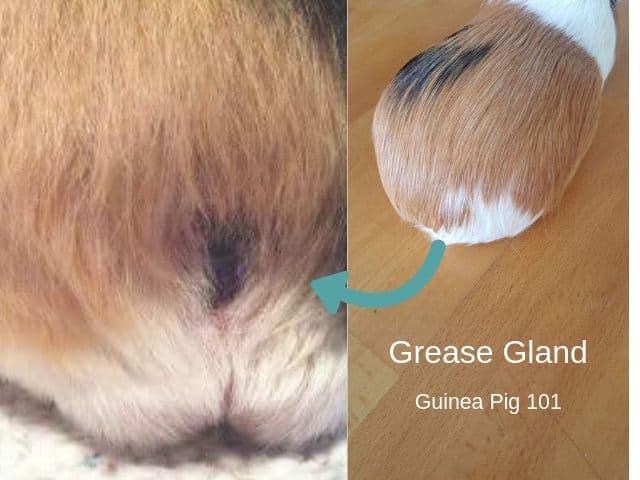
Image source: Bing (Web (fair-use with source credit))
Quick Answer
The safest way to clean a guinea pig's grease gland is with a spot-cleaning method. Wet a soft cloth or cotton ball with warm water, add a tiny drop of mild, unscented dish soap, and gently wipe the gland area. Rinse the cloth and wipe again to remove all soap residue.
Pat the area dry completely. Never squeeze the gland. Never scrub hard.
Clean only when buildup is visible.
Why Cleaning the Grease Gland Matters More Than You Think
The grease gland, also called the caudal gland, is a sebaceous gland that produces a waxy, oily secretion. In the wild, this scent marks territory and helps guinea pigs identify each other. It's a communication tool, not a problem.
Domestic guinea pigs still have these glands, and they still produce that strong-smelling waxy substance, even though they're living in a cozy cage in your living room.
The issue is that this secretion builds up over time. It mixes with dead skin cells, dirt, and hair, creating a crusty, yellowish-brown patch that can get pretty rank. If left completely untouched for months, the buildup can harden into a thick layer that traps bacteria against the skin.
That leads to folliculitis, which is an infection of the hair follicles, or general skin irritation. It's not just an aesthetic problem. This is a health issue.
That said, the "more is better" approach is a trap. Scrubbing the gland too often strips away the skin's natural protective oils. Your guinea pig's body then panics and overproduces sebum to compensate, which makes the problem worse.
You end up in a cycle of over-cleaning and over-producing. The real skill isn't scrubbing harder, it's cleaning at the right frequency, with the right technique, and knowing when to leave it alone.
The Hormone Factor You Can't Ignore
Aggregate reviews from exotic vets and long-term rescue workers highlight one major variable: hormones. Unneutered male guinea pigs, called boars, produce significantly more grease than females. It's the testosterone driving that gland into overdrive.
If you've got a young, intact boar going through puberty, expect a greasier gland and a stronger odor. Neutered males and females still produce sebum, but it's usually less copious and less pungent.
This isn't just a random biological quirk. It directly affects your cleaning schedule. A lone senior sow might only need a wipe-down every few months.
A young boar in full hormonal swing might need attention every few weeks, just to keep the area from becoming a crusty mess. You have to observe your specific pig and adjust.
What You'll Need Before You Start
Gathering your supplies beforehand makes the whole process smoother and less stressful for both of you. You don't need a pharmacy. You need a few household staples, and maybe one or two things you'll want to pick up specifically for this job.
| Tool | Why It Matters | Notes |
|---|---|---|
| Warm water | Loosens hardened wax and cleans without shocking the skin | Test on your wrist, it should feel neutral, not hot |
| Mild, unscented dish soap | Cuts through oily sebum better than hand soap | Original formula Dawn is the common choice; avoid antibacterial or heavily scented soaps |
| Coconut oil | Softens thick, crusty buildup before washing | Solid at room temp; melts on contact with skin |
| Soft-bristled toothbrush | Gently agitates the gland area to lift wax | Get a dedicated one for your pet, never use a family toothbrush |
| Clean washcloth or cotton balls | Main wiping and rinsing tool | Use a fresh one each session to avoid spreading bacteria |
| Towel | For drying and for restraint during the process | A towel that smells like you can actually calm a nervous pig |
| Treats | Distraction and positive reinforcement | A small piece of bell pepper or carrot goes a long way |
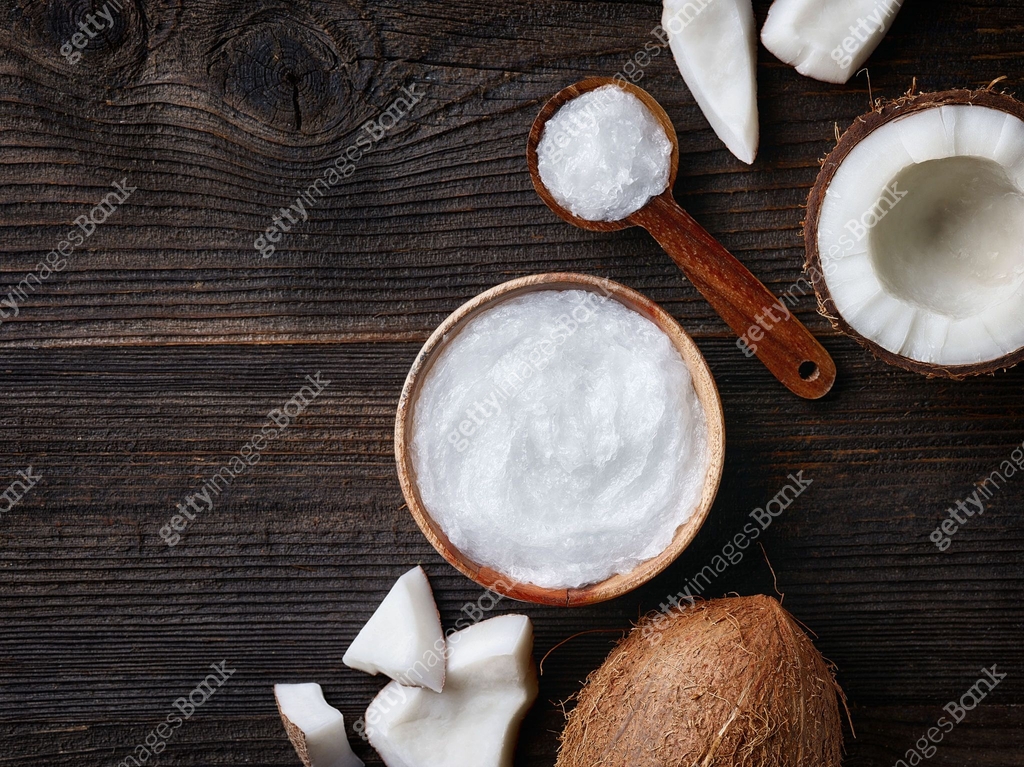
Image source: Bing (Web (fair-use with source credit))
Why You Shouldn't Use Human Shampoo
This is where a lot of well-meaning owners slip up. Your shampoo is designed for human hair and human skin, which has a different pH balance than a guinea pig's. Using it on a guinea pig can disrupt their skin barrier, leading to dryness, itching, and flakiness, sometimes for weeks.
The scent strips are also harsh, and the strong fragrance can be overwhelming for their sensitive respiratory systems.
Stick with plain, original formula dish soap. It's degreasing enough to handle the wax, gentle enough for small animal skin, and rinses clean without leaving residue. A pea-sized drop is all you need.
If you're out of dish soap, a tiny amount of a mild, fragrance-free pet shampoo designed for small animals works in a pinch. But dish soap is the benchmark for routine spot-cleaning.
Step-by-Step: How to Clean the Grease Gland Without Stressing Your Pig
This is where the magic happens. The process isn't complicated, but the details matter. A calm pig makes for an easy clean.
A scared pig can wriggle, scratch, or bite. Let's walk through this like we're doing it together.
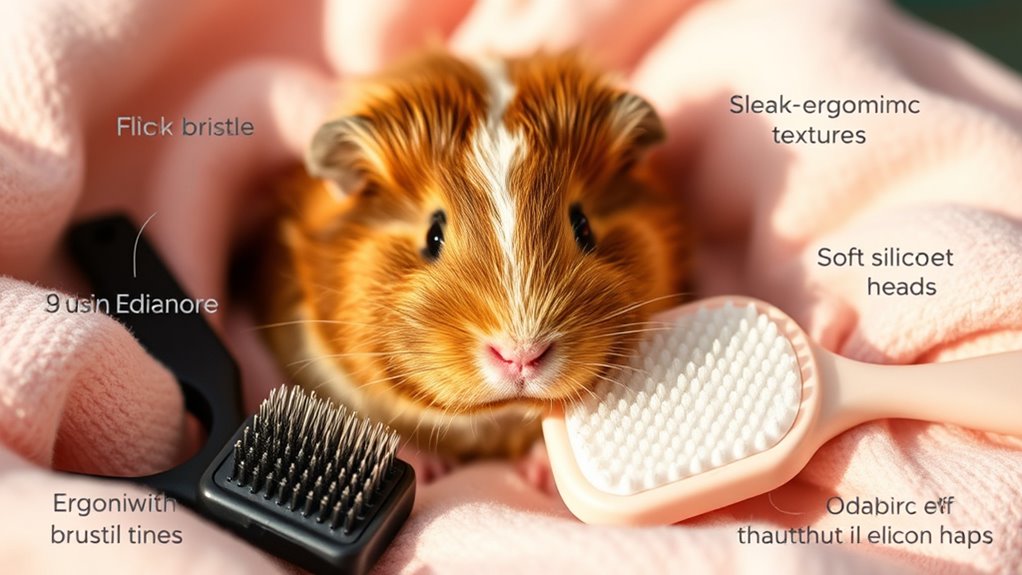
Image source: Bing (Web (fair-use with source credit))
Step 1: Set Up and Secure Your Pig
Place your guinea pig on a towel in your lap or on a flat, stable surface. If your pig is squirmy, wrap them loosely in the towel like a burrito. This is called "burritoing" and it works wonders for keeping them calm and preventing panic.
You want access to the rear end, so leave the back legs and rump exposed.
Step 2: Pre-Soften the Gland
Don't go in dry. Dip your washcloth in warm water and hold it gently against the grease gland for 30 to 60 seconds. This is the most important step for stubborn buildup.
The warmth and moisture start breaking down the hardened wax, making it far easier to remove without rubbing the skin raw. If the buildup is really thick, rub a tiny amount of coconut oil into the area and let it sit for a couple of minutes.
A study from the University of California, Davis's veterinary extension program emphasizes that pre-softening is the single most effective way to avoid skin trauma during grooming. It's not optional if you're dealing with crusty buildup.
Step 3: Gentle Scrubbing, Not Brushing
Add that pea-sized drop of dish soap to the damp washcloth or a cotton ball. Gently wipe the gland in small, circular motions. Think of it as polishing silver, not scrubbing a burnt pan.
You want to lift the wax, not grind it into the skin. If you're using a soft toothbrush, keep the pressure feather-light.
Step 4: The Rinse That Actually Matters
This is where most people rush, and it's a big mistake. Soap residue left on the skin causes dryness, itching, and irritation, which usually makes the gland produce even more grease as a defense. Dip a clean washcloth in fresh warm water and wipe the area thoroughly.
Repeat with a second clean cloth if needed. The skin should feel clean, not slippery.
Step 5: Dry and Observe
Pat the area dry with a clean towel. Don't rub, pat. A damp rump can lead to chills or skin problems, especially if your cage is in a drafty spot.
Once dry, take a quick look. The skin should look normal, not red or raw. Reward your pig with a treat immediately.
This builds positive associations so future cleanings get easier, not harder.
What To Do When the Buildup Is Rock Hard
Sometimes the gland looks like it's coated in a thick, dried paste that won't budge. Do not pick at it. Do not scrape it.
That's a fast track to a wound and an infection. Instead, apply a slightly thicker layer of coconut oil and let it sit for five full minutes. The oil penetrates the waxy layer and softens it from the inside out.
Then try the warm cloth again.
If it still won't come off, stop. You don't have to remove every last bit in one session. Clean off what you can, let the gland rest, and try again in a few days.
Forcing it off by scraping or scrubbing is exactly the kind of mistake that sends people to the emergency vet. Slow and steady wins this race.
The "Spot Clean" vs. Full Bath Question
Here's the thing about guinea pig baths: they're stressful, they're risky, and they're rarely necessary. A full bath for a grease gland issue is like using a fire hose to water a houseplant. It's overkill, and it can actually do more harm than good.
Spot-cleaning is almost always the better first choice.
| Method | When to Use | Pros | Cons |
|---|---|---|---|
| Spot-clean | Routine maintenance, light buildup | Less stress, minimal drying time, targets only the problem area | Might not address dirt elsewhere on the body |
| Full bath | Heavily soiled pig, flea/mite treatment, or medical advice | Cleans the whole body, good for overall hygiene | Stressful, risks chilling, strips skin oils, takes longer to dry |
Spot-cleaning keeps your pig dry from the neck up, which cuts down on the risk of them getting cold. It's also faster, which means less time spent wrestling a wriggly animal. For 95% of grease gland maintenance, this is your move.
When a Full Bath Is the Right Call
There are exceptions. If your guinea pig has gotten into something sticky, or if they're covered in dirt and debris after an outdoor play session, a full bath makes sense. The same goes for a greasy coat that extends beyond the gland area, which can happen with long-haired breeds like Peruvians.
In those cases, a lukewarm bath with a small animal-safe shampoo, followed by thorough drying, is appropriate.
Just keep the water level shallow, no deeper than the belly, and keep the whole process under ten minutes. A wet, cold guinea pig is a recipe for a respiratory infection. Make sure they're completely dry, down to the skin, before they go back in the cage.
We're talking towel-drying, then a warm, draft-free spot to finish drying off naturally.
Mistakes That Can Hurt Your Guinea Pig
Even with the best intentions, it's easy to make a mistake. Some of these errors are minor and easily corrected. Others can land your pig at the vet's office.
Let's look at the most common pitfalls so you can avoid them entirely.
Never Squeeze the Gland
This is the number one rule. The grease gland is not a pimple. It's not an ingrown hair.
Squeezing it to force out the contents can rupture the gland or the surrounding tissue, leading to a painful abscess that requires veterinary intervention. The gland should only ever be cleaned superficially, with gentle wiping. If the buildup is so thick that you're tempted to squeeze, you're dealing with a case that needs professional attention.
The Scented-Soap Trap
That lavender-scented hand soap might smell lovely in your bathroom, but it's a disaster for your guinea pig. Fragrances and dyes are common irritants for small animal skin. They can cause contact dermatitis, which shows up as redness, itching, and hair loss in the affected area.
Worse, the residue can interfere with the gland's natural function, leading to even more buildup. Stick to unscented, mild dish soap. It's boring, but it works.
Why Over-Cleaning Is Just as Bad as Never Cleaning
This is the paradox that trips up so many owners. Your pig's gland smells, so you clean it. The cleaning strips the skin's protective oils.
The gland responds by producing more sebum to compensate. The smell comes back, stronger than before. So you clean again, and the cycle continues.
The result is skin that's dry, flaky, and irritated, plus a gland that's producing more than it ever did naturally. The fix is to break the cycle. Clean only when you can actually see buildup, and resist the urge to "stay ahead" of the smell.
A little bit of sebum is normal and healthy. You're not aiming for a bone-dry gland.
Rushing the Rinse
Soap residue is sneaky. It's invisible, but it sits on the skin and causes low-level irritation for days. That irritation can make your pig scratch, which damages the skin, which invites infection.
The rinse step should take as long as the washing step, if not longer. Use fresh water, use a clean cloth, and make sure every trace of soap is gone.
What's Normal vs. What Needs a Vet
Not every bump or blemish near the rump is a grease gland issue. It's important to know the difference between normal waxy buildup and something that requires professional medical attention. Misidentifying a problem can delay treatment and make things worse.
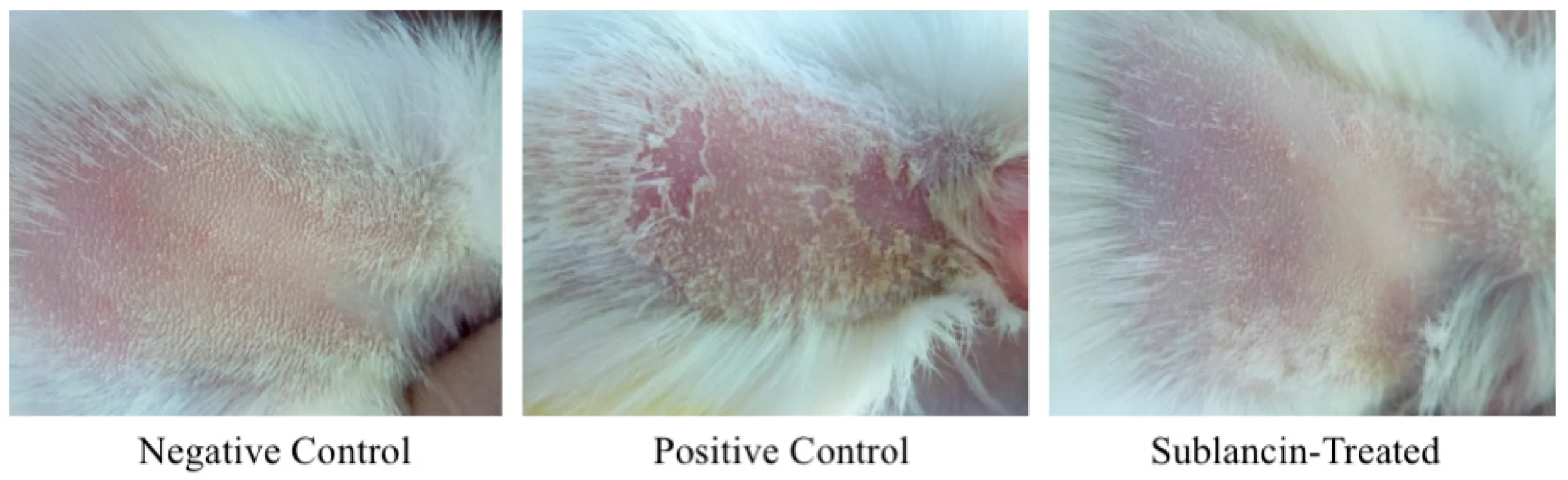
Image source: Bing (Web (fair-use with source credit))
The Normal Grease Gland
A healthy grease gland has a flat or slightly raised surface. It's coated in a thin to moderate layer of waxy, yellowish-brown secretion. The skin underneath should be pink and healthy, with no visible sores, scabs, or swelling.
It might look a little greasy, but it shouldn't look angry.
Red Flags That Need a Vet
Here's what should stop you in your tracks and have you booking an appointment with an exotic vet:
- Swelling or a firm lump: A lump under the skin near the gland could be an impacted gland, an abscess, or even a tumor. Don't poke it. Get it checked.
- Pus or a foul, rotting odor: This is a sign of infection. The gland might be abscessed, and it likely needs draining and antibiotics.
- Red, raw, or bleeding skin: This means the area is badly irritated, or your pig has been scratching at it. Open skin invites bacteria.
- Hair loss around the gland: A little thinning from normal wear is one thing. A bald, inflamed patch is a sign of a skin condition like ringworm or a bacterial infection.
- Persistent scratching or scooting: If your pig is dragging their rear end along the cage floor or scratching obsessively, something is wrong. It could be mites, an itchy skin condition, or an impacted gland.
If you see any of these signs, stop home treatment. A guinea pig's skin is delicate, and guessing wrong can make things worse. A vet can properly diagnose the issue, take a skin scrape if needed, and prescribe the right medication.
According to the American Veterinary Medical Association, small mammal health issues should always be evaluated by a veterinarian experienced with exotic pets.
Keeping the Odor Under Control Between Cleanings
You don't have to wait for a visible problem to manage the smell. A few daily habits can keep the gland area relatively fresh and cut down on the odor in your home. This isn't about replacing cleanings.
It's about making them less frequent.
Bedding and Fleece Tricks That Cut the Smell
The grease gland scent clings to whatever it touches, and your cage bedding is the primary sponge. If you're using fleece liners, you know that a greasy pig can leave a permanent stain and a lingering smell in the fabric. Here's what works:
- Rotate a small "butt pad": Place a small, washable pad or towel under your pig's rear end and swap it out daily. This concentrates the smell in one easy-to-wash piece of fabric instead of the whole liner.
- Use a vinegar rinse on laundry: Add a half cup of white vinegar to your wash cycle when washing fleece and liners. It neutralizes the oily odor and helps break down the waxy residue.
- Spot-clean high-traffic areas: If the gland is active, wipe down the plastic cage bottom or tray every few days with a 50/50 vinegar and water solution. Avoid harsh chemical cleaners that leave fumes.
Dietary Factors That Can Influence Secretion
There's no magic food that stops grease production entirely, but a few dietary elements can support healthy skin and reduce excess oil. Consistent access to fresh hay is the foundation, as good fiber supports overall health. Vitamin C, which guinea pigs cannot produce themselves, is also critical for skin integrity.
A daily serving of bell peppers or a quality vitamin C supplement helps.
Avoid excessive fatty treats like sunflower seeds. A diet too high in fat can potentially increase sebum production in some animals. Stick to the standard guinea pig diet of unlimited timothy hay, a small portion of high-quality pellets, and a daily serving of leafy greens.
How to Make Cleaning Part of a Routine Check-Up
The easiest way to remember to check the gland is to tie it to something you already do. Every time you trim your pig's nails, do a quick visual check of the rump area. Make it a standard part of the weekly health scan that includes checking eyes, ears, teeth, and feet.
This routine serves two purposes. First, it catches buildup early before it becomes a crusty mess. Second, it gets your guinea pig used to being handled and examined around the rear end, which makes the occasional cleaning session much less stressful for everyone involved.
A quick two-second look is all it takes.
Frequently Asked Questions
Why does my guinea pig's grease gland smell so bad?
The grease gland produces a waxy, oily secretion called sebum, which has a naturally strong, musky odor. In intact males, testosterone amplifies production, making the smell more intense. The odor becomes stronger when the secretion mixes with dead skin cells and dirt, creating a buildup that harbors bacteria.
Regular gentle cleaning and proper cage hygiene keep the smell manageable.
Can I use baby shampoo instead of dish soap?
You can, but it's not the best choice. Baby shampoo is designed for human skin and can leave residue that irritates guinea pig skin over time. Plain, original formula dish soap cuts through grease more effectively and rinses cleaner without harsh fragrances or moisturizers.
If you must use baby shampoo, choose a fragrance-free, tear-free formula and rinse thoroughly.
Will neutering stop the grease production?
Neutering reduces grease production significantly, but it doesn't eliminate it. The grease gland is still a natural sebaceous gland that produces some secretion regardless of hormone levels. In neutered males, the amount is typically much lower, and the odor is less intense.
However, you'll still need to perform occasional spot-checks and cleanings, just much less frequently.
How often should I clean my guinea pig's grease gland?
There's no universal schedule, but most adult guinea pigs need a spot-clean every three to six months. Young intact males may need attention every few weeks during puberty. The best approach is to check the gland weekly and clean only when you see visible waxy buildup.
Over-cleaning is a common mistake that leads to dry skin and increased oil production.
What if my guinea pig hates being held for cleaning?
Take it slow and build trust. Start by simply handling your pig gently around the rear end without any cleaning, and offer treats. Do this for a few days.
When you do clean, keep the session under five minutes, use the towel-burrito method for restraint, and reward with a favorite treat immediately after. Patience and consistency are more effective than force.
Final Verdict: Simple, Safe, and Doable
Cleaning your guinea pig's grease gland really is a straightforward job once you know what you're doing. The entire process boils down to a few key principles: check regularly, clean gently, rinse thoroughly, and never overdo it. You're not trying to eliminate the gland's natural function, just manage the buildup that causes odor and discomfort.
The right supplies are already in your home. A pea-sized drop of dish soap, a warm cloth, and a few minutes of patience are all it takes. The most important thing is to watch your individual pig and adjust your approach to their needs.
Some pigs are greasier, some stay clean for months. There's no one-size-fits-all timeline.
If you ever see swelling, pus, persistent redness, or signs your pig is in pain, stop guessing and call the vet. A quick professional check can prevent a small problem from becoming a serious one. But for the routine stuff, you've got this.
Your guinea pig will thank you with happier wheeks and a fresher cage.