
The first time you watch a chinchilla take a dust bath, it looks like pure chaos. A fluffy bowling ball hurling itself sideways, flipping, twisting, and kicking up a gray cloud until it resembles a tiny, ecstatic dust demon. It's hilarious.
It's also one of the most critical parts of keeping your pet healthy.
But if you don't know how to give a chinchilla a dust bath correctly, you can do real damage. Too much dust strips their natural oils. Too little leaves them vulnerable to fungal infections and matted fur.
The wrong dust entirely can cause respiratory distress or skin abrasions. Get the routine right, though, and you'll have a soft, happy, and thriving companion for the next 15 to 20 years. And as of 2026, the standard remains unchanged: a properly maintained pumice dust bath, offered a few times a week, is the gold standard of chinchilla hygiene.
Let's break down exactly how to do it safely, from the first fill to the final sift.
Quick Answer
Give your chinchilla a dust bath in a heavy, chew-proof container filled with 1 to 2 inches of 100% pumice dust. Offer it for 10 to 15 minutes, two to four times per week. Remove the bath immediately after use.
Never use water or play sand. Strain the dust between sessions and replace it every few uses.
Why Getting This Right Matters More Than You Think
Chinchillas come from the high-altitude Andes Mountains, where humidity is low and water is scarce. Their fur is the densest of any land mammal, with up to 60 hairs growing from a single follicle. That density makes them incredibly soft, but it also means water takes forever to dry.
A damp chinchilla can develop hypothermia or a severe skin infection called fur rot within hours. That's why they roll in dust instead. The fine volcanic particles absorb excess oil and moisture, then slough off, leaving the coat clean and dry.
Getting this wrong isn't a minor issue. It's a direct path to a vet visit. Bathing too frequently strips the protective oils that keep their skin healthy, leading to itching, flaking, and open sores.
Bathing too rarely allows oils to build up, matting the fur and inviting bacterial or fungal growth. The most common reason chinchillas develop ringworm in captivity is a dirty or improperly managed dust bath. This isn't just a cosmetic routine.
It's a core component of their physiological health.
The stakes are even higher for new owners who assume any fine sand will work. Play sand, which is commonly sold for reptile habitats, is coarse and abrasive. It scratches the delicate hair shafts, causing breakage and a rough, patchy coat.
Some owners have even tried using cornmeal or diatomaceous earth. Absolutely do not do this. These substances don't wick oil properly, and some are dangerous to inhale.
The only safe option is specifically manufactured chinchilla dust, made from ground pumice, a volcanic glass that's soft enough to polish fur without damaging it.
Core Facts: Understanding Chinchilla Fur and Skin
To understand the dust bath, you need to understand the fur it's cleaning. Each follicle produces an astoundingly fine hair, roughly one-tenth the diameter of a human hair. This creates a dense thermal barrier that keeps the chinchilla warm in freezing mountain nights.
But that same density traps moisture and oil against the skin. Without intervention, the fur would mat into clumps, and the skin underneath would become a breeding ground for pathogens.
Dust bathing works on a simple mechanical principle. The fine pumice particles penetrate the fur, absorb the sebum and sweat, and then cling to dirt and dead skin cells. As the chinchilla rolls and thrashes, the dust particles collide and slide, creating a gentle abrasive action that lifts debris away from the skin.
When the chinchilla finally shakes itself off, the dust, now carrying the oils and grime, flies off in a cloud. The result is a clean, dry, and aerated coat.
The rolling motion isn't random. It's an instinctual grooming sequence that distributes the dust evenly across the entire body. You'll notice your chinchilla does specific flips and twists, ensuring the belly, the back, and the base of the tail all get coated.
It's also deeply enjoyable for them. Many owners report that bath time is the most active and playful part of their chinchilla's day. It serves as both hygiene and enrichment, giving them a structured, satisfying activity that mimics natural behavior.
Choosing the Right Dust and Bath House
This is where most mistakes happen, so let's be clear about what to buy and what to avoid.
The Dust: Pumice Only
The market leader, and the standard recommended by most breeders, is Blue Sparkle. It's made from 100% pumice and processed to a consistent fine powder. It's safe, effective, and the texture is perfect for chinchilla fur.
If you can't find Blue Sparkle specifically, look for any dust labeled as "chinchilla dust" or "volcanic pumice dust" with no added scents, no anti-fungal chemicals, and no moisture absorbers. It should feel like fine talcum powder to the touch. If you can feel individual grains between your fingers, it's too coarse.

Image source: Bing (Web (fair-use with source credit))
The Container: Heavy and Safe
The right container is just as important as the right dust. You need something heavy enough that it won't tip over during a vigorous roll session, and deep enough that dust stays mostly inside. A classic ceramic crock designed for chinchillas works well.
So does a large glass baking dish or a heavy-duty metal mixing bowl. The key is weight and stability. A lightweight plastic dish will be flipped in seconds, scattering dust across your floor.
Avoid any plastic that can be chewed. Chinchillas gnaw on everything, and ingesting sharp plastic fragments can cause fatal intestinal blockages. For the same reason, avoid containers with painted finishes or glued-on decorations.
You want a smooth, unglazed or glazed surface that's easy to wipe clean, with no exposed edges that invite chewing.
Step-by-Step: How to Give a Perfect Dust Bath
Once you have the right materials, the process itself is straightforward. Here's the exact method that keeps chinchillas clean, happy, and safe.
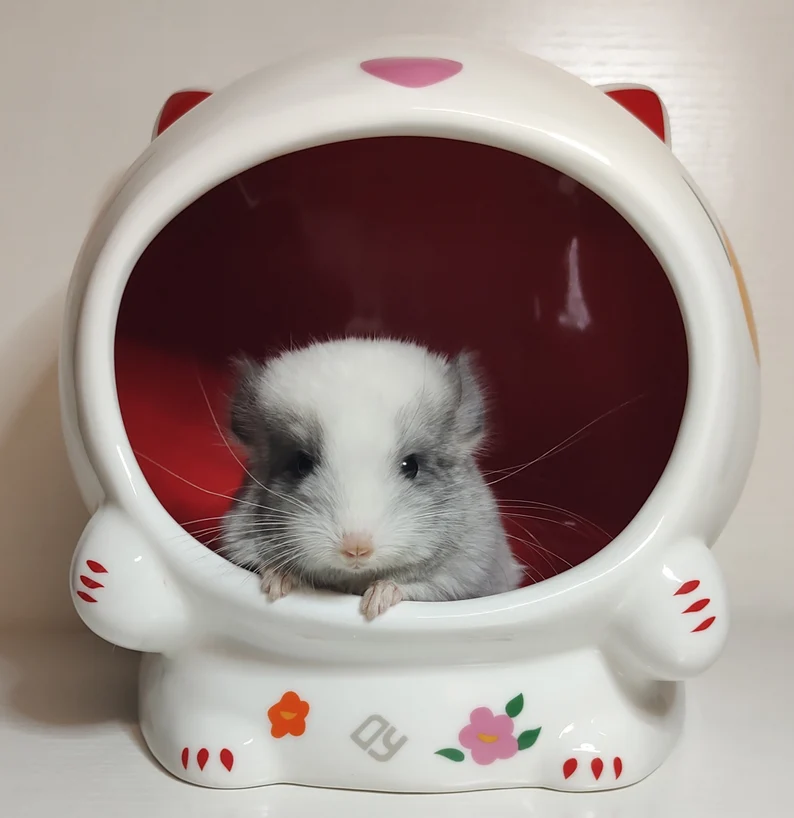
Image source: Bing (Web (fair-use with source credit))
Step 1: Fill the Container to the Right Depth
Add the pumice dust to the container until it's about 1 to 2 inches deep. Too shallow, and the chinchilla can't get enough coverage. Too deep, and they'll create a massive cloud and potentially inhale too much dust.
One to two inches is the sweet spot. It's enough to fully coat their body as they roll, but it doesn't create a suffocating cloud.
Step 2: Introduce Your Chinchilla the Right Way
Place the container inside the cage, or in a safe enclosed area if you're doing bath time outside the cage. Most chinchillas will hop in immediately, knowing exactly what it's for. If you have a new chinchilla, or one that seems hesitant, gently place them in the container.
Let them sniff and explore. Don't force them to roll. Chinchillas who are forced into a bath often associate it with stress and may refuse to bathe later.
Step 3: Let Them Roll (This Is Normal)
Once they're in, stand back. Your chinchilla will start a series of vigorous rolls, flips, and slides. They may kick dust onto their own backs, or lie on their side and twist.
This is all normal behavior. Your job is simply to supervise and ensure the container doesn't tip. The entire active session will usually last 10 to 15 minutes, but many chinchillas will tire out after about 5 minutes.
Step 4: Time the Session Correctly
Watch for the moment your chinchilla stops actively rolling and starts sitting in the dust, or tries to hop out. That's the signal that bath time is over. Leaving them in longer doesn't help.
It just exposes them to excess dust and increases the risk of respiratory irritation. A session that stretches past 20 minutes is too long.
Step 5: Remove and Strain the Dust Properly
Take the container out of the cage immediately. Leaving it in the cage means your chinchilla will use it as a litter box, urinating in the dust and rendering it contaminated. After each session, pour the dust through a fine mesh strainer or sieve.
This removes the fur clumps and any droppings that got kicked in. The clean dust can then go back into its storage container or the bath house for the next session.
Step 6: Store the Dust for Next Time
Keep the strained dust in an airtight container in a cool, dry place. The dust will absorb moisture from the air, so a sealed storage tub or zip-top bag is essential. After about three or four baths, or whenever the dust starts to look gray and clumpy, discard it entirely and refill with fresh dust.
Old, oil-saturated dust is ineffective and can harbor bacteria.
How Often Should You Bathe Your Chinchilla?
This is the most common question, and the answer isn't a fixed number. The standard baseline is two to four times per week. But the exact frequency depends on your environment and your individual chinchilla.
In drier climates, twice a week is often enough. In humid climates, three to four times a week may be necessary to keep moisture from building up in the dense fur. The best way to judge is to inspect your chinchilla's coat.
If you see oily clumping, dandruff, or matted patches, increase the frequency. If you see hair that looks dry, brittle, or if you notice your chinchilla scratching excessively, decrease the frequency. Over-bathing causes dry, itchy skin.
Under-bathing causes greasy, matted fur. You're looking for a soft, fluffy, and light coat with no visible clumps.
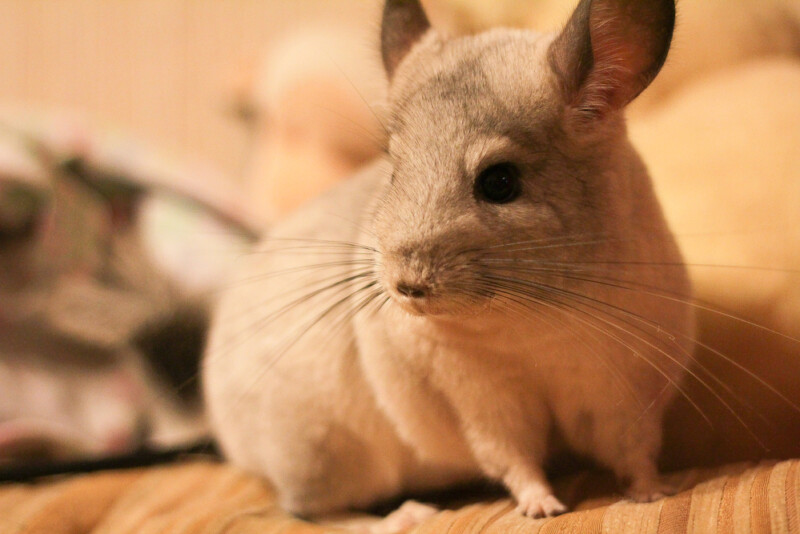
Image source: Web (Bing) / petsoid.com (Web image (fair-use with source credit))
Seasonal changes matter too. In the summer, when humidity naturally rises, your chinchilla may need an extra bath each week. In the winter, when indoor air is dry from heating, they may need one less.
Owners in desert states like Arizona or Nevada, where humidity is consistently low, are often fine with just two baths weekly. Owners in coastal states, or in the humid Southeast, will lean closer to four times a week. Watch the coat, and you'll find the rhythm that works for your specific household.
Common Mistakes to Avoid at All Costs
Even experienced owners slip up sometimes. Here are the most common errors, and why they're dangerous.
Using Beach Sand or Play Sand
Sand is not dust. Beach sand and play sand have larger, sharper particles that scratch the hair shaft. This causes the fur to break, leading to a rough, patchy coat that loses its insulating properties.
Sand also doesn't absorb oil as effectively as pumice, leaving your chinchilla's skin greasy and prone to infection. Always use specifically manufactured chinchilla dust.
Leaving the Bath in the Cage 24/7
This is a huge mistake. If the bath house stays in the cage, your chinchilla will use it as a litter box. Urine and feces contaminate the dust quickly, turning it into a bacterial breeding ground.
It also means your chinchilla is exposed to dust constantly, which can irritate their respiratory system. The bath should be offered for 10 to 15 minutes, then removed. Every time.
Bathing a Chinchilla with Wet Fur
If your chinchilla gets wet for any reason, you need to dry them thoroughly before offering a dust bath. Wet fur clumps together, and dust will stick to the moisture, creating a hard, cemented mess. This can trap bacteria against the skin and lead to severe irritation.
Use a soft towel to dry them completely, and wait until the fur is fully dry before bath time.
Using Scented or Medicated Dust
Chinchillas have extremely sensitive respiratory systems. Scented dust, even with "natural" essential oils, can cause coughing, wheezing, and chronic respiratory infections. Medicated dusts, sometimes sold for treating mites, should only be used under the direct supervision of an exotic veterinarian.
Stick to unscented, 100% pure pumice dust.
Safety and Health Risks Every Owner Should Know
Most chinchillas will happily bathe their whole lives without a single issue. But it's crucial to recognize the warning signs that something is wrong. Respiratory distress is the most serious concern.
If you notice your chinchilla sneezing persistently, breathing with an open mouth, or showing nasal discharge, remove the dust bath immediately and consult an exotic vet. These signs can indicate a respiratory infection, which can be fatal if left untreated.
Skin infections are another risk. Regularly check your chinchilla's skin while they're in the bath. Look for red patches, hair loss, scabs, or flaking.
These can indicate ringworm, a fungal infection that thrives in warm, moist environments. Contaminated dust is a primary culprit. If you spot any of these signs, stop bathing and take your chinchilla to a vet for a proper diagnosis.
Another condition to watch for is fur slip. This is when a chinchilla loses a patch of fur as a stress response. If you grab them roughly during bath time, or if they panic, they'll shed fur instantly.
This isn't dangerous, and the fur will grow back, but it's a sign to be gentler and more patient. Finally, monitor your chinchilla's weight. If they're spending excessive time in the dust, or if you notice them eating the dust, it could be a sign of a nutritional deficiency.
Pumice dust is not toxic, but it shouldn't be a food source.
Expert Tips for First-Time Chinchilla Owners
If you're new to chinchillas, a few simple adjustments can make bath time smoother for everyone.
Pick a Consistent Time of Day
Chinchillas are crepuscular, meaning they're most active at dawn and dusk. Offering a bath during these active periods means your chinchilla is more likely to be alert and engaged. It also makes bath time predictable, which reduces stress.
A consistent routine helps your chinchilla feel secure.
Turn Bath Time Into a Bonding Ritual
Sit near the cage while your chinchilla bathes. Talk to them softly. Let them get used to your presence.
Over time, they'll start to associate you with the positive experience of bath time. This is a great foundation for building trust and making handling easier.
What to Do With a Chinchilla That Refuses to Bathe
First, check the dust. Is it fresh? Is it the right type?
If the dust is old or clumpy, replace it. Next, check the container. Some chinchillas are scared of new or shiny objects.
If your chinchilla is hesitant, try a different container shape or place it in a different location. Finally, be patient. Some chinchillas take weeks to warm up to the idea.
Don't force it. Just keep offering the bath on a regular schedule, and eventually, instinct will take over.
Frequently Asked Questions
Can I use a water bath if my chinchilla is really dirty?
No. Never bathe a chinchilla in water. Water removes the natural oils from their fur, making it brittle and prone to breaking.
Worse, their dense fur holds moisture for hours, which can lead to hypothermia and severe fungal infections. If your chinchilla has a sticky substance in their fur, spot-clean with a damp cloth, then dry thoroughly and offer a dust bath.
What if my chinchilla eats the dust?
A small amount of pumice dust is not toxic. Most chinchillas will lick a bit off their paws, and it's generally harmless. However, if you notice your chinchilla eating large amounts of dust, it could indicate a calcium deficiency or boredom.
Offer a high-quality chinchilla pellet and a clean mineral block. If the behavior persists, visit an exotic vet.
How do I clean the bath house between uses?
After each session, strain the dust to remove fur and droppings. Wipe the inside of the container with a dry paper towel to remove any residual dust clumps. Once a month, wash the container with warm water and a mild, unscented dish soap.
Rinse thoroughly and dry completely before adding fresh dust. Never use bleach or harsh chemicals.
Is it okay to give two chinchillas a bath together?
It depends on their relationship. If they are bonded and share a cage peacefully, a shared bath is usually fine. They'll even groom each other during the session.
If they are not bonded, or if you see any signs of aggression, bathe them separately. Fighting over the bath house is a common cause of stress and injury.
How long does the dust last in the container?
With regular straining, a two-pound bag of chinchilla dust will last about two to three months. You'll know it's time to replace it when the dust starts to clump, turns a grayish color, or no longer absorbs oil effectively. Always store fresh dust in an airtight container to keep it dry and clean.
Can I use chinchilla dust for other small animals?
Chinchilla dust is formulated specifically for the dense fur of chinchillas and degus. It's generally too fine for hamsters, gerbils, or mice, which need a coarser sand to clean their fur effectively. If you have other rodents, look for a sand formulated for their species.
Don't mix them.