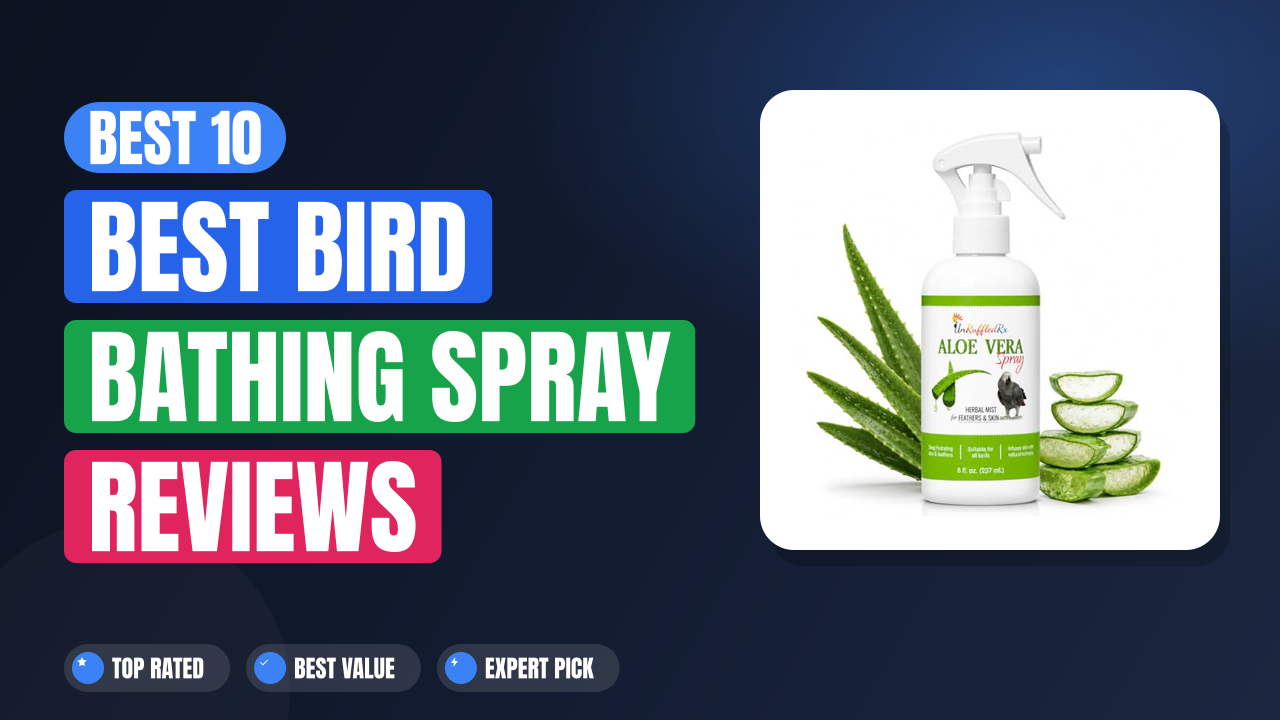

Image source: Bing (Web (fair-use with source credit))
Let's be honest. When you brought home your feathered friend, nobody handed you a grooming manual. You figured out the food, the cage, the toys.
But somewhere around month two, you looked at those overgrown nails and thought, "Wait, do pet birds need grooming?" The short answer is yes, absolutely. But it's probably not what you think, and it's definitely not the same as brushing a dog or trimming a cat's claws.
Here's what surprised us in our research: most pet birds never need a full "grooming session" the way mammals do. What they do need is targeted, species-appropriate maintenance that supports their natural biology. As of 2026, the Association of Avian Veterinarians (AAV) reports that a significant percentage of grooming-related emergencies in birds come from well-meaning owners who trimmed too much, cut the wrong feather, or used the wrong tools.
That's why understanding the why behind each grooming task matters just as much as the how.
Quick Answer
Yes, pet birds need grooming. Nails, wings, beak, and feathers all require regular attention. Most birds need nail trims every 4 to 6 weeks.
Wing clipping is optional and species-dependent. Beak maintenance is usually natural. Bathing is essential for feather health.
Never attempt grooming without proper training or tools.
Why This Matters More Than You Think
Here's the thing nobody tells you about bird ownership. A bird's nails, beak, and feathers are living tissue, not dead material like human hair or fingernails. When you cut into the quick of a nail, you're not just causing pain.
You're opening a blood vessel that can bleed heavily and lead to infection or, in severe cases, life-threatening blood loss.
The stakes go even higher with feathers. A blood feather, also called a pin feather, is a developing feather with an active blood supply running through its shaft. If it breaks or gets clipped improperly, your bird can bleed profusely.
In our research, we found case reports of birds needing emergency veterinary care for what seemed like a "simple" grooming mistake at home.
Beyond the physical risks, there's the psychological component. Birds are prey animals. They don't process force or restraint the way dogs and cats do.
A bad grooming experience can break trust, trigger feather plucking, and make future handling a nightmare. That's not dramatic. That's documented avian behavior science.
Let's also talk about what grooming actually does for your bird's quality of life. Overgrown nails catch on cage bars and perches. They make walking on flat surfaces awkward and painful.
They can deform the feet and cause arthritis-like symptoms over time. An overgrown beak interferes with eating, preening, and playing. Matched feathers can't insulate properly, and unhealthy feather follicles can become infected.
The True Cost of Skipping Grooming
Ignoring grooming doesn't just mean a scraggly-looking bird. It sets off a chain reaction. Overgrown nails lead to poor grip.
Poor grip leads to falls and accidents. Falls lead to injuries, and injuries lead to stress, which leads to a suppressed immune system. Before you know it, your bird is at the vet with something that was entirely preventable.
On the flip side, over-grooming has its own dangers. Trimming too many wing feathers at once leaves a bird unable to glide and prone to crash-landing. A hard landing can break a keel bone or cause internal bruising.
Filing the beak too aggressively can expose the sensitive keratin matrix and cause chronic pain.
The reality is that grooming, done right, is a delicate balance. It's less about vanity and more about preventive healthcare. And it's one of the few aspects of bird ownership where the difference between a healthy bird and an injured one comes down to education, not luck.
What Birds Naturally Do vs. What They Need Help With
Before you start buying clippers, let's look at how birds handle their own maintenance in the wild. It's honestly impressive.
Wild birds keep their nails filed down through constant movement. They grip rough bark, climb branches, forage on rocky ground, and perch on coarse surfaces. That natural abrasion wears the nails down at the same rate they grow.
Captive birds lose that advantage. A smooth wooden dowel perch doesn't file anything. A plastic perch definitely doesn't.
So nails grow, and they keep growing, until you step in.
Feathers are a different story. Birds are meticulous self-groomers. They spend a significant portion of their waking hours preening.
Each feather gets pulled through the beak, realigned, and coated with oil from the uropygial gland near the base of the tail. That oil keeps feathers flexible, waterproof, and properly aligned for insulation and flight.
Here's where captive birds struggle. Indoor environments are dry, especially during winter when heating systems run constantly. Low humidity makes feathers brittle and skin flaky.
A bird that's trying to preen dry, brittle feathers in a heated living room is fighting a losing battle. That's why bathing, or at least offering water for bathing, becomes critical in captivity.
Beak maintenance is largely self-managing too. Birds naturally rub their beaks on rough surfaces, chew on wood, and crack seeds. That activity keeps the beak worn down to a healthy length and shape.
But captive birds sometimes have dietary issues or lack appropriate chewing materials. Soft food diets, in particular, do nothing to wear down a beak. If the beak starts overgrowing, it's often a sign of an underlying health issue, not just a grooming problem.
The Gap Between Natural and Captive
The core difference comes down to wear and tear. Wild birds have constant, varied, natural abrasion. Captive birds have cage bars, smooth perches, and maybe a cuttlebone if you remembered to buy one.
That gap is exactly why "do pet birds need grooming" is such a relevant question. It's not about forcing a bird into an unnatural routine. It's about compensating for what captivity takes away.
Species matters too. A budgie and a macaw have very different needs. A budgie's nails grow fast but are small and easy to manage.
A macaw's nails are like small talons and need heavy-duty clippers. Cockatoos produce a lot of powder down, which means they need more frequent bathing to keep skin and feather follicles clear. African greys are prone to feather plucking, so grooming must be low-stress to avoid triggering that behavior.
What Birds Can Handle Themselves
Let's be fair to your bird. There's a lot it can do on its own. Preening, molting, dust bathing, and even some nail wear through perch grip.
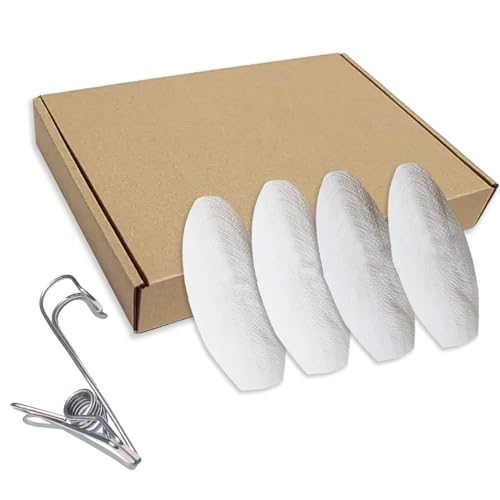
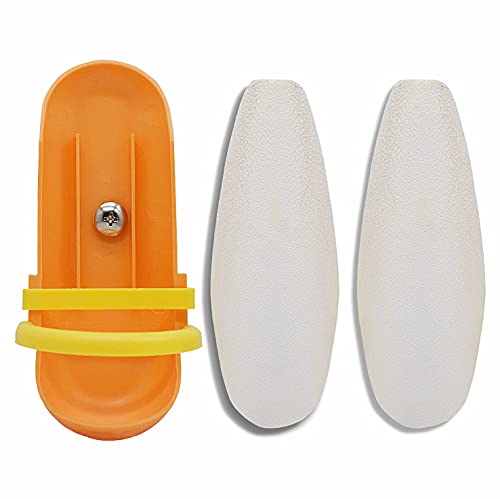
Regular access to natural wood perches, cuttlebone, mineral blocks, and safe chewing toys covers a surprising amount of ground.
Your job isn't to replicate the full grooming process. It's to fill in the gaps. Trim nails when they get long.
Offer bathing opportunities regularly. Check the beak and wings for problems. And know when to call a professional.
That's the whole game.
The 4 Core Grooming Needs, Explained
Now we get into the practical stuff. Four main grooming areas require your attention: nails, wings, beak, and feathers. Each has its own timeline, tools, and risk profile.
Let's break them down one by one.
Nail Trimming: How Often, How Short, and the Quick
Nail trimming is the most common grooming task bird owners face. Captive birds don't get the natural wear they need, so nails grow longer and longer until walking feels like balancing on stilts.
Your bird needs a nail trim every 4 to 6 weeks as a general baseline. Some species grow faster. Budgies, cockatiels, and lovebirds tend to need trims on the shorter end of that range.
Larger parrots like macaws and greys can sometimes go longer. The best indicator isn't the calendar, though. It's watching your bird walk.
When the bird's toes start lifting off the perch at the tips, or when nails visibly curl past the toe pad, it's trimming time. Another telltale sign is snagging. If the bird's nails catch on clothing, cage bars, or your skin, that's a clear signal.
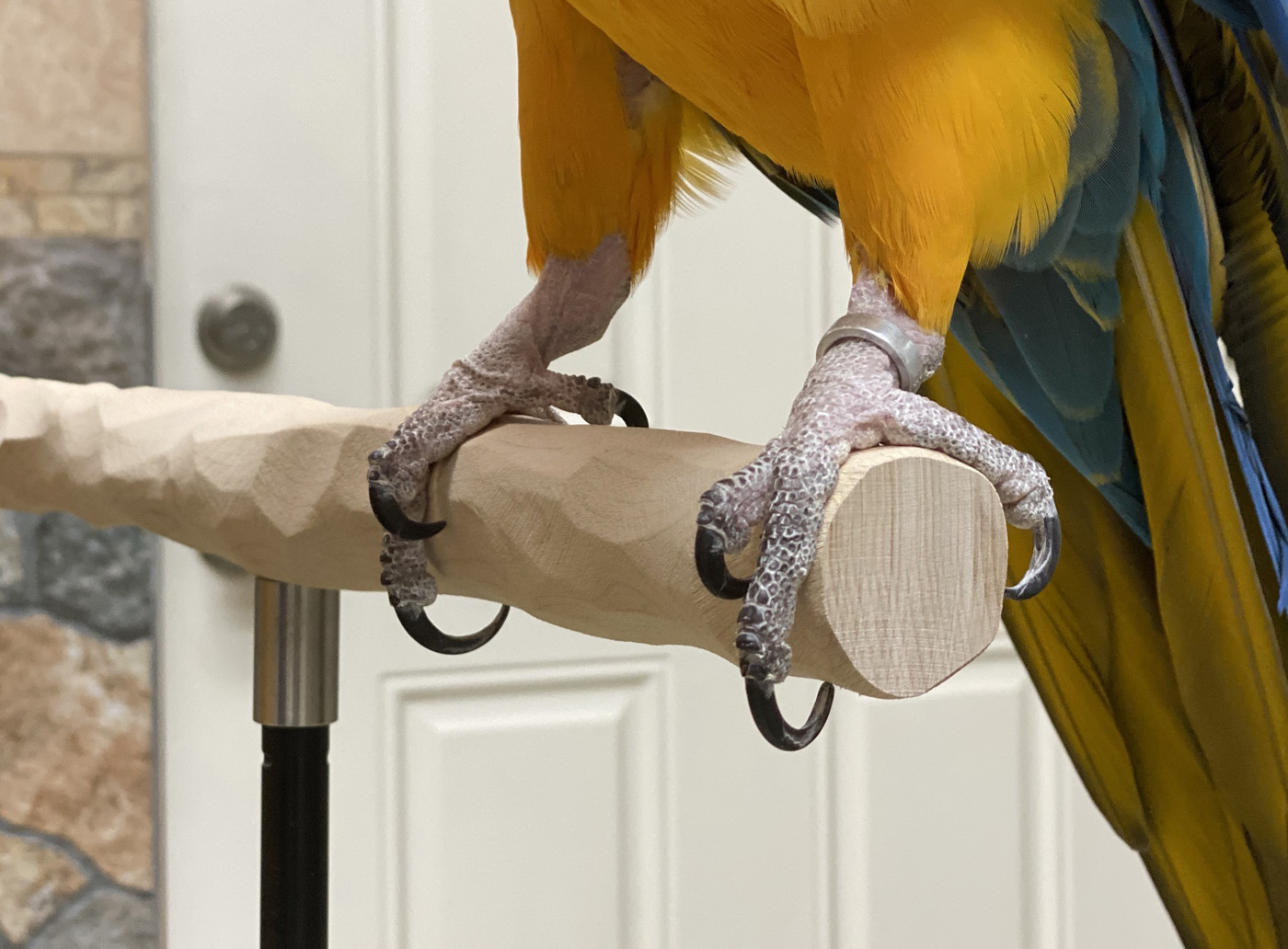
Here's the critical anatomy lesson. The quick is the living tissue inside the nail that contains blood vessels and nerves. It runs about a third to halfway up the nail, depending on the species and how long the nail has grown.
In light-colored nails, you can see the quick as a pinkish section. In dark nails, you can't see it at all. That's why the advice is always the same: trim just the tip.
Wing Clipping: The Honest Pros and Cons
Wing clipping is the most controversial aspect of bird grooming, and for good reason. It's entirely optional, and the decision depends on your bird's environment, your home, and your philosophy about flight.
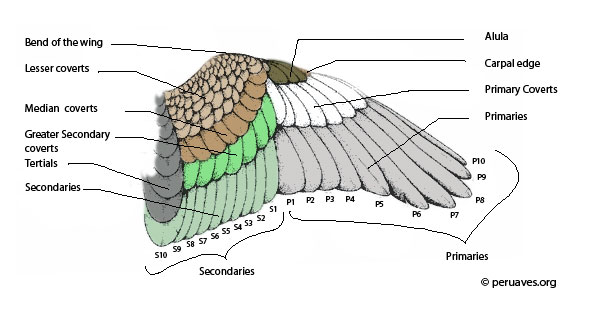
Here's what clipping actually does. It involves trimming the primary flight feathers, which are the long outer feathers on each wing. Cutting 4 to 6 primaries on each wing reduces lift and maneuverability.
It doesn't prevent all flight. A clipped bird can still flutter, glide, and sometimes fly short distances if startled.
The pros are straightforward. A clipped bird is less likely to fly into windows, ceiling fans, hot stoves, or open doors. That reduces injury risk in households that can't guarantee a fully bird-proofed environment.
Clipping also makes recall training and supervised out-of-cage time more manageable for novice owners.
The cons are significant. A severe clip that removes too many feathers can cause crash-landing injuries. The bird drops like a stone and hits the floor with force.
That can break the keel bone, bruise internal organs, or cause behavioral trauma. Over-clipped birds often become fearful and refuse to climb or move. They lose confidence, and some develop phobias of being handled because they feel defenseless.
The AAV and most avian veterinarians take a nuanced stance. Clipping is a management tool, not a default requirement. Done correctly, it's a temporary measure that lasts until the next molt.
Done incorrectly, it's a welfare issue.
If you do clip, never cut all the primaries. Never clip both wings identically. The goal is to reduce lift while preserving some gliding ability.
A proper clip leaves the bird able to flutter safely to the floor from a height, not plummet. Many vets also recommend leaving the outer two primaries intact for some steering control.
Beak Maintenance: Normal Wear vs. Health Red Flag
Here's a fact that surprises most bird owners. In healthy birds, the beak requires almost no maintenance. It self-sharpens through chewing, foraging, and the natural rubbing behavior birds do on cage bars and perches.
A healthy beak is smooth, well-aligned, and properly shaped for the species. The upper beak slightly overlaps the lower beak. There's no flaking, chipping, or unusual growth.
Birds that have access to cuttlebone, mineral blocks, natural wood perches, and chewing toys rarely develop beak problems.
When the beak starts overgrowing, it's usually a sign of liver disease, nutritional deficiency, or a misalignment from an old injury. This is one of those situations where grooming is actually the wrong response. Fixing the beak by filing it down treats the symptom while the underlying disease progresses.
If your bird's beak is overgrowing, that's a vet visit, not a filing session.
That said, some birds do need occasional beak conditioning. Birds with healed beak injuries, birds with liver disease under veterinary treatment, and some senior birds may have trouble wearing the beak down naturally. In those cases, a vet can file the beak back to a functional shape.
This is absolutely not a DIY task. The beak is packed with nerve endings, and aggressive filing causes serious pain.
Feather Care and Bathing: Species-Specific Needs
Feathers are your bird's largest organ system by weight. They provide insulation, waterproofing, flight capability, and communication. Keeping them in good shape is foundational to bird health.
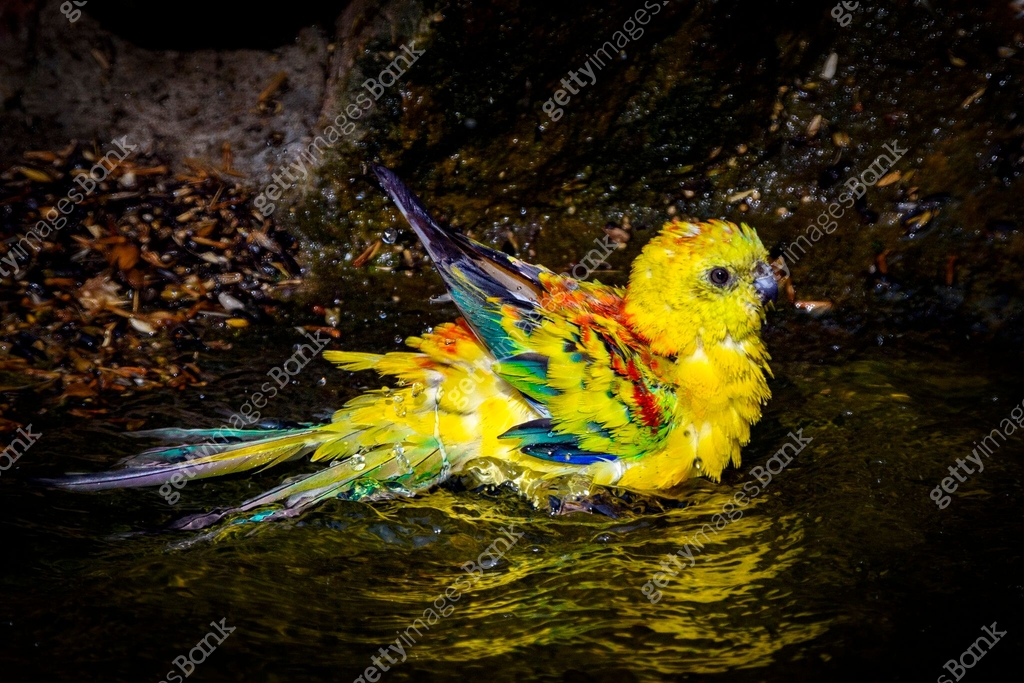
Bathing is the key intervention here. Birds bathe in the wild, and captive birds need the same opportunity. Bathing removes dust, dander, and debris.
It hydrates the skin and feather shafts. It also encourages preening since the bird needs to realign feathers after they get wet.
How often should you offer a bath? It depends on the species and your home's humidity. Tropical species like conures and Amazon parrots appreciate bathing 3 to 5 times per week.
Desert species like cockatiels can go longer between baths, though they still need them. During dry winter months, more frequent bathing compensates for the lack of humidity.
There are three main bathing methods, and each has its fans.

Image source: Bing (Web (fair-use with source credit))
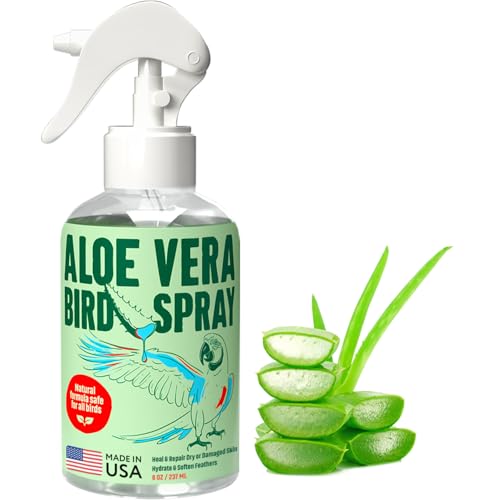
Misting is the gentlest option. You use a clean spray bottle filled with lukewarm water and mist the bird from above, mimicking light rain. Most birds relax under a misting spray once they get used to it.
Some never enjoy it, though, and that's okay.
Shallow dish bathing works well for smaller birds. A wide, shallow dish of lukewarm water placed in the cage or on a play stand invites the bird to splash on its own terms. Finches, canaries, and budgies often prefer this method.
Shower perches are the gold standard for larger parrots. These attach to the shower wall and let your bird enjoy the warm spray while you shower. Many parrots absolutely love this.
It provides thorough wetting, and the humidity is great for skin and feather health.
Here's a warning about bathing water. Never use cold water. Never use hot water.
Lukewarm is the only safe option. Also, never leave a wet bird in a draft. Wet birds get cold quickly, and chilling leads to illness.
Let your bird dry in a warm, draft-free room.
Step-by-Step: How to Groom Your Bird Safely at Home
Here's where we get practical. You can groom your bird at home. Millions of bird owners do it successfully.
But you need the right tools, the right technique, and the right mindset.
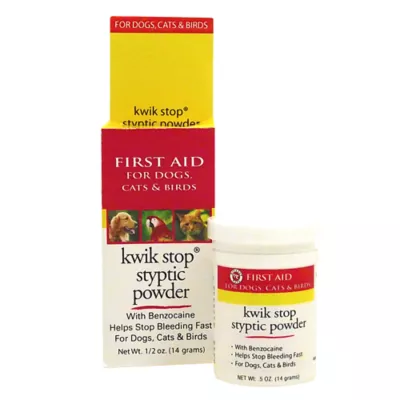
Image source: Bing (Web (fair-use with source credit))
Step 1: Read Your Bird's Body Language
Before you even pick up a tool, look at your bird. Is your bird relaxed? Is the body language telling you "go away" or "I'm okay with this"?
Signs of stress include rapid breathing, wide pupils, fluffed feathers, tail fanning, and attempts to bite or flee. If you see these, stop. Forcing the issue will only make future grooming harder.
Some birds are naturally cooperative. Others need desensitization training over weeks or months. Start by touching the feet and wings gently during routine handling.
Reward calm behavior with treats. Build up to actual grooming gradually.
Step 2: Gather Your Tools
You need specific tools for specific tasks. Here's the basic list:
| Tool | Purpose | Notes |
|---|---|---|
| Bird-specific nail clippers | Trimming nails | Never use human clippers; they crush the nail |
| Styptic powder | Stopping bleeding | Kwik Stop is a common brand |
| Clean towel | Safe restraint | Thin cotton works best |
| Small file | Smoothing rough edges | A fine emery board works |
| Spray bottle | Misting | Must be clean and bird-only |
| Shallow dish | Bathing | Wide and stable |
| Good lighting | Seeing the quick | Natural or bright white light |
Step 3: Learn the Towel Wrap Done Right
Towel wrapping is the safest restraint method for most grooming tasks. But it's easy to do wrong. The biggest mistake is wrapping too tightly around the chest.
Birds don't have a diaphragm like mammals. They expand and contract their chest cavity directly. Compressing it makes breathing impossible.
The correct technique is straightforward. Drape the towel over one hand. Use that hand to gently capture the bird's body.
Wrap the towel around the bird, leaving the head exposed. The bird's head should be free to turn, but its body should be secure. Hold the towel-wrapped bird against your body with your forearm, leaving one hand free to work.
Some birds are trained to accept grooming without restraint. If yours is one of them, great. But never attempt nail or wing work on a bird that's flapping and squirming.
Restraint is safer for everyone.
Step 4: Trim the Nails Safely
With the bird wrapped and secure, extend one foot at a time. Examine each nail under good lighting. Identify the quick.
In light nails, it's visible as a pink area. In dark nails, shine a light from behind the nail to silhouette it.
Make the cut at a 45-degree angle below the quick. Take off only the tip. If you're unsure, take off less than you think you need.
You can always trim again later. You cannot un-cut a nail.
Step 5: Handle Bleeding Immediately
Here's the scenario you need to be ready for. You cut too deep, and the nail starts bleeding. Your bird is going to be stressed, and you'll be too.
That's normal. What matters is your response.
Apply styptic powder directly to the bleeding nail. Press firmly for about 10 seconds. The powder promotes clotting by constricting blood vessels.
If you don't have styptic powder, cornstarch or flour works in an emergency. Apply pressure until the bleeding stops.
A tiny amount of bleeding is manageable. But if the bleeding doesn't stop within a few minutes, or if the bird loses a significant amount of blood, go to an avian vet immediately. There's no such thing as "minor" bleeding in a small bird.
A budgie has only about 2 to 3 milliliters of blood total.
Step 6: Approach Wing Clipping with Caution
Wing clipping is technically a two-person job for larger birds. One person holds the bird securely wrapped in a towel. The other person fans out the wing and identifies the primary feathers.
The goal is to cut 4 to 6 primaries on each wing, leaving the outer one or two intact.

Image source: Bing (Web (fair-use with source credit))
The critical point is cutting location. Each primary feather has a blood shaft that extends partway up. Cut below the blood shaft, closer to the tip.
Never cut above it. If you cut into a blood feather, you'll know immediately. It bleeds profusely and requires immediate attention.
Here's the rule for blood feathers: if one breaks, remove it completely. Use a hemostat or tweezers, grasp the shaft firmly at the base, and pull straight out with one smooth motion. The follicle will constrict and stop bleeding.
Apply styptic powder and pressure. Then observe the bird for swelling or signs of infection.
Step 7: Establish a Bathing Routine
Bathing is the easiest grooming task to make routine. Offer a bath at the same time on the same days each week. Most birds respond well to predictability.
Try misting first, then move to a dish or shower perch if your bird seems interested.
Warm water is non-negotiable. Birds cannot regulate their body temperature as efficiently as mammals. Cold water chills them.
Hot water burns their sensitive skin.
After bathing, keep your bird in a warm, draft-free area until fully dry. Long feathers take a while to dry, especially on larger birds. This is a good time for quiet time in the cage or on a play stand.
Step 8: Know When to Stop
Here's the most important step of all. Know when you're out of your depth. If your bird is frantic, if you're nervous, if you've never done this before, or if the bird has dark nails and you can't see the quick, stop and book a vet appointment.
Professional avian grooming is affordable, safe, and stress-free for your bird.
Many vets offer nail trims as a walk-in service or during routine checkups. The cost is usually modest, and the peace of mind is worth it. You're not a failure as a bird owner if you hand this task to a professional.
You're being responsible.
The Grooming Mistakes That Send Birds to the ER
Every avian vet has a collection of horror stories. These are the most common grooming errors that end in emergency visits.
Cutting the Quick
This is the number one mistake. It happens when you trim too deep or when you misjudge where the quick ends in a dark nail. The bleeding can be dramatic, and the pain is real.
The bird's trust in handling takes a serious hit, and future grooming becomes harder.
The fix is prevention. Use good lighting. Take off tiny amounts.
Stop when in doubt. And remember that styptic powder is not optional. It belongs in every bird owner's first aid kit.
Over-Clipping Wings
The phrase "crash landing" should never describe how your bird gets from the air to the floor. But that's exactly what happens when owners cut too many primaries. A bird with zero flight feathers drops like a rock.
The impact can fracture the keel bone, which is the large breastbone that anchors flight muscles. That's a serious injury requiring veterinary care and weeks of recovery.
The safer approach is a conservative clip. Leave enough feathers for controlled gliding. If your bird can't flutter to the ground without falling, the clip is too severe.
Using Sandpaper Perches
Sandpaper perches seem like a clever way to file nails naturally. They're actually a trap. The abrasive surface wears down the bottom of the feet, not just the nails.
Over time, this causes pododermatitis, also known as bumblefoot. That's a painful, infected condition that's tough to treat.
If you want natural nail wear, choose rough natural wood perches instead. They provide abrasion without traumatizing the feet. And keep a variety of perch diameters in the cage to exercise the feet.
Forcing Grooming on a Molting or Stressed Bird
Molting is exhausting. A bird's body is producing new feathers at a rapid rate, which requires huge amounts of protein and energy. Adding grooming stress on top of that is a bad idea.
The bird's immune system is already diverted to feather production. Infection risk goes up, and recovery time stretches out.
The same logic applies to a bird that's stressed for other reasons. New home, recent illness, a change in routine. Give the bird time to settle before introducing grooming.
At-Home Grooming vs. Professional Avian Vet: What to Choose
Not every grooming task belongs on your kitchen table. Here's how to decide what to handle yourself and what to leave to a professional.
What's Safe to DIY
Nail trims are the most common DIY task. With the right clippers, good lighting, and a calm bird, most owners can handle this. Bathing is also perfectly safe to do at home.
Misting, dish baths, and shower perches are all low-risk, high-reward routines.
Beak conditioning is not a DIY task. Neither is removing a broken blood feather if you're not confident. Wing clipping can go either way, but if you've never done it before, having a vet demonstrate is the safest introduction.
Cost Comparison
Professional grooming is not expensive when you factor in the peace of mind.
| Service | Typical Cost | Frequency |
|---|---|---|
| Nail trim at vet | $10-$25 | Every 4-6 weeks |
| Wing clip at vet | $15-$35 | Every 6-8 weeks |
| Beak file at vet | $20-$50 | As needed |
| Full grooming + exam | $50-$100 | Annual |
Compare that to buying your own tools, which can run $20 to $40 for a quality set. The breakeven point comes quickly, but the value of professional handling goes beyond cost. Vets are trained to spot early signs of illness while they're examining your bird.
When Your Bird's Behavior Should Hand Over the Clippers
Some birds are genuinely dangerous to handle during grooming. That's not a failure on your part. A bird that bites hard enough to draw blood during restraint is a bird that needs a professional's experienced hands.
Likewise, a bird with a medical condition should not be groomed at home without veterinary supervision. Birds with liver disease, cancer, or advanced arthritis have different risk profiles. The stress of grooming can aggravate underlying conditions.
How Grooming Changes with Age, Species, and Health
Grooming isn't a one-size-fits-all routine. Your bird's needs shift over its lifetime.
Young Birds vs. Seniors
Young birds have faster metabolisms. Their nails grow quickly, and their feathers molt on schedule. They're also more adaptable to new routines, which makes early training easier.
Senior birds need extra care. Nails may overgrow faster due to reduced perch activity. Arthritis makes climbing painful, so natural wear decreases.
Feather quality often declines with age, and some older birds develop bald patches or chronic feather issues. Regular veterinary checkups become more important to catch problems early.
Big Parrots vs. Small Birds
A budgie weighs about 30 grams. A macaw can weigh over 1,000 grams. That difference changes everything about grooming safety, tool selection, and restraint.
Small birds lose blood faster relative to their body size. A tiny cut on a budgie is a bigger emergency than the same cut on a macaw. Small birds also need smaller clippers and gentler restraint.
Large parrots need heavy-duty clippers and stronger towels. They can inflict serious bites when stressed. Their nails are thicker and require more force to cut cleanly.
And their wings have more feathers to manage.
Birds with Medical Conditions
Feather plucking, overgrown beaks, and skin conditions often signal underlying health problems. Grooming these birds requires coordination with a vet.
Feather plucking, for example, can be caused by stress, boredom, hormonal imbalances, or skin infections. Trimming feathers on a plucking bird doesn't address the cause and might worsen the behavior.
Similarly, an overgrown beak is rarely just a cosmetic issue. Liver disease is a common underlying cause. So are nutritional deficiencies, especially a lack of vitamin A.
Treating the cause, not just the symptom, is the only way to resolve the problem.
Building a Grooming Schedule That Works
Consistency beats intensity when it comes to bird grooming. A regular, predictable routine is less stressful for your bird and easier for you to maintain.
A Realistic Timeline
Here's a practical schedule that works for most pet birds:
| Task | Frequency | Notes |
|---|---|---|
| Nail check | Weekly | Look for curling or snagging |
| Nail trim | Every 4-6 weeks | More often for fast growers |
| Bathing | 2-5 times per week | Species-dependent |
| Wing check | Every 2 weeks | Look for broken or blood feathers |
| Wing clip | Every 6-8 weeks | Aligns with molt cycles |
| Beak check | Weekly | Look for overgrowth or damage |
| Full vet checkup | Annually | Includes grooming assessment |
Seasonal Factors
Molting cycles change grooming needs. Most birds molt once or twice a year, and that's when new feathers grow in. During molt, the bird is more sensitive and more prone to blood feather breaks.
Reduce handling and grooming stress during these periods.
Indoor heating in winter lowers humidity. That dries out skin and feathers, so increase bathing frequency. In humid summer months, feathers stay naturally supple, so baths can be less frequent.
Tracking What's Normal
Every bird is different. Keep a simple log of nail growth rates, bathing preferences, and molt cycles. You'll spot patterns that help you tailor the schedule to your specific bird.
Common Grooming Questions, Answered
Do all birds need wing clipping?
No. Wing clipping is optional. Flighted birds are happy, healthy, and well-adjusted if their environment is bird-proofed.
The decision depends on your home's safety, your training ability, and your bird's personality. Some birds benefit from clipping because their environment can't be made safe enough. Others thrive with full flight.
There's no morally correct answer, only what's best for your situation.
Why does my bird hate bathing?
Birds have individual preferences, just like people. Some love misting, some prefer dish baths, and some only enjoy shower perches. If your bird resists one method, try another.
Always use lukewarm water. Never force a bird into water. Forcing creates lasting fear.
Offer the bath, let the bird decide, and reward curiosity with treats.
Can I use human nail clippers on my bird?
No. Human nail clippers crush rather than cut. This causes painful nail splitting and increases the risk of cutting the quick.
Bird-specific clippers have a different cutting geometry designed for the round shape of avian nails. They're inexpensive and widely available at pet stores or online. Buy the right tools before you attempt any grooming.
What does an overgrown beak really mean?
An overgrown beak is a red flag, not a grooming challenge. It often indicates liver disease, nutritional deficiency, or a healed injury that misaligned the beak. Filing the beak down treats the symptom while the underlying condition progresses.
If you notice beak overgrowth, schedule a veterinary exam before attempting any trimming.
How much blood is too much?
Any bleeding that doesn't stop within a few minutes with pressure and styptic powder is too much. Small birds have very little blood volume. A budgie holds about 2 to 3 milliliters total.
Even a slow drip adds up quickly. When in doubt, call your avian vet immediately.
Final Verdict: What Every Bird Owner Should Do
Grooming isn't optional, but it also isn't complicated once you understand the basics. Your bird needs regular nail care, access to bathing, and a watchful eye on its beak and wings. That's the whole framework.
Start with the safest tasks. Offer bathing regularly and monitor nail length. If you're confident, try nail trims at home with the right tools and plenty of light.
Wing clipping and beak filing can wait until you've learned from a professional or built up confidence.
The one rule to never break? When in doubt, stop. A missed trim can wait a week.
A bad trim can send your bird to the emergency room. Professional grooming is affordable and available at most avian veterinary practices.
Your relationship with your bird is built on trust. Protective, patient, informed care. That's what grooming really is.
An act of trust, repeated week after week. And it's one of the most important things you'll ever do for your feathered friend.