Tag: home dog grooming

  • Dog Grooming Record Keeping

    Dog Grooming Record Keeping

    Dog grooming record keeping means writing down the date, routine task, body area, generic product category, comfort notes, photos, follow-up question, and next routine date after grooming. Use the record to remember patterns and give clearer notes to a groomer or veterinarian. Do not use it to diagnose skin, ear, nail, parasite, pain, product, or behavior problems at home.

    A short log works best. Fill it out after baths, brushing, comb checks, nail sessions, paw wipes, outer-ear checks, face-fold wipes, or professional grooming visits. If your dog becomes uncomfortable or you see a health concern, stop the routine and ask the right professional instead of trying to solve it from the record.

    Quick Grooming Record Fields

    FieldWhat to writeSafe boundary
    DateGrooming date and approximate timeUse for routine spacing, not treatment timing.
    TaskBath, brush, comb check, paw wipe, nail trim, outer-ear wipe, face-fold wipeUse plain task names, not medical labels.
    Body zoneCoat, paws, nails, outer ears, face folds, belly, tail, harness area, mat-prone spotsRecord location only.
    Generic product or tool categoryDog shampoo, conditioner, towel, brush, comb, paw wipeDo not use the log to prove a cause or choose treatment.
    Comfort notesCalm, wiggly, needed break, pulled paw away, stopped earlyDo not force handling.
    ObservationTangles, loose hair, mud, damp coat area, residue concern, odor noticedEscalate abnormal or worsening signs.
    PhotoYes or no, plus what area the photo showsPhotos support handoff, not home diagnosis.
    Follow-up questionAsk groomer about harness-area tangles; ask vet if itching continuesUse referral language when signs are not routine.
    Next routine dateNext brush, bath, nail check, or appointmentKeep it to routine care planning.

    What a Grooming Record Should Track

    A useful dog grooming record answers four questions: what was done, where it happened on the dog, how the dog responded, and what should happen next. That is enough for most home routines.

    ASPCA dog grooming tips cover routine brushing, bathing, rinsing, drying, and cleaning around folds. ASPCA general dog care guidance also frames brushing, bathing, and basic checks as part of regular care. A record turns those ordinary steps into a clear timeline.

    Use simple wording. Write “mud between left front toes” instead of guessing what caused it. Write “stopped brushing behind harness area and will ask groomer” instead of pushing through a difficult spot.

    Fields for Baths, Brushing, Nails, Paws, and Ears

    For bath days, record whether you brushed or comb-checked first, which generic wash category was used, whether the rinse was thorough, and which thick coat areas needed extra drying time.

    For brushing and comb checks, record the coat zones checked, where loose hair or tangles appeared, where the dog stayed comfortable, and where you stopped. If you are unsure whether coat hair is a loose tangle or a tighter mat, use the safety boundaries in dog matting vs tangles and avoid cutting, shaving, or forcing the area.

    For nails and paws, record which paws were handled, whether your dog stayed calm, whether the session ended early, and any question for a groomer or veterinarian.

    For ears, keep notes to the outer ear and ear flap only. Do not use a grooming log to guide ear-canal cleaning, flushing, plucking, medication, or infection care. Stop and call a veterinarian for odor, discharge, redness, swelling, pain, head shaking, or repeated scratching.

    Product and Comfort Notes Without Guessing

    It is fine to write down a generic category, such as “dog shampoo” or “paw wipe,” so you can remember what changed in the routine. The record should not decide that a product caused a problem, that a sign is harmless, or that a different product should be tried as treatment.

    If itching, redness, inflammation, hair loss, sores, odor, pain, or worsening skin signs appear, AVMA allergy guidance for pet owners supports veterinary involvement for itch and inflammation concerns. Your log can help by showing what happened and when. It should not replace a veterinarian’s advice.

    Safe note: “Bath on June 14. Dog seemed comfortable during rinse. Scratched belly later that evening. No more grooming on that area; will call vet if it continues or worsens.”

    Unsafe note: “Shampoo caused allergy; treat with another product.”

    Photo Notes That Help a Groomer or Veterinarian

    Photos can make a grooming record easier to understand. Use them for routine coat length, tangle-prone areas, paw debris, nail length, collar or harness areas, and before-and-after grooming notes.

    Do not use photos to decide whether a wound, rash, parasite, ear problem, eye problem, painful area, or sudden behavior change is safe to handle at home. In those cases, the photo is a handoff note for a professional.

    Helpful photo notes are short: “before bath: mud on paws,” “after brush-out: harness area checked,” or “stopped: tight coat area near armpit; groomer question.”

    When the Record Should Trigger a Call

    Stop home grooming and call a veterinarian, professional groomer, or qualified trainer when the log shows a concern beyond routine care.

    What you noticeSafer next step
    Redness, sores, swelling, discharge, bad odor, hair loss, persistent itch, or worsening skinCall a veterinarian.
    Eye irritation, squinting, eye discharge, or eye exposureCall a veterinarian.
    Ear odor, discharge, head shaking, swelling, pain, or suspected infectionCall a veterinarian.
    Bleeding, wounds, punctures, parasites, limping, pain, or sudden behavior changeCall a veterinarian or qualified trainer, depending on the concern.
    Severe, tight, extensive, or skin-close matsCall a professional groomer or veterinarian.
    Panic, aggression, bite risk, or unsafe handlingStop and get help before continuing.

    Blank Dog Grooming Log Template

    Use this blank structure after routine grooming. Keep each entry brief and factual.
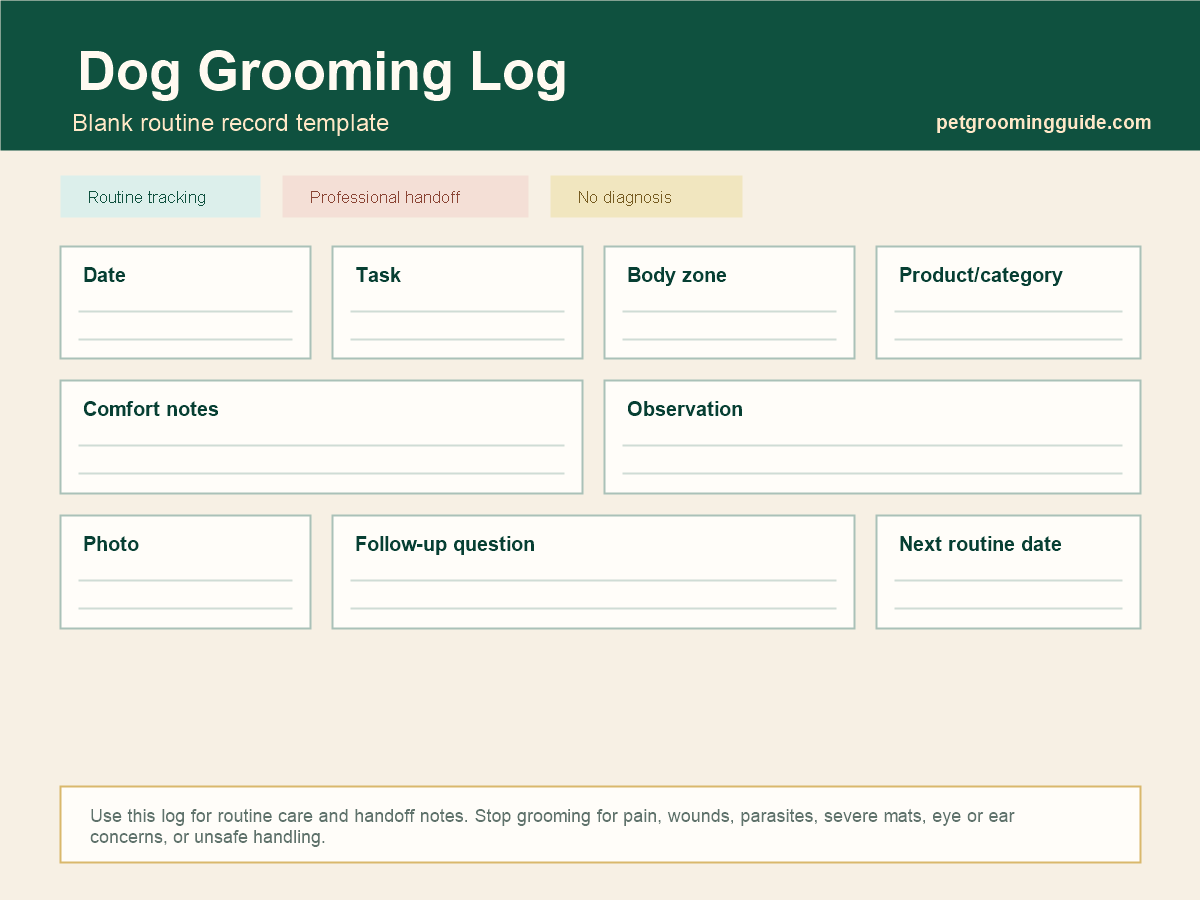
    Blank dog grooming record template with fields for date, task, body zone, product category, comfort notes, observations, photo, follow-up question, and next routine date.
    Blank dog grooming log template for routine notes and professional handoff questions.
    DateTaskBody zoneGeneric product/categoryComfort notesObservationPhoto?Follow-up questionNext routine date


    Fictional Routine Sample

    This sample is fictional and routine only. It is not a medical example, treatment plan, or product test.
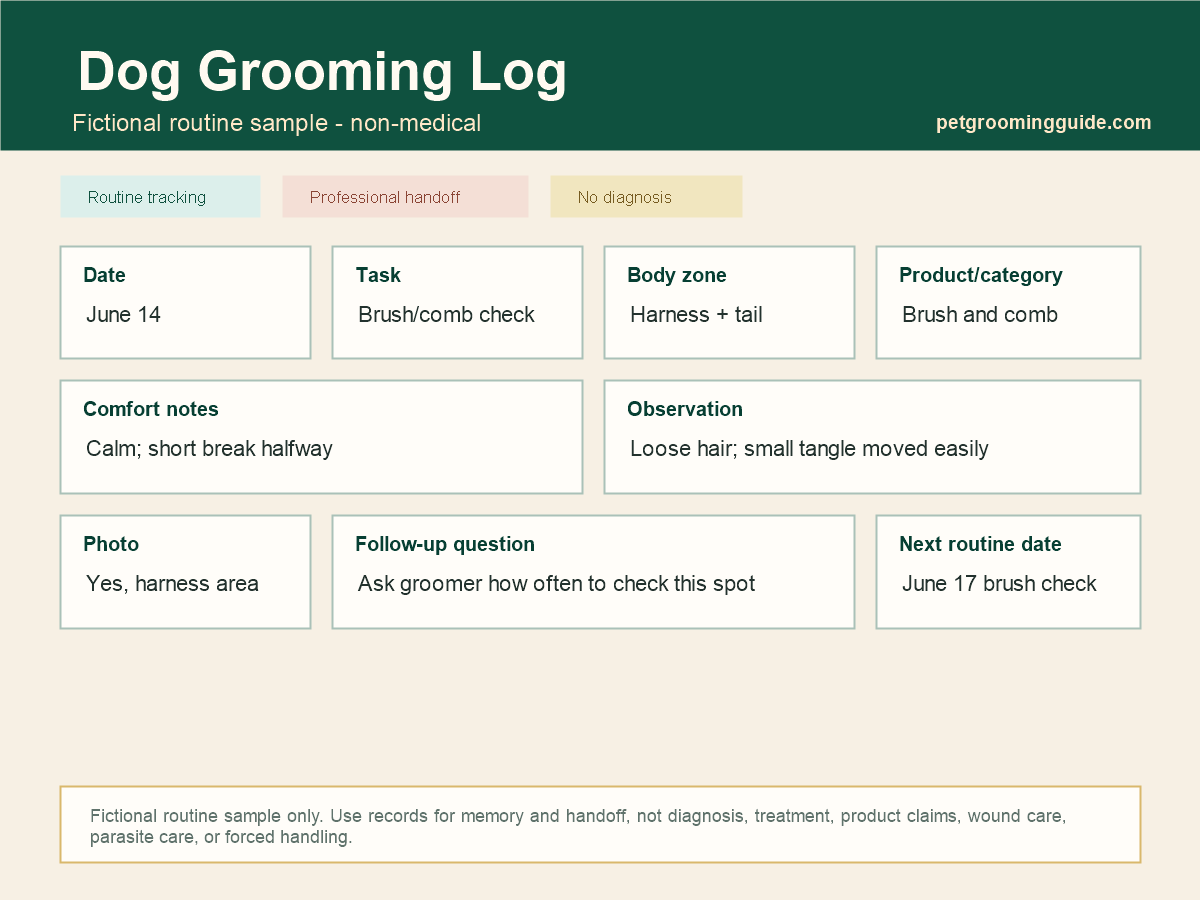
    Fictional routine dog grooming log with bath, brush, nail, and paw notes that avoid diagnosis or treatment.
    Fictional routine sample showing how to keep grooming notes factual and non-medical.
    DateTaskBody zoneGeneric product/categoryComfort notesObservationPhoto?Follow-up questionNext routine date
    June 14Brush and comb checkHarness area and tailSlicker brush and combCalm; short break halfwayLoose hair; small harness-area tangle moved easilyYes, harness areaAsk groomer how often to check this spotJune 17 brush check
    June 18Paw wipeFront pawsDamp clothPulled right paw away; stopped earlyMud between toes after walkNoTry shorter paw handling next routine if calmJune 20 paw check

    FAQ

    What should I write in a dog grooming record?

    Write the date, task, body area, generic product or tool category, comfort notes, routine observation, photo note, follow-up question, and next routine date. Keep the wording factual.

    Should I track shampoo or grooming products?

    Track generic product categories so you remember the routine. Do not use the record to diagnose allergies, prove product cause, or choose treatment.

    Are photos useful for grooming records?

    Yes. Routine photos can show coat length, tangle-prone spots, paw debris, nail length, and areas to ask a groomer or veterinarian about. They should support a professional conversation when signs are not routine.

    Can a grooming log help my vet or groomer?

    Yes. A clear timeline can help a groomer see where you stopped and can help a veterinarian understand when signs appeared. The log is a communication aid, not a diagnosis.

    When should I stop grooming and call a professional?

    Stop for pain, severe mats, wounds, parasites, bleeding, swelling, discharge, eye or ear concerns, worsening skin signs, panic, aggression, or bite risk. Call a veterinarian, professional groomer, or qualified trainer depending on the concern.

    Bottom Line

    A good dog grooming record is short, plain, and safe. Track routine care, note where your dog was comfortable, save photos when they help, and use the log to ask better questions. When the notes point to pain, skin changes, ear or eye concerns, severe mats, parasites, wounds, or unsafe handling, stop grooming and call a professional.
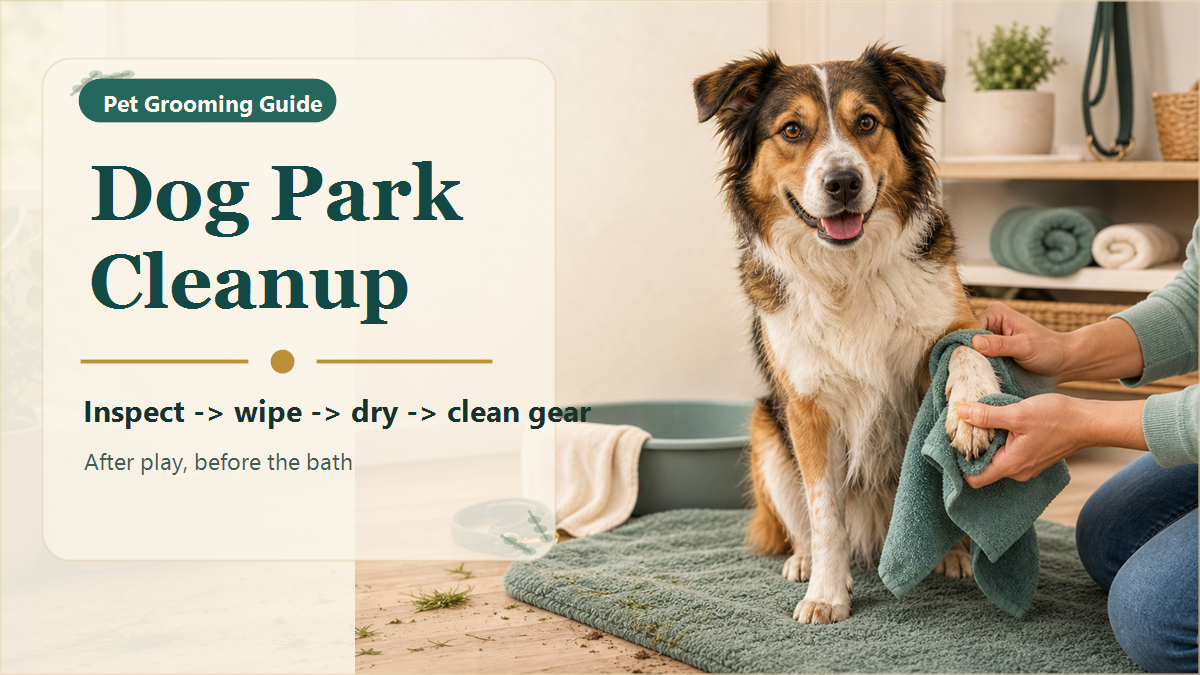
  • Dog Grooming After Dog Park

    Dog Grooming After Dog Park

    After the dog park, check your dog before you bathe. Look at movement, paws, belly, tail, collar areas, outer ear flaps, coat, odor, and behavior. If everything looks routine, wipe or rinse dirty spots, bathe only if needed, dry well, clean the gear, and write down anything you may need to watch later.

    Stop grooming and contact a veterinarian or qualified professional if you find wounds, punctures, bleeding, swelling, parasites or suspected parasites, limping, coughing, vomiting, diarrhea, weakness, pain, severe mats, panic, aggression, or handling that is no longer safe. This guide is for routine cleanup and inspection only. It does not cover bite care, wound care, parasite removal, parasite treatment, disease diagnosis, pain management, severe-mat cutting, or forced handling.

    Quick Post-Park Cleanup Plan

    StepWhat to doWhen to stop
    Inspect firstCheck movement, paws, belly, tail, collar area, outer ear flaps, coat, odor, and behavior.Stop for pain, limping, wounds, parasites, illness signs, panic, or unsafe handling.
    Clean routine dirtWipe paws and belly, brush out loose dry debris, or bathe if dirt and odor are spread through the coat.Stop if the dog flinches, guards the area, or the coat is tightly matted.
    Dry thoroughlyTowel dry and check damp areas near the belly, armpits, tail base, collar area, and paw feathering.Stop if drying causes panic or handling risk.
    Clean gearWash towels and blankets. Clean collars, leashes, toys, bowls, and washable covers by label directions.Keep pets away from unsafe cleaners and wet surfaces.

    Check Before Water or Brushing

    A dog park visit can leave dirt, grass, shared-water odor, loose debris, and excitement behind. A short inspection helps you decide whether normal cleanup is enough or whether grooming should stop.

    Start while your dog is standing or resting calmly. Watch the walk from the car or gate to the house. Check whether your dog is bearing weight normally, breathing normally, and willing to be touched in the usual places.

    The CDC dog health guidance supports handwashing after handling dogs or their supplies and routine veterinary care. For this page, that source is used as a public-health boundary, not as disease or treatment advice.

    Where Debris Hides After the Dog Park

    Dog park dirt often collects in the same areas. Check these places before you decide on a wipe, rinse, bath, or full stop:

    • Between toes and paw pads.
    • Around nails and dewclaws.
    • Belly, armpits, and chest.
    • Tail base and hind legs.
    • Collar, harness, and leash-contact areas.
    • Outer ear flaps, especially on long-eared dogs.
    • Feathering, furnishings, and long coat edges.

    For routine paw dirt, the how to clean dog paws after walk guide gives a more detailed paw-only routine. After a dog park visit, keep the wider body check too, because paws are only one part of the cleanup.

    When a Wipe Is Enough

    A quick wipe is usually enough when dirt is limited to paws, belly, or the coat surface, the dog smells mostly like outdoors, and the dog is calm. Use a damp towel or cloth, clean the dirty areas, and dry between toes and coat folds where moisture can linger.

    Do not turn a wipe into digging, scraping, or repeated rubbing over a sore spot. If the dog pulls away, flinches, growls, snaps, freezes, or repeatedly tries to escape, stop. For more handling boundaries, see dog grooming anxiety signs.

    When a Bath Makes Sense

    A bath can make sense when mud, shared-water residue, or outdoor odor is spread through the coat and your dog has no stop signs. Keep the bath ordinary: lukewarm water, gentle handling, careful rinsing, and thorough drying.

    ASPCA dog grooming tips support routine brushing, bathing, rinsing, and drying. After the dog park, those steps should stay in the routine-grooming lane. Do not use bath time to manage wounds, parasites, pain, severe mats, or illness signs.

    Shared Water, Mud, Odor, and Gear

    If your dog played in shared water, rolled in mud, or used a high-traffic area, clean the dog and the gear. Wipe or rinse paws and belly, brush dry debris when it moves easily, and wash towels, blankets, and washable covers.

    Clean collars, leashes, toys, bowls, crates, and other supplies according to their labels. CDC cleaning guidance for pet supplies supports label-following and keeping pets away from unsafe cleaning products. Routine cleaning lowers mess and odor, but this article does not claim it prevents every infection or parasite risk.

    Bite, Parasite, and Illness Stop Signs

    Some post-park findings are not grooming tasks. Stop and contact a veterinarian if you see bite marks, punctures, bleeding, swelling, parasites or suspected parasites, limping, stiffness, coughing, vomiting, diarrhea, weakness, eye irritation, ear pain, discharge, or sudden behavior change.

    An AVMA article on dog park parasite exposure supports treating dog parks as a possible exposure setting. This page uses that point only to explain why parasite concerns should be routed to veterinary guidance rather than handled as grooming cleanup.

    Low-Stress Order of Operations

    Use the least stressful cleanup that solves the routine problem. A delayed bath is better than forcing a tired or overstimulated dog through a long session.

    1. Let the dog settle.
    2. Inspect movement, coat, paws, and behavior.
    3. Stop for red flags.
    4. Wipe paws and belly first.
    5. Brush loose dry debris only when it moves easily.
    6. Bathe only if needed and safe.
    7. Rinse and dry thoroughly.
    8. Clean gear.
    9. Log concerns to discuss with a veterinarian or professional if they repeat or worsen.
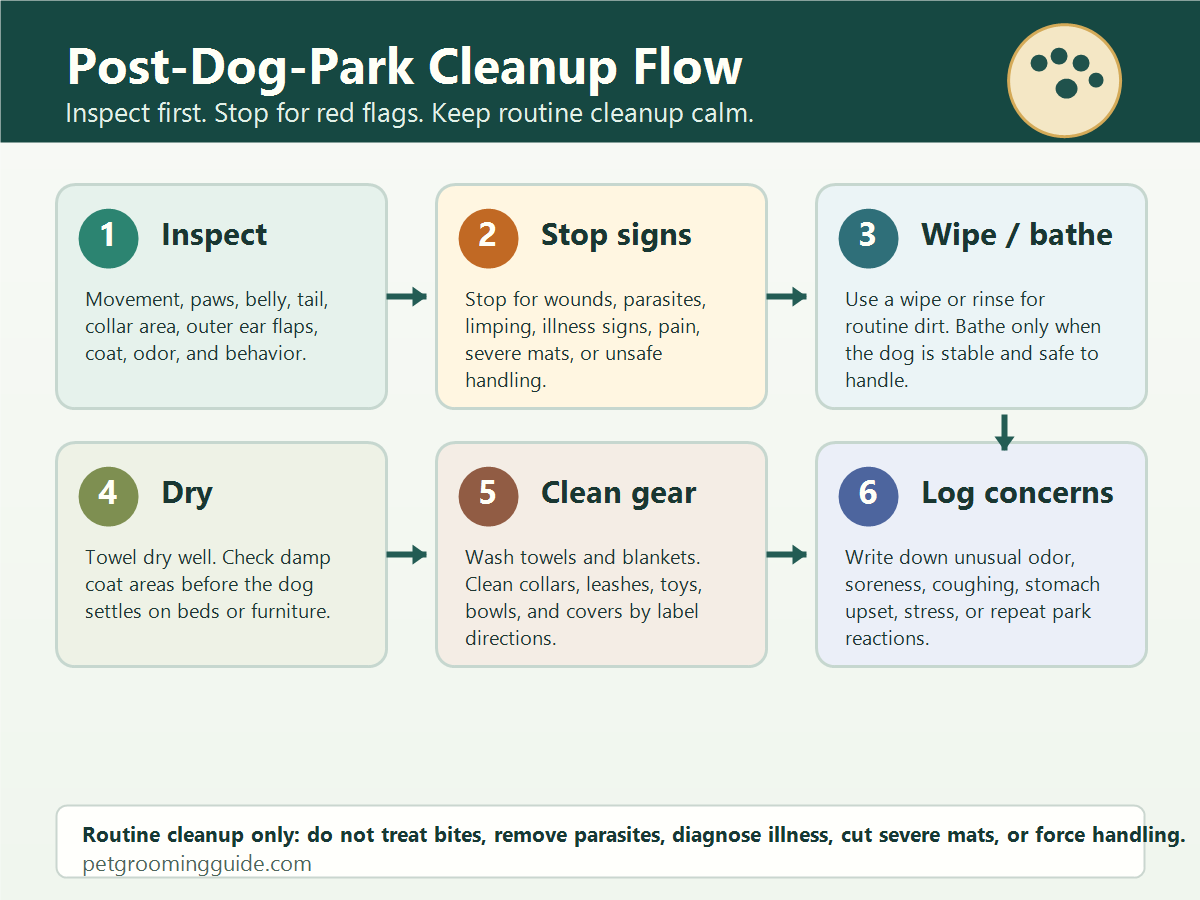
    Post-dog-park cleanup flow showing inspect, stop signs, wipe or bathe, dry, clean gear, and log concerns.
    Use the cleanup flow as a routine inspection card, not as medical, parasite, wound, mat-cutting, or handling-force advice.

    What to Write Down After Cleanup

    After the dog is clean and calm, note anything unusual: limping, soreness, odor, coughing, stomach upset, skin irritation, stress around handling, or a pattern after certain parks or playgroups. A simple note helps you decide whether the next visit needs a shorter play session, a different cleanup setup, or veterinary guidance.

    Bottom Line

    Dog grooming after dog park visits should stay simple: inspect first, stop for red flags, clean routine dirt, dry well, clean gear, and track concerns. Do not treat wounds, remove parasites, diagnose illness, manage pain, cut severe mats, or force handling as part of grooming.

    FAQ

    Should I bathe my dog after the dog park?

    Only if a wipe or brush-out is not enough and your dog has no wounds, parasites or suspected parasites, limping, illness signs, severe mats, pain, distress, or unsafe-handling concerns.

    What should I check after a dog park visit?

    Check paws, belly, tail, coat, collar area, outer ear flaps, movement, breathing, behavior, and odor. Stop for wounds, punctures, parasites, limping, coughing, vomiting, diarrhea, pain, or distress.

    How do I clean muddy paws after the dog park?

    Use a calm paw wipe or rinse for routine mud, then dry between toes. If there is bleeding, swelling, pain, puncture, limping, or embedded material, contact a veterinarian.

    What if I find a bite mark or parasite?

    Stop grooming and contact a veterinarian. This article does not provide bite care, wound care, parasite removal, parasite treatment, diagnosis, or pain management.

    Should I wash dog park gear?

    Yes. Wash or clean leashes, collars, bowls, blankets, towels, toys, and washable gear according to labels, and keep pets away from unsafe cleaners.

    Sources

  • Dog Grooming Bathroom Setup

    Dog Grooming Bathroom Setup

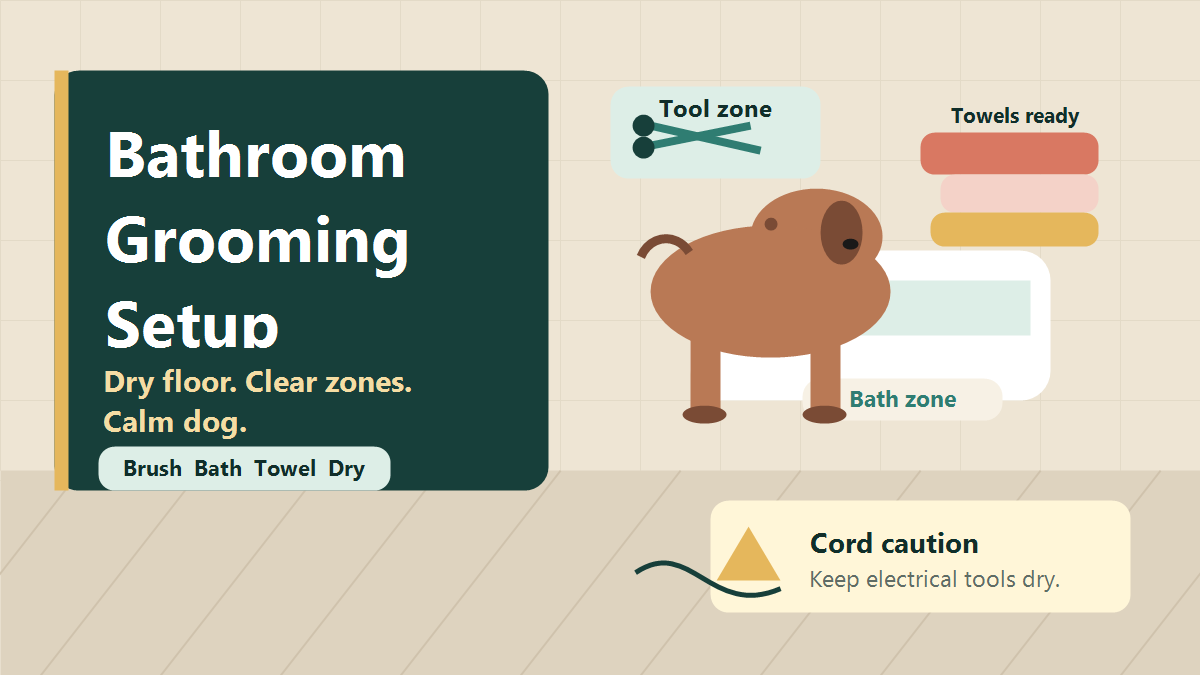
    A safer dog grooming bathroom setup has clear zones before the dog enters the room: brush, bath, towel, drying, tools, drain awareness, and cleanup. Keep the floor dry where people walk, keep cords and electrical tools away from splash or standing water, leave the exit and airflow open, and stop if the dog cannot be handled calmly.

    This setup is for ordinary at-home grooming logistics. It is not a fix for panic, pain, wounds, severe mats, parasites, breathing trouble, or unsafe handling. In those cases, pause and use a veterinarian or qualified groomer.

    Set the Bathroom Before the Dog Comes In

    Bathroom grooming gets harder when towels, tools, and cleanup supplies are scattered. Set the room first so the dog spends less time waiting on a wet, cramped, or slippery surface.

    1. Clear the floor and exit path.
    2. Stage towels where you can reach them without stepping away.
    3. Keep brushes, combs, and other grooming tools outside splash zones.
    4. Check footing in the brush, bath, towel, and drying areas.
    5. Keep cords, chargers, dryers, and clippers away from water.
    6. Confirm ventilation and a calm route out of the room.

    The ASPCA dog grooming tips support brushing before bathing and using a practical bath setup with warm water. Wet floors and clutter are also basic safety hazards; OSHA slip, trip, and fall guidance supports keeping walking surfaces clean, dry, and clear.

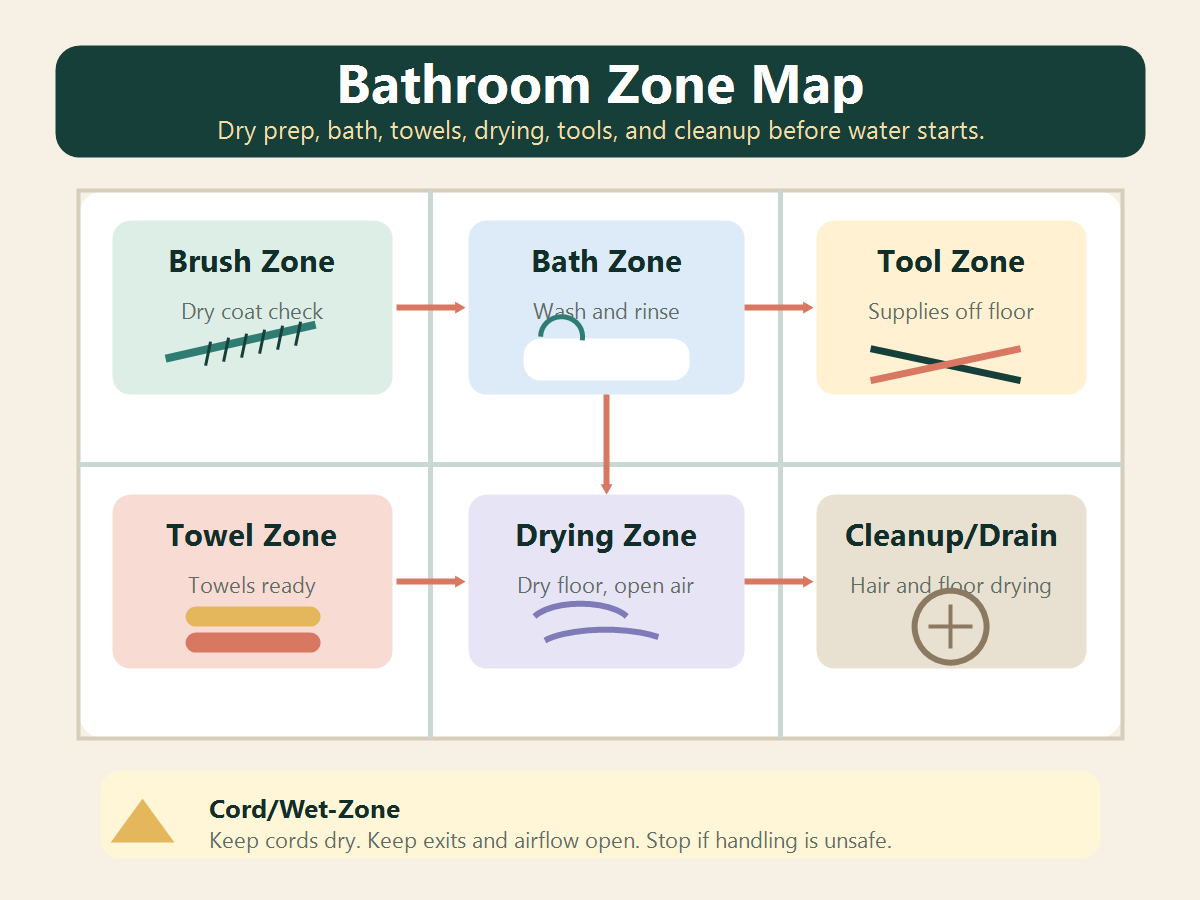
    Bathroom zone map for dog grooming showing brush, bath, towel, drying, tool, cleanup, drain, and cord wet-zone caution areas.
    Use this zone map as a quick check: dry prep first, keep bath/towel/drying/tools/cleanup separate, and keep cords out of wet zones.

    Think of the bathroom as a short workflow, not one crowded wet area. The goal is to move from dry coat work to bath, towel, drying, and cleanup without crossing cords through water or blocking the dog's exit path.

    ZonePurposeSetup note
    Brush zoneRemove loose coat and check for tangles before waterKeep it dry and away from tub splash.
    Bath zoneWet, wash, and rinseUse stable footing and do not lift a dog into a setup you cannot control safely.
    Towel zoneFirst dry-off step before the dog shakes water across the roomStack towels before the dog is wet.
    Drying zoneTowel drying and comfortable airflow when appropriateKeep cords away from standing water and away from the exit path.
    Tool zoneBrushes, combs, nail tools if used, and grooming suppliesKeep tools organized and out of the dog's walking path.
    Cleanup and drain zoneHair capture, drain awareness, floor drying, and suppliesClean hair and water before they become slip or clog problems.

    Small, Medium, and Large Dog Setup Notes

    Small dogs may fit in a sink or low tub only when lifting is easy, the surface is secure, and the dog stays calm. Keep one hand free for steady support and never leave the dog perched near an edge.

    Medium dogs usually need more towel staging and a clear turn-around path. If the dog bumps into cabinets, blocks the door, or cannot stand comfortably, the room is not set up well enough for a calm session.

    Large dogs need more floor space, more towels, and a plan that does not depend on awkward lifting. If the bathroom forces you to pull, drag, hoist, or trap the dog, choose a different setup or use professional help. For no-tub alternatives, see dog grooming without a bathtub.

    Footing and Floor Control

    Footing matters in every zone, not just inside the tub. A dog that slips may panic, twist, scramble, or resist the next bath. Keep the standing surface stable, dry the walking path as you go, and remove laundry, bottles, cords, and loose supplies from the floor.

    Do not block the doorway with towels, bins, stools, or a closed-in drying setup. The dog and handler both need a clear way out if the session has to stop quickly.

    Cord and Water Separation

    Keep electrical tools, chargers, and cords outside wet zones. UL Standards & Engagement discusses the risk of electric grooming appliances near water and safety measures such as GFCI protection. This article does not give electrical work or wiring advice.

    Do not run cords across wet floors, into splash zones, under towels, or through the dog's exit path. If you cannot keep the drying area dry and controlled, towel dry first and move the dog to a safer ventilated area before using airflow.

    Drying Zone

    The drying zone should be dry, ventilated, and calm. Start with towels. If airflow is used, keep it comfortable, keep the dog on secure footing, and stop for panic, coughing, breathing trouble, overheating signs, or unsafe handling. For more drying detail, use how to dry a dog after a bath.

    Do not crowd the drying zone with closed doors, blocked vents, wet cords, or piles of towels on the floor. A dry path out of the room matters as much as the drying tool itself.

    Cleanup Flow

    Cleanup is part of the setup. Plan for hair capture, towel placement, drain awareness, floor drying, and tool storage before you start. The CDC home cleaning guidance supports cleaning first and following product labels when using cleaning or disinfecting products.

    Keep cleaners away from pets, avoid mixing products, and let surfaces dry before the dog returns to the room. If the dog has parasites, wounds, discharge, or signs of infection, routine bathroom cleanup advice is not enough; ask a veterinarian or qualified professional.

    When to Stop

    Stop the session if the dog panics, becomes aggressive, has breathing trouble, shows pain, has wounds, has severe mats, has parasites, cannot stand securely, or cannot be handled without force. Stop as well if the room setup creates electrical, ventilation, slipping, lifting, or blocked-exit risk.

    A paused session is better than pushing through a bathroom setup that has become unsafe.

    Bottom Line

    A good dog grooming bathroom setup separates dry prep, bath work, towels, drying, tools, drain awareness, and cleanup before water starts running. Keep floors and exits clear, keep cords away from wet zones, use calm handling, and stop for pain, panic, breathing trouble, severe mats, parasites, wounds, or any setup you cannot control safely.

    FAQ

    What should I set up before bathing my dog in the bathroom?

    Set towels, secure footing, grooming tools, a clear exit path, drying space, and cleanup supplies before the dog enters the room.

    Where should grooming tools go in a bathroom setup?

    Keep brushes, combs, nail tools, dryers, chargers, and cords outside splash zones and out of the dog's walking path.

    Can I use a dryer in the bathroom?

    Only if the setup keeps electrical tools and cords away from water, the floor is dry and secure, ventilation is open, and the dog tolerates airflow calmly.

    Is a bathroom setup enough for every dog?

    No. Dogs with panic, aggression, breathing trouble, pain, wounds, severe mats, parasites, or unsafe handling needs should be routed to a veterinarian or qualified groomer.

    Sources

  • Dog Grooming in a Small Apartment

    Dog Grooming in a Small Apartment

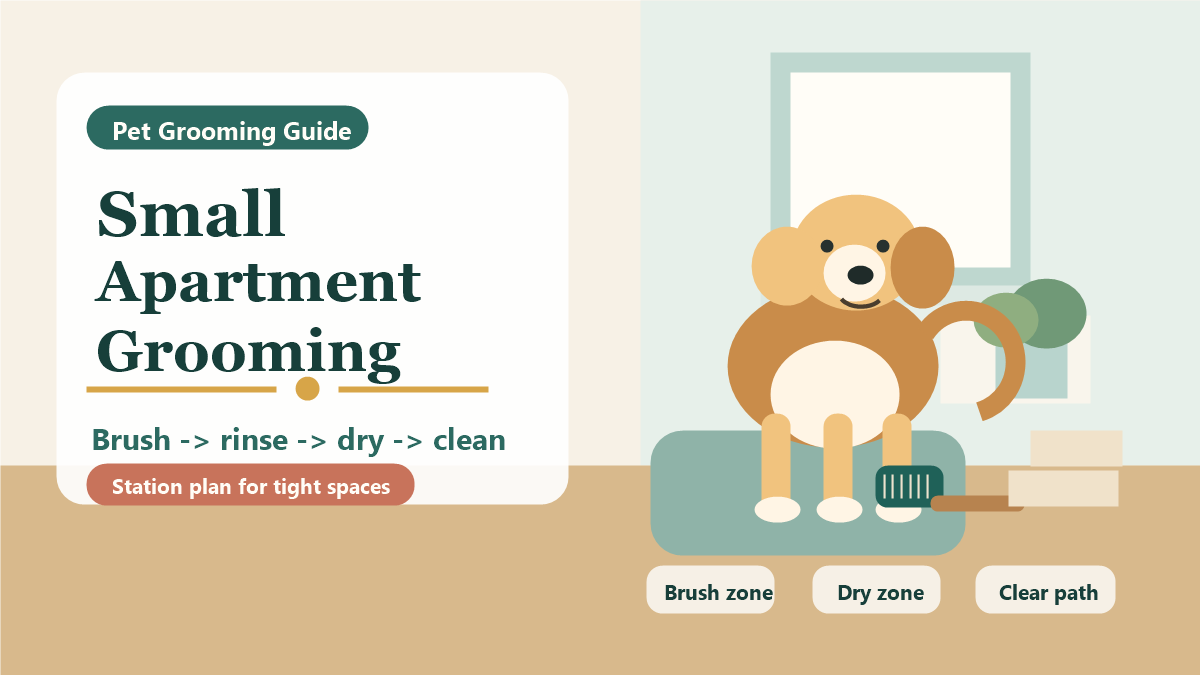
    Dog grooming in a small apartment works best when you set up stations before you start: brush first, contain loose hair, clean only what needs cleaning, dry with airflow and ventilation, then clear the floor, drains, towels, and tools. The goal is not a no-mess promise. It is a calmer path through a tight space.

    Stop before you begin if your dog is too large to handle safely in the space, the floor is slippery, ventilation is poor, or the dog has severe mats, wounds, pain, panic, biting risk, heat or cold stress, or medical fragility. In those cases, use a professional groomer or veterinarian instead of forcing a home session.

    Quick Answer: The Small-Apartment Grooming Plan

    StationWhat happens thereSmall-space rule
    Brush zoneLoose hair, coat check, small painless tangles onlyBrush before water so less hair reaches the bath area.
    Bath or wipe zonePaw rinse, wipe-down, shower, or safe basin when neededUse the smallest safe cleaning method for the mess.
    Drying zoneTowels first, then airflow if the dog tolerates itKeep air moving and avoid high heat in a closed space.
    Storage zoneTowels, brush, comb, cloths, waste bags, and cleanup toolsKeep tools off the floor and out of the dog’s path.
    Cleanup pathHair, drains, wet floors, towels, tools, and handsClean after the dog is settled so you are not dividing attention.
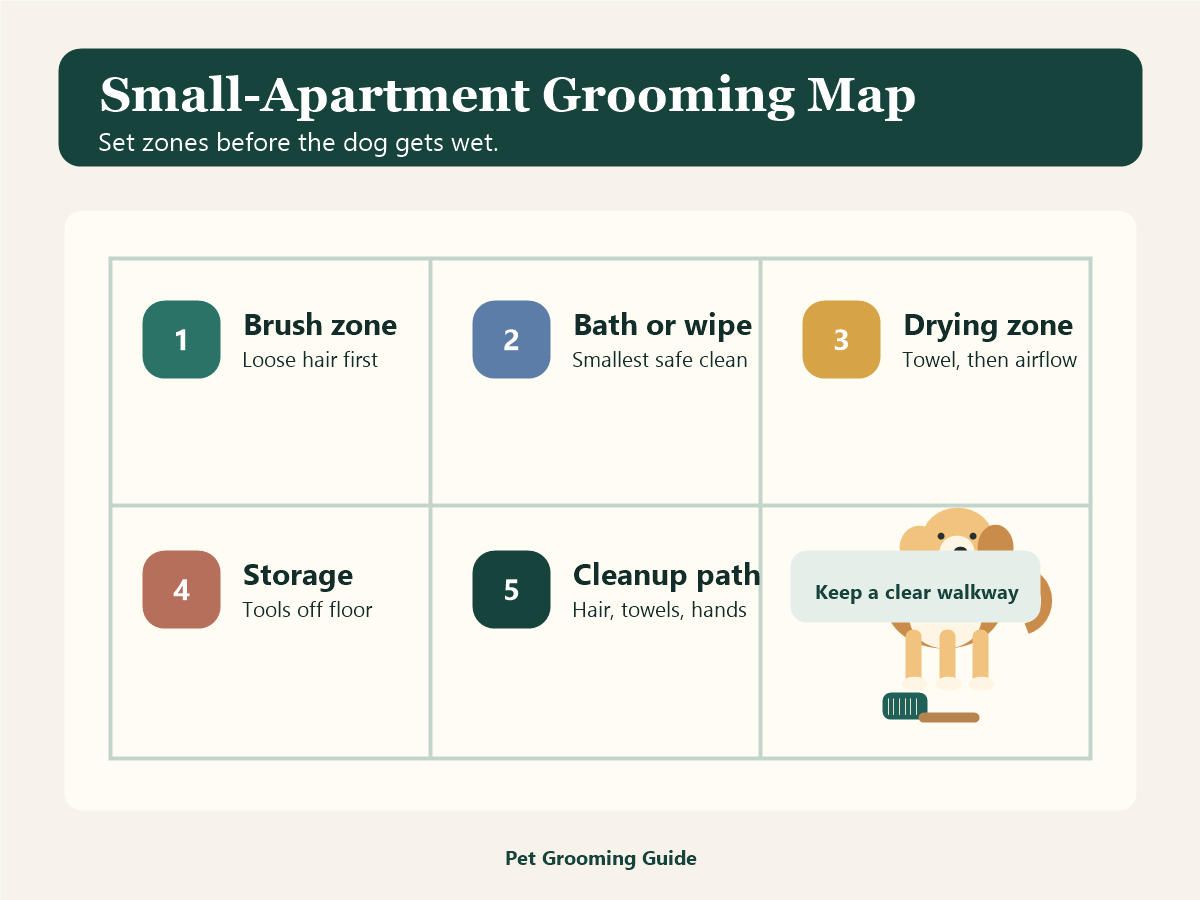
    Station map for dog grooming in a small apartment showing brush, bath or wipe, drying, storage, and cleanup path zones.
    Use this station map before the dog gets wet: brush first, pick the smallest safe clean, dry with ventilation, keep tools off the floor, then clean hair, towels, and hands.

    Plan the session like a short route through the apartment, not like one crowded grooming spot. A simple order is brush zone, bath or wipe zone, drying zone, storage zone, then cleanup path. For the broader sequence of home grooming tasks, see dog grooming order of operations.

    Keep one clear walking path for you and the dog. Move stools, loose rugs, cords, laundry baskets, and open bottles before the coat is wet. Put towels and cleanup cloths where you can reach them without stepping over the dog.

    If the apartment layout makes you turn, lift, restrain, or dry the dog in a way that feels unsafe, shrink the job. A wipe-down, paw rinse, or separate brush session may be the right answer.

    Brush Zone: Control Hair Before Water

    Start with brushing or a coat check when the coat allows it. The ASPCA dog grooming tips recommend brushing before bathing to remove dead hair and mats. In an apartment, that same step also helps keep loose coat from spreading into the bath and drying areas.

    Pick a spot with traction and enough room for the dog to stand naturally. A washable mat, towel, or easy-clean floor area can work if it does not slide. Keep a bag or bin nearby for hair from the brush, but do not let the dog step around loose hair piles or tools.

    Do not brush over painful skin, wounds, severe mats, or tight hair close to the skin. Do not keep working because the apartment is already set up. The coat check is allowed to end the session.

    Bath Or Wipe-Down Zone

    Use the smallest safe cleaning method that fits the mess. Light dirt may need only a paw rinse or wipe-down. A fuller bath may fit better in a shower, tub, or safe basin, depending on your dog and your space. If you do not have a tub, the dog grooming without a bathtub guide covers no-tub options.

    Before water starts, check footing. Slippery tile, narrow corners, unstable basins, and unsafe lifting are bigger problems in a small apartment because there is less room to recover if the dog slips or bolts.

    Keep water lukewarm, avoid spraying into the ears, eyes, and nose, and rinse carefully. Do not turn a cramped bathroom into a restraint area. If the dog panics, freezes, snaps, repeatedly tries to escape, or cannot stand safely, stop.

    Drying Zone: Airflow, Noise, And Ventilation

    Towel first, then use airflow only if the dog tolerates it. The AKC drying guide explains that airflow, not heat, dries fur, and that heat can burn skin. That matters in small rooms where heat, humidity, and noise build quickly.

    Do not run a dryer in a closed, poorly ventilated space. Open a safe ventilation path if you can, keep the dryer moving, and avoid aiming hot air close to the skin.

    Stop drying if the dog is distressed, the room feels hot or stuffy, the floor gets slippery, or you cannot keep the dryer, towels, and dog under calm control.

    Storage And Spill Control

    Small apartments reward setup. Before you start, place towels, brush, comb, cleanup cloths, waste bags, and any needed rinse supplies within reach. Close bottles when they are not in your hand. Keep sharp tools, cords, and slick containers off the floor.

    Do not stack supplies in the dog’s exit path. If the dog needs a break, you should be able to move away from the grooming zone without stepping over wet towels, cords, or loose tools.

    Cleanup Checklist For Small Spaces

    Clean after the dog is safe and settled. The CDC guidance on healthy dogs includes cleanup and handwashing as basic ways to reduce germ spread around dogs. In an apartment, cleanup also keeps wet floors, loose hair, and used towels from becoming the next problem.

    • Collect loose hair from the brush zone.
    • Check the bath or rinse area for hair and residue.
    • Remove hair from the drain catcher if one was used.
    • Wipe obvious water from floors before anyone walks through.
    • Set towels aside for washing or drying.
    • Clean brushes, combs, and rinse tools, then let them dry.
    • Wash your hands after handling hair, towels, drains, or cleanup cloths.

    Stop Signs And When To Use A Pro

    A small apartment can make a hard grooming session harder. Stop and use a professional groomer, veterinarian, or qualified handler if the dog has severe or widespread mats, wounds, painful skin, unsafe mobility, panic, biting risk, heat or cold stress, breathing distress, or medical fragility.

    Use a professional groomer for coat work that needs safer handling, better equipment, or skill beyond a basic home session. Use a veterinarian for wounds, raw skin, ear discharge, eye injury, limping, pain, parasites, bad odor from skin or ears, breathing trouble, heat stress, or sudden behavior change.

    Bottom Line

    For dog grooming in a small apartment, set the route before the dog is wet: brush zone, bath or wipe zone, drying zone, storage zone, and cleanup path. Keep footing secure, keep air moving, keep tools off the floor, and stop as soon as the space or the dog no longer feels safe.

    FAQ

    How do you groom a dog in a small apartment?

    Use stations. Brush first, choose a safe bath or wipe-down area, dry with towels and airflow, store tools off the floor, then clean hair, drains, floors, towels, tools, and hands.

    How do you control dog hair while grooming indoors?

    Brush before water, keep one planned brush zone, collect loose hair before moving to the bath area, and clean the floor after the dog is settled.

    How do you dry a dog in an apartment?

    Towel first, then use airflow with ventilation if the dog tolerates it. Avoid high heat, closed rooms, slippery floors, and drying setups that make the dog panic.

    Can you groom a dog without a bathtub?

    Yes, for some dogs and messes. A wipe-down, paw rinse, shower, or safe basin may work, but the setup still needs traction, space, calm handling, and a safe cleanup path.

    When is a small apartment unsafe for dog grooming?

    It is unsafe when footing is poor, ventilation is blocked, lifting is risky, the dog cannot be handled calmly, or there are medical, pain, matting, heat, breathing, or behavior stop signs.

    Sources

  • Dog Grooming Without a Bathtub

    Dog Grooming Without a Bathtub

    You can groom a dog without a bathtub by choosing the safest setup for the dog, the mess, and the room you have. Small dogs may use a sink only when lifting is easy and the surface is secure. Many dogs do better in a shower, with a paw rinse or wipe-down, or with a professional bath. Outdoor rinsing is only a mild-weather option when footing, water control, and handling are safe.

    Do not turn a no-tub problem into a handling problem. Stop and get help if the dog is too heavy to lift, slips, panics, bites, has severe mats, has wounds or skin irritation, shows pain, has chemical residue on the coat, or cannot be handled calmly.

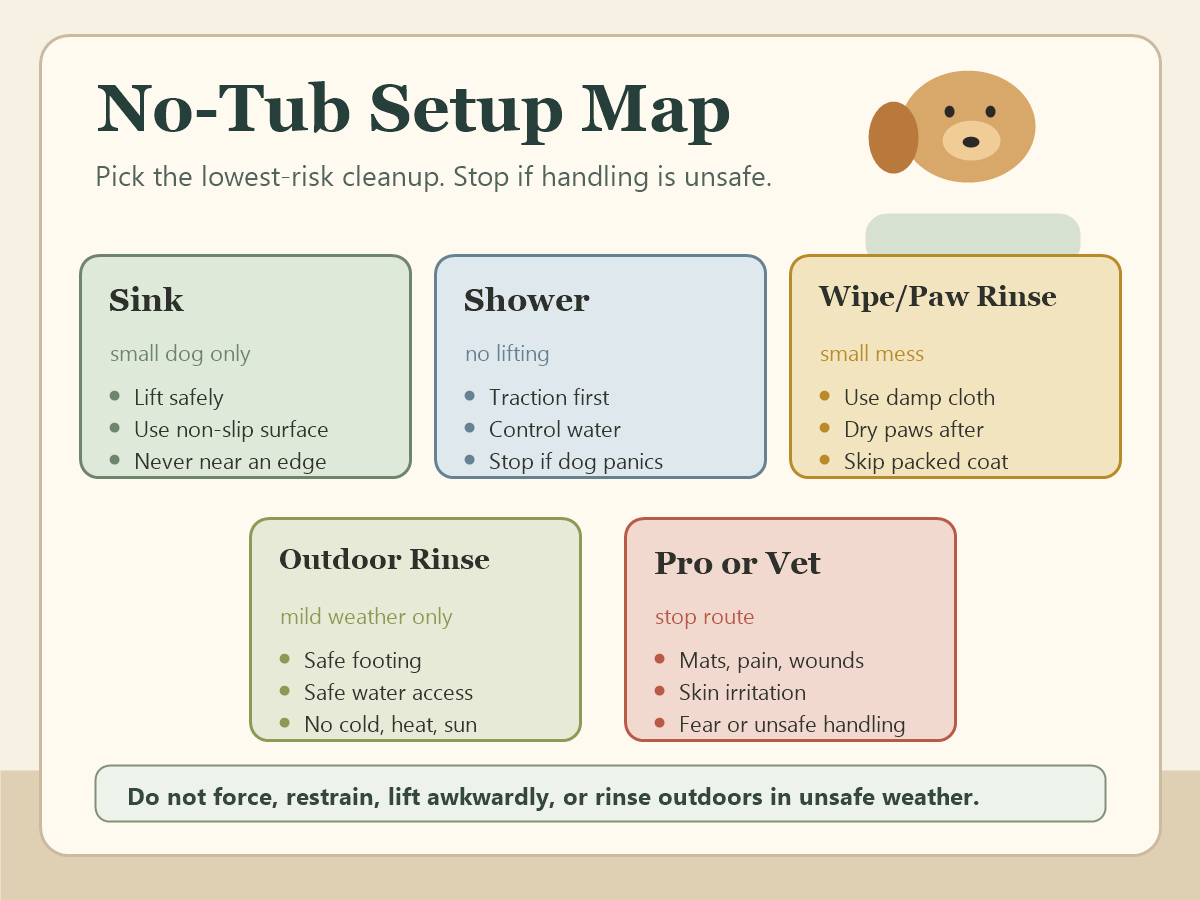
    No-tub setup map for dog grooming showing sink, shower, wipe or paw rinse, outdoor rinse, and pro or vet stop route.
    Use this setup map to pick the lowest-risk cleanup route. Stop for unsafe lifting, slipping, pain, mats, wounds, skin irritation, fear, or unsafe weather.
    SituationBetter optionSkip it when
    Small dog, safe lift, steady surfaceSink setupThe dog is heavy, jumpy, slippery, panicked, or near an edge.
    Medium or larger dog with bathroom accessShower setupThe floor is slick, water control is poor, or the dog tries to flee.
    Small mess on paws, belly, or coat surfaceWipe-down or paw rinseMud is packed in, the coat is matted, or the skin looks sore.
    Mild weather, secure footing, controlled waterOutdoor rinseIt is cold, hot, icy, windy, directly sunny, slippery, or hard to control the dog.
    Large, fearful, painful, matted, or medically fragile dogProfessional bath, groomer, or veterinarianHome grooming would require force, awkward lifting, restraint, or guesswork.

    Sink Setup: Small Dogs Only When the Lift Is Safe

    A sink can work for a small dog when the handler can lift the dog comfortably, the sink area is uncluttered, and the dog can stand on a non-slip surface without leaning near an edge. Keep towels within reach before you start, and use lukewarm water rather than hot water. If you are unsure what lukewarm should feel like, review dog bath water temperature before the bath.

    Brush or check the coat first. The ASPCA dog grooming tips recommend brushing before bathing and keeping water away from a dog’s ears, eyes, and nose. Use a cup, pitcher, or controlled sprayer rather than blasting water at the face.

    Skip the sink if the lift feels awkward, the dog stiffens or scrambles, the counter is crowded, or you would need to hold the dog in place by force. A sink bath should feel lower-risk than the alternatives. If it does not, use a shower, wipe-down, or professional bath.

    Shower Setup: Traction First, Water Control Second

    A shower is often better than a sink for dogs that should not be lifted. Set up the floor first with secure traction. Put towels where you can reach them without stepping away from the dog. Use a handheld sprayer, cup, or pitcher so you can keep water controlled and away from the face.

    Keep the water warm, not hot, and rinse thoroughly. The SF SPCA at-home grooming guidance supports warm water and complete rinsing during home baths. For mistakes to avoid before, during, and after the bath, see dog bathing mistakes.

    Stop the shower setup if the dog cannot stand securely, repeatedly tries to leave, freezes, snaps, or becomes too distressed to continue calmly. Do not solve poor footing with more restraint.

    Wipe-Down or Paw Rinse for Small Messes

    Not every mess needs a full bath. Light dirt on paws, belly fur, or the coat surface may be easier to handle with a damp cloth, warm washcloth, or short paw rinse. This keeps the session brief and avoids turning a small cleanup into a stressful full wash.

    The AKC clean dog paws guidance describes using dog-safe wipes or a warm soapy washcloth for muddy, sandy, or salty paws. For a dedicated routine, use how to clean dog paws after a walk.

    Skip a wipe-down if the coat is packed with mud, matted, sticky with an unknown substance, or sitting over red or painful skin. Those are not scrub-harder situations.

    Outdoor Rinse: Mild Weather Only

    An outdoor rinse is a narrow option, not the default no-tub answer. Use it only when the weather is mild, the footing is secure, water access is controlled, drainage is safe, and the dog stays calm. Keep the rinse short and bring the dog indoors to dry.

    Do not rinse outdoors in cold weather, hot weather, direct heat, icy conditions, high wind, poor footing, unsafe drainage, or any situation where the dog is hard to control. Do not use buckets or open containers in a way that creates slipping, lifting, or dumping risk. If the setup feels improvised in a bad way, choose a different cleanup path.

    Drying in a Small Space

    Dry with towels first. If you use airflow, keep it comfortable, keep ventilation open, and stop if the dog becomes frightened, overheated, or uncomfortable. The AKC drying guide notes that airflow does the drying and that heat can burn skin.

    Do not use high heat close to the skin, and do not send a damp dog into cold or hot outdoor conditions. For more detail, see how to dry a dog after a bath.

    When to Use a Groomer or Veterinarian

    Use a professional groomer when the dog is too large to handle safely, the coat is packed or matted, the dog is too fearful for calm home handling, or the bath setup would require force. Use a veterinarian for wounds, pain, bleeding, skin irritation, chemical exposure, heat or cold stress, or a medically fragile dog.

    If you are unsure whether the session should continue, the safer answer is to pause. The guide when to stop grooming and call a pro covers the stop signs that should end a home session.

    Conclusion

    The best no-bathtub grooming setup is the one that cleans the actual mess without adding lifting, slipping, weather, or handling risk. Use a sink only for small dogs when lifting and footing are safe, use a shower when traction and water control are good, choose a wipe-down for small messes, and keep outdoor rinsing limited to mild, controlled conditions. When the dog, coat, skin, or setup is not safe, stop and get professional help.

    FAQ

    How can I bathe my dog without a bathtub?

    Choose a sink, shower, wipe-down, paw rinse, mild-weather outdoor rinse, or professional bath based on dog size, coat condition, weather, footing, and handling safety.

    Can I wash my dog in the shower?

    Yes, if the floor has traction, the water is lukewarm, the dog can stand calmly, and you can keep water away from the ears, eyes, and nose.

    Is it safe to bathe a dog in a sink?

    Only for a small dog that can be lifted safely onto a steady non-slip surface. Skip the sink if lifting, balance, edge risk, or behavior is unsafe.

    Can I rinse my dog outside?

    Only in mild weather, on safe footing, with controlled water access and a calm dog. Do not rinse outside in cold, heat, direct sun, slippery conditions, or poor-control setups.

    When should I use a professional bath instead?

    Use a professional bath when the dog is too large, fearful, painful, matted, medically fragile, hard to handle calmly, or unsafe to lift or rinse at home.

    Sources

  • How to Introduce a Dog to Grooming Tools

    How to Introduce a Dog to Grooming Tools

    Introduce grooming tools by letting the dog notice the tool at a comfortable distance, rewarding calm behavior, and adding sound or contact gradually only in mild, safe cases. Stop for panic, aggression, bite risk, severe fear, pain, unsafe handling, sedation questions, or medically fragile dogs.

    This is gentle comfort-building for routine grooming tools. It is not behavior therapy, sedation advice, or a guarantee that home grooming will be safe for every dog.

    The Tool-Introduction Ladder

    VCA handling guidance supports starting with gentle handling and gradually adding tools. Best Friends guidance on grooming and vet handling also supports small, reward-based steps rather than forcing contact.

    StepGoalStop if
    SightDog notices the tool at a distanceAvoidance escalates
    SoundTool sound starts far away, if relevantStartle, panic, or fleeing
    Near bodyTool comes closer without contactTension or freezing
    Brief touchOne-second contact only if calmPulling away, growling, or pain
    Short sessionOne tiny grooming actionStress signs return
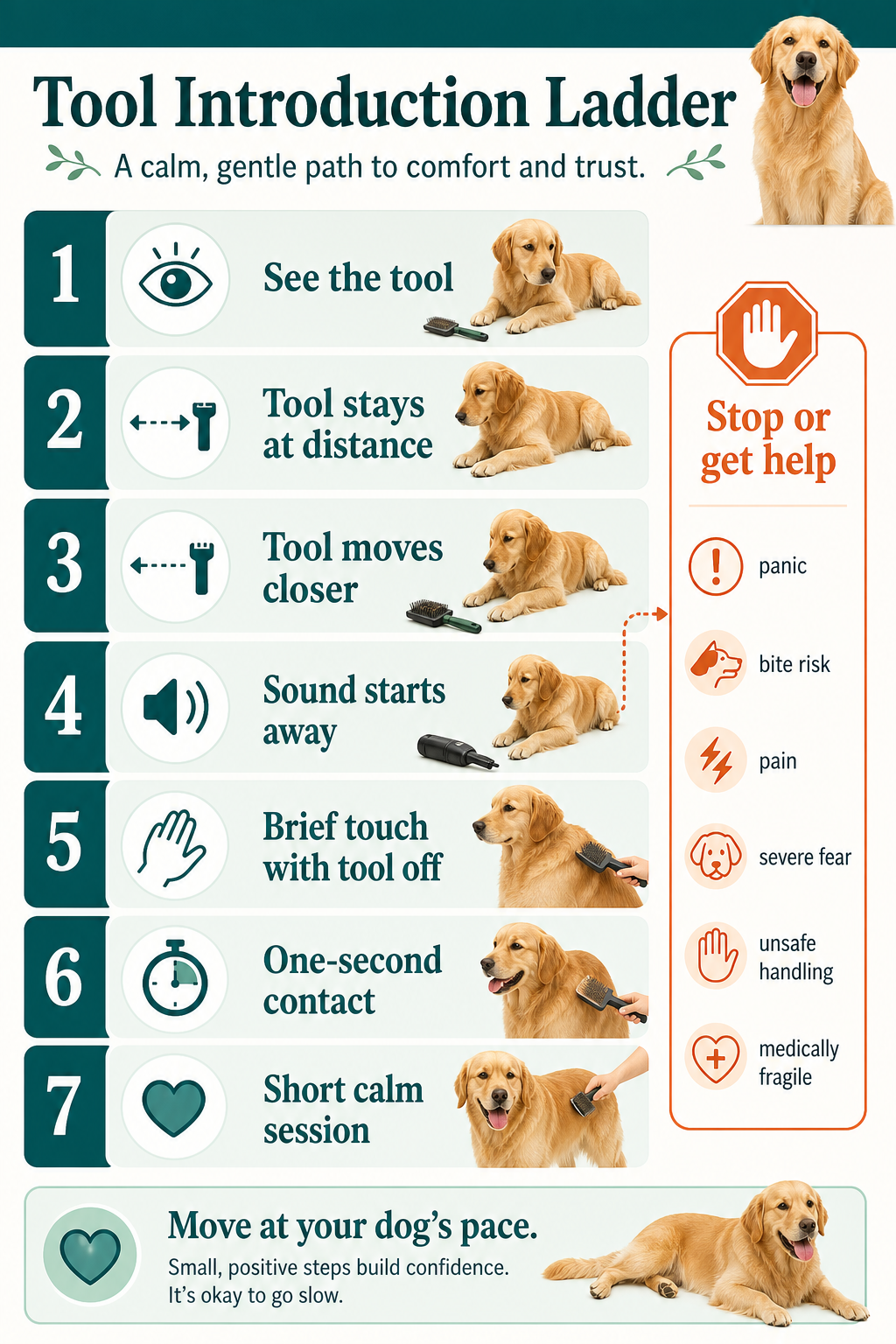
    Tool Introduction Ladder showing seven dog-only steps from seeing the tool at a distance to a short calm session, with stop or get-help signs.
    Use this ladder to keep distance, sound, touch, and stop points separate while introducing grooming tools.

    Start With Sight Before Sound or Touch

    Do not turn on a loud tool close to the dog as the first step. Let the dog see the brush, comb, nail tool, clipper, or dryer from a distance where they can stay calm. If the dog moves away, increase distance or stop for the day.

    VCA puppy handling guidance supports positive associations with clippers, grinders, and tool sounds. The same idea applies to adult dogs, but only when the dog is calm enough for the step.

    Brushes and Combs

    Let the dog see and sniff the brush or comb if calm. Touch an easy body area briefly before brushing. Stop if the dog freezes, moves away repeatedly, guards the area, or shows pain.

    Nail Clippers and Grinders

    Use nail-specific setup and stop-sign guidance for actual trimming. This page only covers mild tool introduction. Do not handle nails if the dog guards paws, panics, bites, limps, or appears painful.

    Clippers and Dryers

    For sound-based tools, distance matters. Start far enough away that the dog can stay calm. Dryer and clipper sounds should not be forced on a dog who is panicking or trying to escape.

    When to Pause, Step Back, or Stop

    VCA stress-free nail-trimming guidance supports pausing when stress signs appear. Pause for mild stress. Step back if the dog becomes tense or avoids the tool. Stop for panic, aggression, bite risk, severe fear, pain, unsafe handling, sedation needs, or medically fragile status.

    When to Call a Qualified Groomer, Trainer, or Veterinarian

    Use a veterinarian for pain, medically fragile dogs, sudden behavior change, or sedation questions. Use a qualified groomer for tools you cannot introduce safely. Use a qualified trainer for fear that goes beyond mild, calm exposure.

    FAQ

    How do I get my dog used to grooming tools?

    Start with distance and calm observation, then add sound or brief contact only if the dog stays relaxed.

    Should I turn on clippers near my dog right away?

    No. Start with the tool off or far away, then add sound gradually only in mild, safe cases.

    How do I introduce a dog to a dryer?

    Start at a distance, use low intensity where possible, and stop for noise distress or panic.

    What if my dog runs away from grooming tools?

    Stop. Running away means the setup is too hard or unsafe for that session.

    When should a professional help?

    Use a professional for panic, aggression, bite risk, severe fear, pain, unsafe handling, or medically fragile dogs.

    Bottom Line

    Start with the tool at a calm distance, add sound and touch only in tiny steps, and stop as soon as the dog shows that the setup is too hard. Grooming tools are easier to introduce when the dog still has room to feel safe.

  • Dog Grooming Anxiety Signs to Watch For

    Dog Grooming Anxiety Signs to Watch For

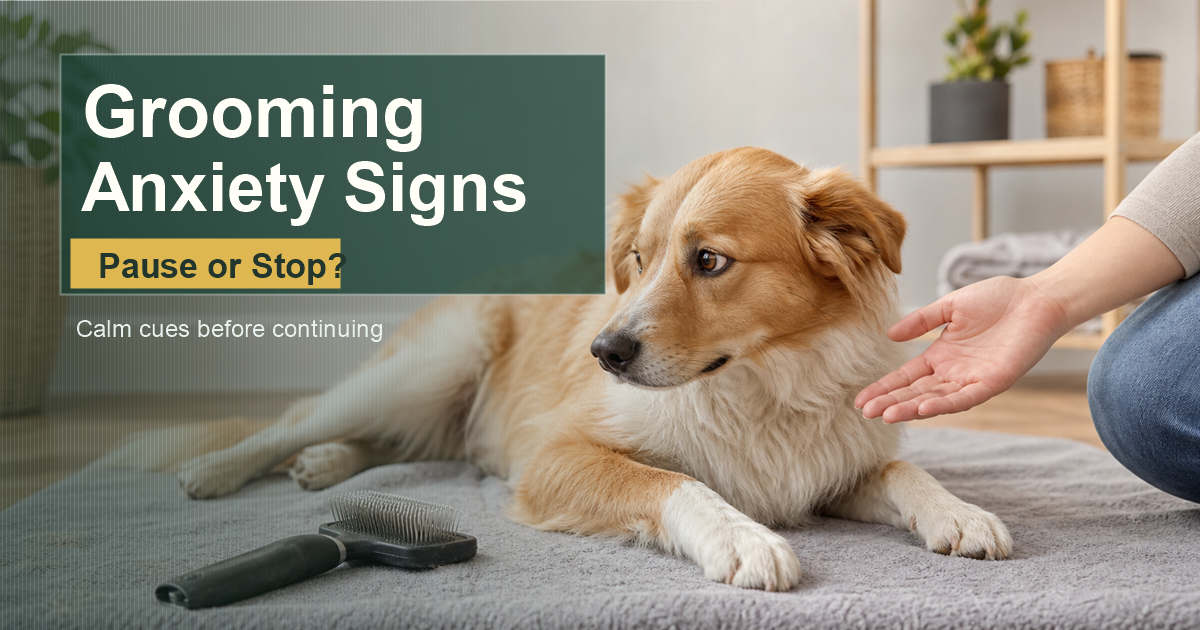
    Dog grooming anxiety signs can include avoidance, lip licking, yawning, panting, trembling, tucked posture, freezing, whale eye, growling, snapping, or trying to escape. Pause for mild stress signs. Stop for panic, pain, bite risk, aggression, severe fear, unsafe handling, sedation questions, or medically fragile dogs.

    This page is about reading signs and choosing a safer next step. It is not behavior treatment, sedation advice, muzzle advice, restraint advice, or a plan for handling aggression.

    Grooming Anxiety Signs at a Glance

    Sign levelWhat you may seeWhat to do
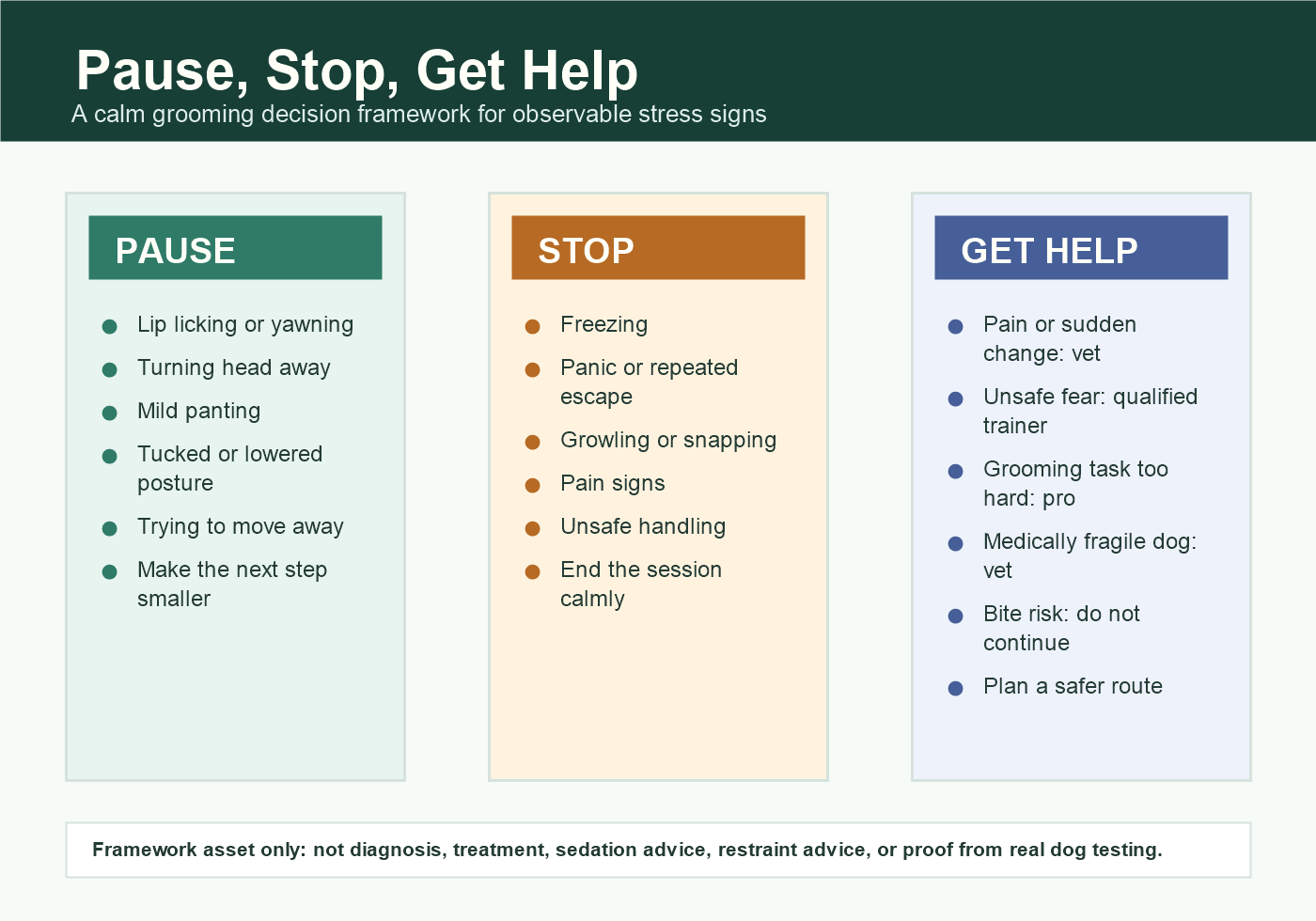
    MildLooking away, lip licking, yawning, mild panting, shifting awayPause and make the setup easier
    ModerateFreezing, tucked posture, trembling, repeated escape attemptsStop the task and reset later
    Stop nowGrowling, snapping, bite risk, panic, pain signsEnd the session and call a qualified professional
    Pause, Stop, Get Help framework showing mild grooming stress signs, stop-now signs, and when to get professional help.
    Use this framework to decide whether to pause, stop, or get help before continuing a grooming task.

    Fear Free’s fear, anxiety, and stress framework and its body-language guidance support watching the whole dog, not just one signal. Best Friends dog body language guidance also lists stress and fear signs such as moving away, tucked posture, growling, and showing teeth.

    Mild Stress Signs: Pause and Lower the Intensity

    Mild signs are a reason to make the session easier, not a reason to push through. VCA nail-trimming guidance supports pausing when subtle stress signs appear and not increasing difficulty until the dog is relaxed.

    Examples include looking away, moving the paw or body away, lip licking, yawning, light panting, or a lowered posture. If the dog settles when the pressure drops, keep the next step smaller and shorter.

    Stop-Now Signs: Panic, Growling, Biting, or Escape Attempts

    Stop immediately for panic, bite risk, growling, snapping, repeated escape attempts, severe fear, pain, or unsafe handling. Do not hold the dog down, add harsh restraint, or continue because the session is almost done.

    A stopped session is not a failure. It is the safer choice when the dog is showing that grooming has become too much for that moment.

    Pain vs Fear: Why Both Stop the Session

    Pain and fear can look similar during grooming. If a dog suddenly reacts to brushing, nail handling, ear work, bathing, or drying, treat it as a stop sign. Use a veterinarian when pain, injury, medically fragile status, or sudden behavior change may be involved.

    What Not to Do

    Do not use this article to choose sedatives, force a muzzle, restrain a panicked dog, treat aggression, or create a behavior plan. Those situations need a veterinarian, qualified groomer, or qualified trainer.

    When to Call a Veterinarian, Groomer, or Trainer

    Call a veterinarian for pain, sudden behavior changes, medically fragile dogs, sedation questions, or health concerns. Call a qualified groomer for grooming tasks you cannot complete safely. Call a qualified trainer for fear or handling work that goes beyond mild, calm cases.

    FAQ

    How do I know if my dog is anxious during grooming?

    Watch for avoidance, lip licking, yawning, panting, trembling, freezing, whale eye, growling, snapping, or escape attempts. Look at the whole dog and the whole situation.

    Should I keep grooming if my dog freezes?

    No. Freezing can be a stress sign. Pause or stop rather than increasing pressure.

    Is panting during grooming a stress sign?

    It can be. Consider heat, pain, posture, breathing, and whether the dog is trying to leave.

    When should I stop grooming an anxious dog?

    Stop for panic, growling, snapping, bite risk, pain, severe fear, unsafe handling, or medically fragile status.

    Who can help with grooming fear?

    A veterinarian, qualified groomer, or qualified trainer can help decide the safer next step.

    Bottom Line

    Pause when grooming stress signs are mild, stop when the dog shows panic, pain, aggression, or bite risk, and get professional help when the session is no longer calm or safe. Safer grooming starts with listening to the dog before the problem escalates.

  • How to Clean Dog Eye Gunk Safely

    How to Clean Dog Eye Gunk Safely

    For mild dog eye-corner debris, soften the debris with a warm damp cloth and wipe away from the eye. Do not touch the eyeball, scrape crust, or use harsh products near the eye.

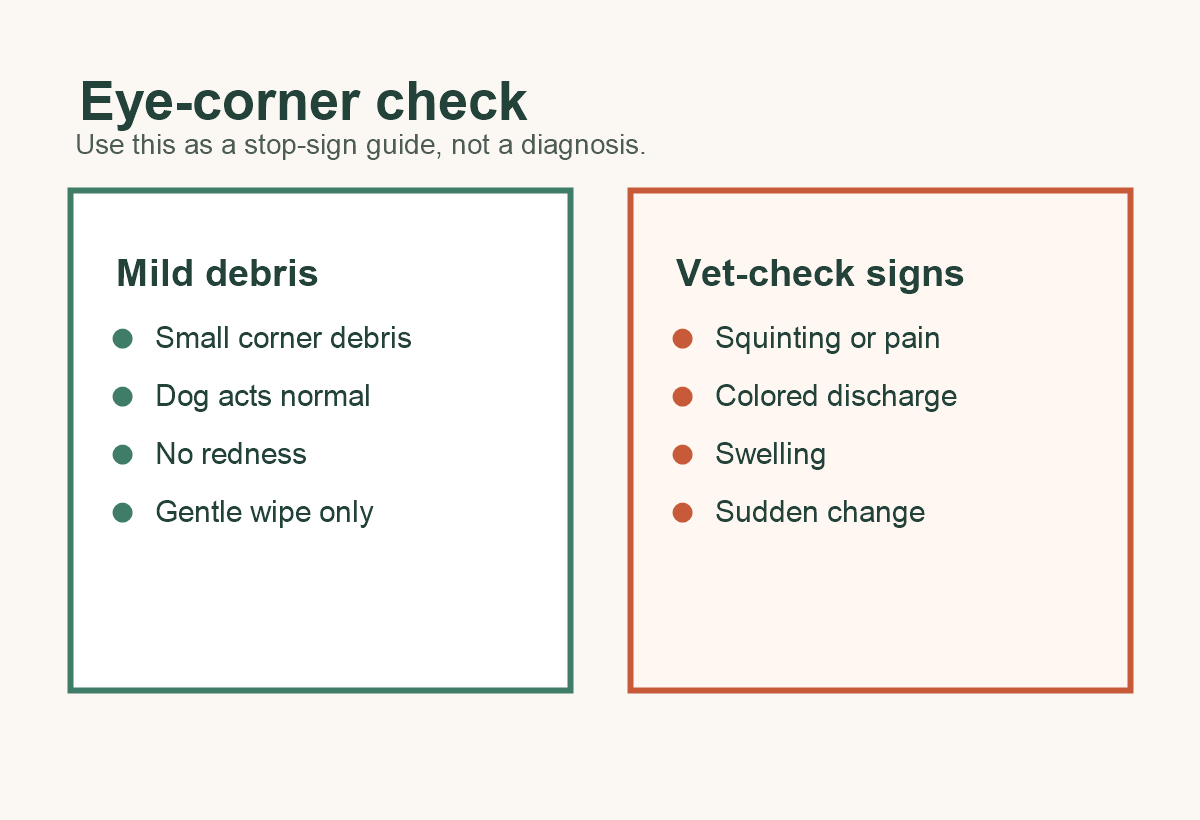
    Stop and call a veterinarian for redness, swelling, squinting, pain, pawing, colored discharge, injury, vision changes, ulcers, odor, sudden change, repeated discharge, or unsafe handling. This page is for mild corner debris only, not eye disease.

    Normal Corner Debris vs Vet-Check Signs

    Dog eye-corner check showing mild debris signs and vet-check signs.

    A small amount of dry debris at the corner of a normal-looking eye can often be handled as gentle hygiene. Abnormal discharge, redness, pain, swelling, or sudden change is different.

    VCA eye discharge guidance explains that discharge or tear overflow can have many causes. Treat eye changes as a health boundary, not a grooming shortcut.

    Supplies for Mild Corner Cleaning

    Use a clean, warm damp cloth. A generic veterinarian-approved wipe may be appropriate when the product is meant for use around the eyes, but keep it out of the eye itself.

    Do not use eye drops, medications, supplements, stain removers, harsh cleaners, cotton swabs, or tools unless your veterinarian gave those directions.

    Eye-Corner Wipe Sequence

    First, look for stop signs: redness, swelling, squinting, pain, colored discharge, injury, or sudden change. If any are present, do not clean it as routine grooming. For a broader safety boundary, use the when to stop grooming and call a pro checklist.

    If the eye looks normal and the debris is mild, hold a warm damp cloth near the corner long enough to soften the crust. Wipe away from the eyeball. Use a fresh part of the cloth for another pass. Stop if the dog resists or the eye starts to look irritated.

    What Not to Do Near the Eye

    Do not scrape hardened crust. Do not wipe toward the eyeball. Do not pull stuck debris from the lashes or skin. Do not try to clean colored discharge as if it were normal dirt.

    The eye area is not the place to test home remedies. If the debris keeps coming back, changes color, smells bad, or appears with discomfort, call a veterinarian.

    Tear Stains vs Eye Gunk

    Tear stains are stained fur. Eye gunk is debris at the corner of the eye. Both stay outside the eye, and both need veterinary guidance when the eye looks red, painful, swollen, or suddenly different.

    VCA’s dry-eye material mentions gently cleaning around the eyes with a warm wet washcloth in a veterinary-care context. That does not turn this page into treatment advice for dry eye or any other condition.

    When to Call a Veterinarian

    Call a veterinarian for colored discharge, repeated discharge, redness, swelling, squinting, pain, pawing, injury, ulcer concern, vision change, odor, sudden change, or unsafe handling. Eye problems can worsen quickly, and grooming should not delay care.

    FAQ

    Is dog eye gunk normal?

    Small corner debris can be normal. Colored discharge, pain, redness, swelling, or sudden change is not routine grooming.

    How do I clean crust from my dog’s eye corner?

    Soften it with a warm damp cloth and wipe away from the eye without touching the eyeball.

    Can I use wipes near my dog’s eyes?

    Use only wipes meant for the eye area and keep them out of the eye. When unsure, ask a veterinarian.

    What color eye discharge needs a vet?

    Colored discharge or sudden changes should be checked by a veterinarian.

    Should I clean tear stains the same way as eye gunk?

    They are related but not the same. Tear stains are stained fur; eye gunk is corner debris. Neither should involve touching the eyeball.

    Bottom Line

    Clean only mild corner debris, soften it first, and wipe away from the eye. When the eye looks red, painful, swollen, colored, injured, or suddenly different, stop grooming and call a veterinarian.

  • How to Protect Dog Ears During a Bath

    How to Protect Dog Ears During a Bath

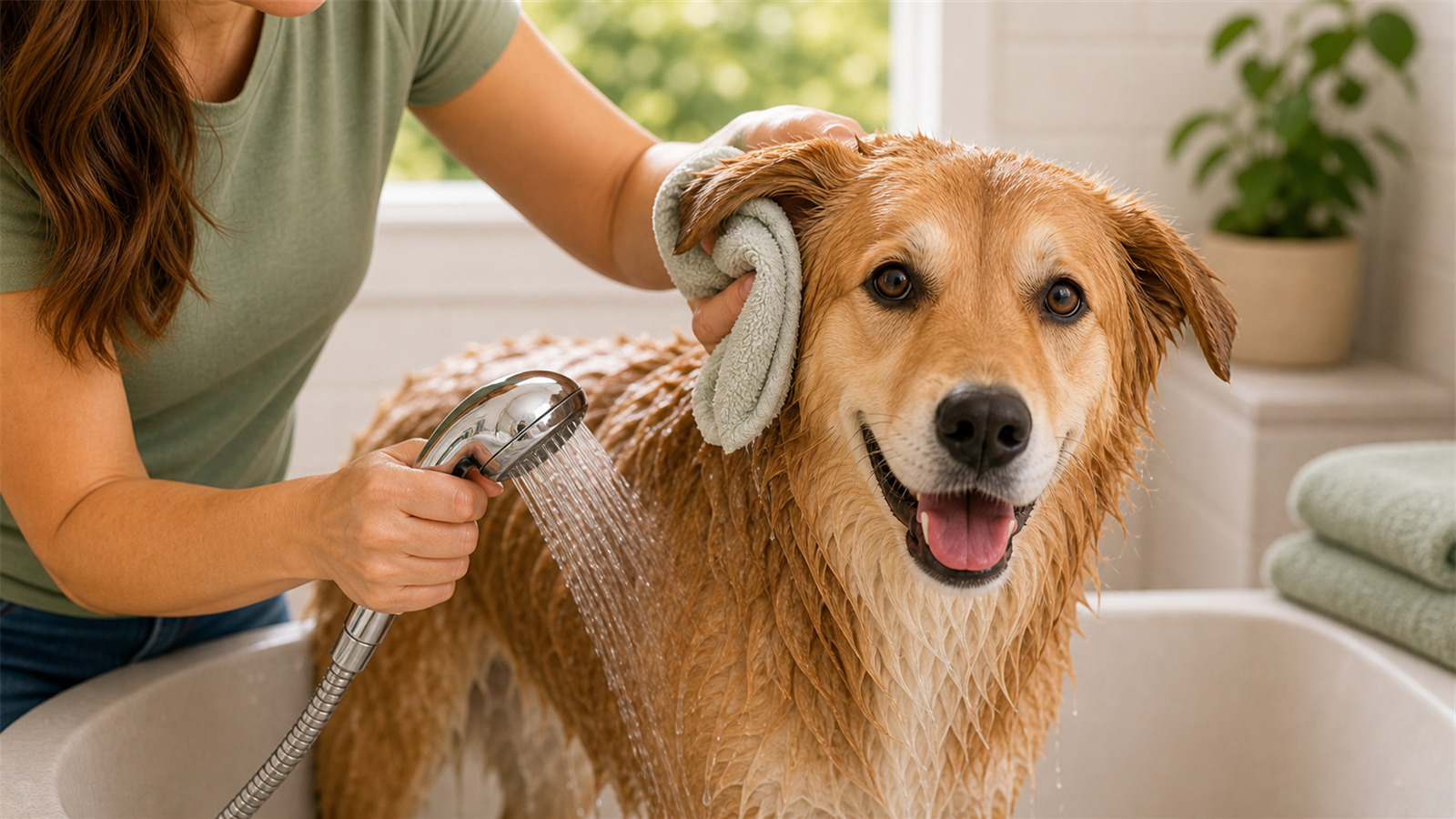
    Protect dog ears during a bath by keeping water away from the ear opening, using a gentle rinse angle, and stopping if the ears already look painful or abnormal. This is bath-water prevention only. It is not ear-canal cleaning or ear-infection treatment.

    Do not force a dog’s head into position. If the dog is panicking, snapping, scrambling, or showing ear pain, stop and get help from a veterinarian or qualified groomer.

    Why Ear Protection During Baths Matters

    ASPCA dog grooming guidance says to avoid spraying or pouring water directly into a dog’s ears, eyes, or nose during bathing. Around the head, careful direction matters more than speed.

    The practical goal is simple: rinse nearby fur while keeping the ear opening out of the water path.

    Use a Safer Rinse Angle Around the Head

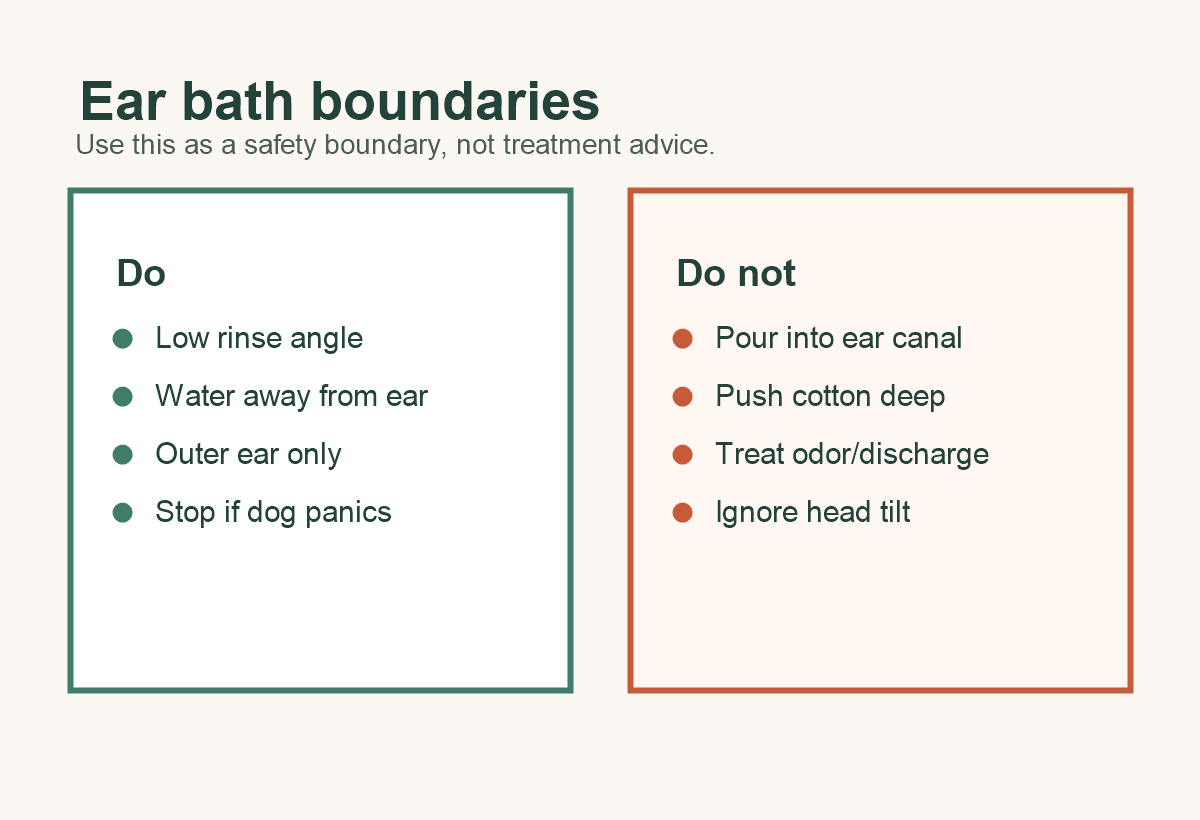
    Dog ear bath boundary checklist with safe rinse angle and do-not-put-in-ear warnings.

    Use gentle water flow. Aim the water down and away from the ear opening, not across it. Rinse the neck, cheeks, and nearby fur in small passes instead of blasting the whole head.

    If the dog moves suddenly, pause. Re-aim before you turn the water back toward the head area.

    What Not to Put in Your Dog’s Ears

    Do not push cotton deeply into the ear. Do not use ear plugs, powders, cleaners, medications, or tools as bath shortcuts unless a veterinarian gave those directions for that dog.

    Shallow ear covering may sound simple, but it can become unsafe if the dog resists or if material is pushed too far. When in doubt, skip the bath or use professional help.

    Long Ears vs Upright Ears

    For long ears, you may gently hold the ear flap down and away from the water path if the dog is calm. For upright ears, control the spray direction and avoid aiming water toward the opening.

    Do not fold, twist, pin, or force the ear. Ear handling should stay calm and brief.

    After-Bath Outer-Ear Drying

    Dry the outer ear and the fur around it with a soft towel. Stay outside the canal. Do not push cloth, cotton, or tools into the ear.

    If the ear smells bad, looks red, has discharge, or seems painful, do not treat it as a normal drying task.

    Vet Stop Signs Before or After a Bath

    VCA ear-cleaning guidance says red, inflamed, or painful ears should be checked by a veterinarian before cleaning. VCA ear-infection guidance lists concern signs such as head shaking, scratching, odor, redness, discharge, and pain.

    Balance changes, head tilt, bleeding, swelling, or severe discomfort are not grooming issues. Stop and contact a veterinarian.

    FAQ

    How do I keep water out of my dog’s ears during a bath?

    Use gentle water flow, aim away from the ear opening, and rinse the head area in small controlled passes.

    Should I put cotton in my dog’s ears during a bath?

    Do not insert cotton deeply. If any ear covering cannot be done calmly and safely, skip it and use professional help.

    Can I rinse around my dog’s head?

    Yes, but keep water away from the ears, eyes, and nose. Do not aim the spray toward the ear opening.

    What if my dog shakes their head after a bath?

    Head shaking can be a concern sign, especially with odor, discharge, redness, scratching, or pain. Contact a veterinarian if it continues or appears with other symptoms.

    When should ear symptoms go to a vet?

    Use a veterinarian for odor, discharge, head shaking, scratching, pain, redness, swelling, bleeding, balance changes, head tilt, or unsafe handling.

    Bottom Line

    Protecting dog ears during a bath is mostly about rinse direction, calm handling, and knowing when not to bathe. Keep water away from the ear opening, stay out of the canal, and treat abnormal ear signs as a veterinary issue.

  • How to Rinse Dog Shampoo Completely

    How to Rinse Dog Shampoo Completely

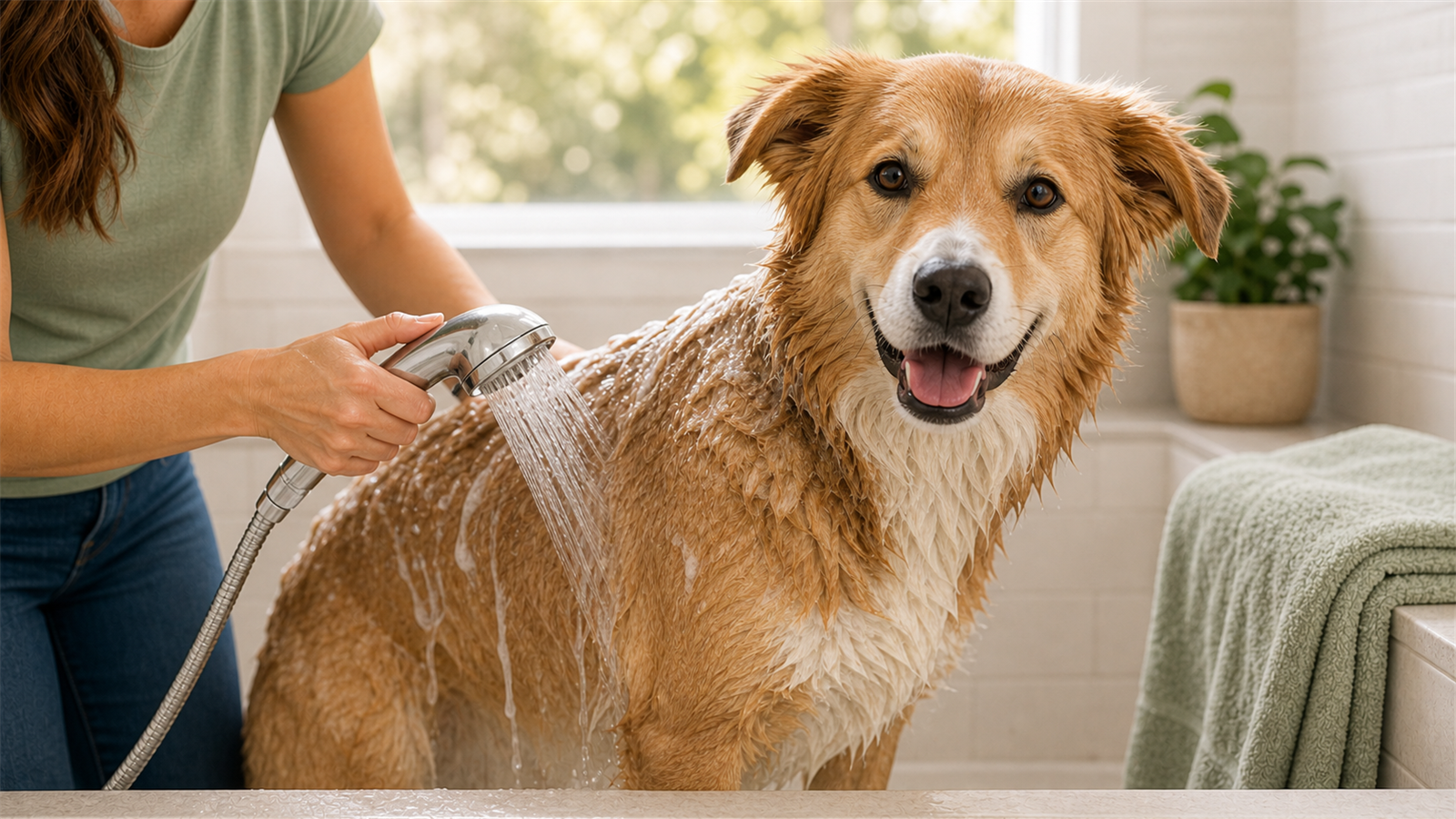
    Rinse dog shampoo by working through the coat in zones, not just by spraying the top of the back until the water looks clearer. Shampoo can hide in armpits, belly fur, feet, tail areas, folds, feathering, and dense undercoat.

    Keep water and soap out of the eyes, ears, nose, and mouth. Stop if the dog is panicking, the skin looks irritated, or handling no longer feels safe.

    Why Complete Rinsing Matters

    VCA medicated-shampoo guidance stresses rinsing all shampoo from the body and not leaving residue on the skin. The same residue concern matters during routine bathing, even when the shampoo is not medicated.

    The MSD Veterinary Manual notes that shampoo residue can irritate skin. Rinsing is not a quick final splash; it is its own step.

    The Rinse-Check Sequence

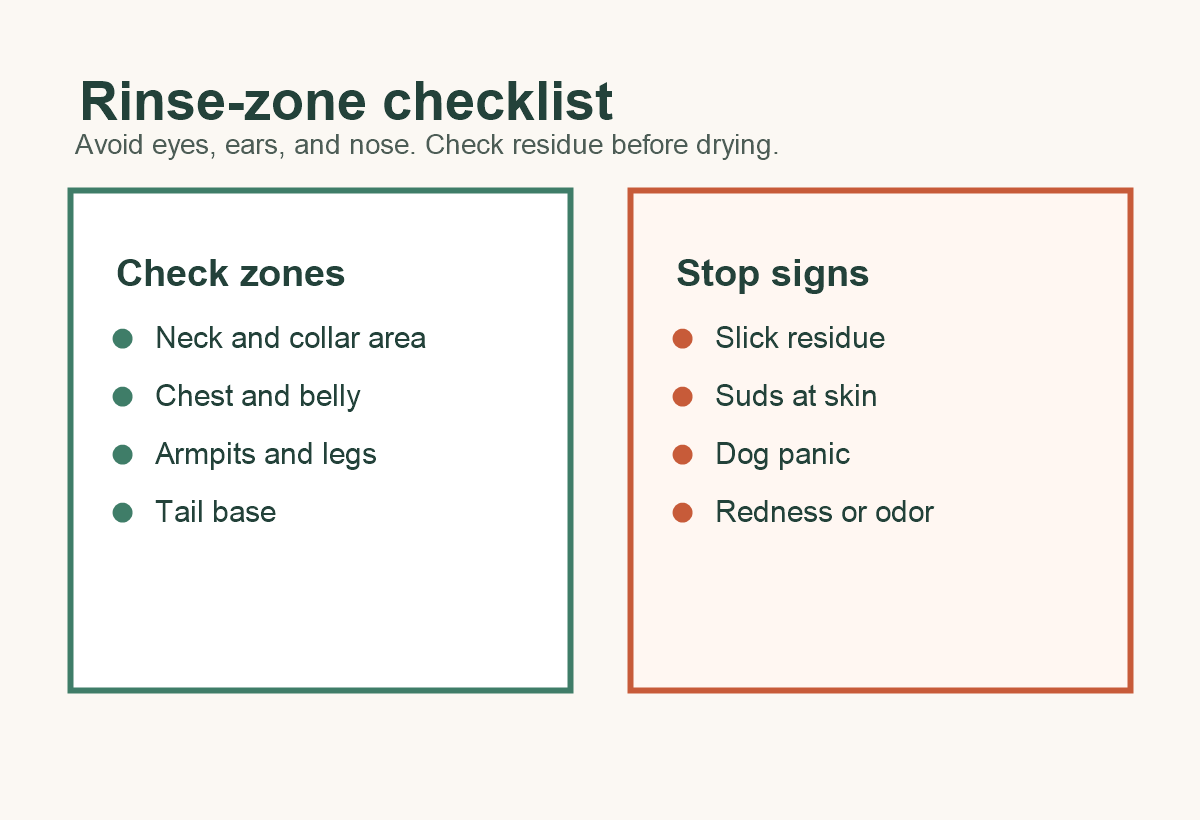
    Rinse-zone checklist for dog shampoo with missed zones and stop signs.

    Start at the neck and shoulders, then move down the body. Work through the chest, belly, legs, and feet. Recheck armpits, tail base, feathering, folds, and any dense coat zones before drying.

    Use your fingers to part the coat gently where the dog is comfortable. The goal is to let water reach the skin level without scrubbing painful skin or forcing the dog into a risky position.

    Common Missed Zones

    The easiest places to miss are the armpits, belly, chest, tail base, feet, legs, skin folds, long feathering, and dense undercoat. These areas can still feel slick after the topcoat looks clean.

    If the dog has mats, painful skin, folds with odor, or areas that cannot be handled calmly, do not push through. Use a veterinarian or qualified groomer.

    Rinse Checks by Coat Type

    Smooth coats need a surface check plus belly and feet. Dense double coats need extra time near the skin and undercoat. Long or feathered coats need attention at the ends, armpits, tail, and leg feathering. Curly or wavy coats can hold residue inside tight coat texture. Folded-skin areas need gentle rinsing and careful drying when the skin is healthy.

    These checks are clues, not a guarantee. Some skin conditions, coat types, and products need professional guidance.

    Residue Feel Test and Water Clarity

    Clearer water, fewer suds, less slickness, and normal coat texture are useful signs. They do not prove every bit of residue is gone in every dog.

    If the coat still feels slippery, soapy, strongly scented, or heavy, keep rinsing. If the skin becomes red, painful, or irritated, stop and get guidance instead of continuing to scrub.

    Rinse Water Temperature and Spray Direction

    Use lukewarm, not hot, water. ASPCA grooming guidance supports keeping water out of the ears, eyes, and nose during bathing. Aim the spray away from the face and keep the flow gentle enough that the dog stays under control.

    Stop Signs After Shampoo or Rinsing

    Stop for open sores, burns, infection signs, persistent itching, redness, odor, distress, panic, aggression, a medically fragile dog, or unsafe handling. Do not treat a bath as a fix for a skin problem that needs veterinary care.

    FAQ

    How do I know dog shampoo is fully rinsed?

    Use several clues: clearer water, fewer suds, less slickness, and normal coat feel. Treat those as checks, not proof.

    What happens if shampoo stays on a dog’s skin?

    Residue can irritate skin. Persistent redness, itching, odor, or distress should be checked by a veterinarian or qualified groomer.

    Which areas are easiest to miss?

    Armpits, belly, chest, tail base, feet, folds, feathering, and dense undercoat areas are commonly missed.

    Should rinse water be warm or cold?

    Use lukewarm water. Avoid hot water and icy water.

    What should I do if my dog is itchy after a bath?

    Do not assume it is only residue. If itching persists or comes with redness, odor, pain, or distress, contact a veterinarian.

    Bottom Line

    Rinse by zone, check the hidden areas, and keep going while the coat feels slick or sudsy. Stop quickly for skin changes, distress, or unsafe handling.

  • Dog Shampoo Dilution Guide

    Dog Shampoo Dilution Guide

    Dilute dog shampoo only when the label or your veterinarian says to dilute it. The ratio is not universal. A label that says to mix 10 parts water with 1 part shampoo is giving a different instruction from a label that says to use the shampoo full strength.

    For routine bathing, the safest habit is label first, fresh mix second, full rinse third. Do not guess a ratio, and do not use this page as medicated-shampoo instructions.

    What Dog Shampoo Dilution Means

    Dilution means mixing shampoo with water before it goes on the coat. Some shampoos are designed for that; some are not. A Merck Veterinary Manual shampoo therapy table notes that some shampoos may be diluted in water, and the wider veterinary point is simple: follow the product instructions.

    If the label does not tell you to dilute the shampoo, do not invent a mix. If the label is unclear, check the manufacturer’s directions before the bath.

    How to Read Ratios Like 4:1, 10:1, and 16:1

    A ratio describes parts, not a single bottle size. In a generic example, 10 parts water to 1 part shampoo means ten equal parts of water and one equal part of shampoo. Those parts could be ounces, cup marks, or fill lines, as long as you use the same unit for both sides.

    Read the wording carefully. Some labels spell out water first. Others may phrase the instruction differently. Use the exact order and wording on your own product.

    A Simple Dilution Worksheet

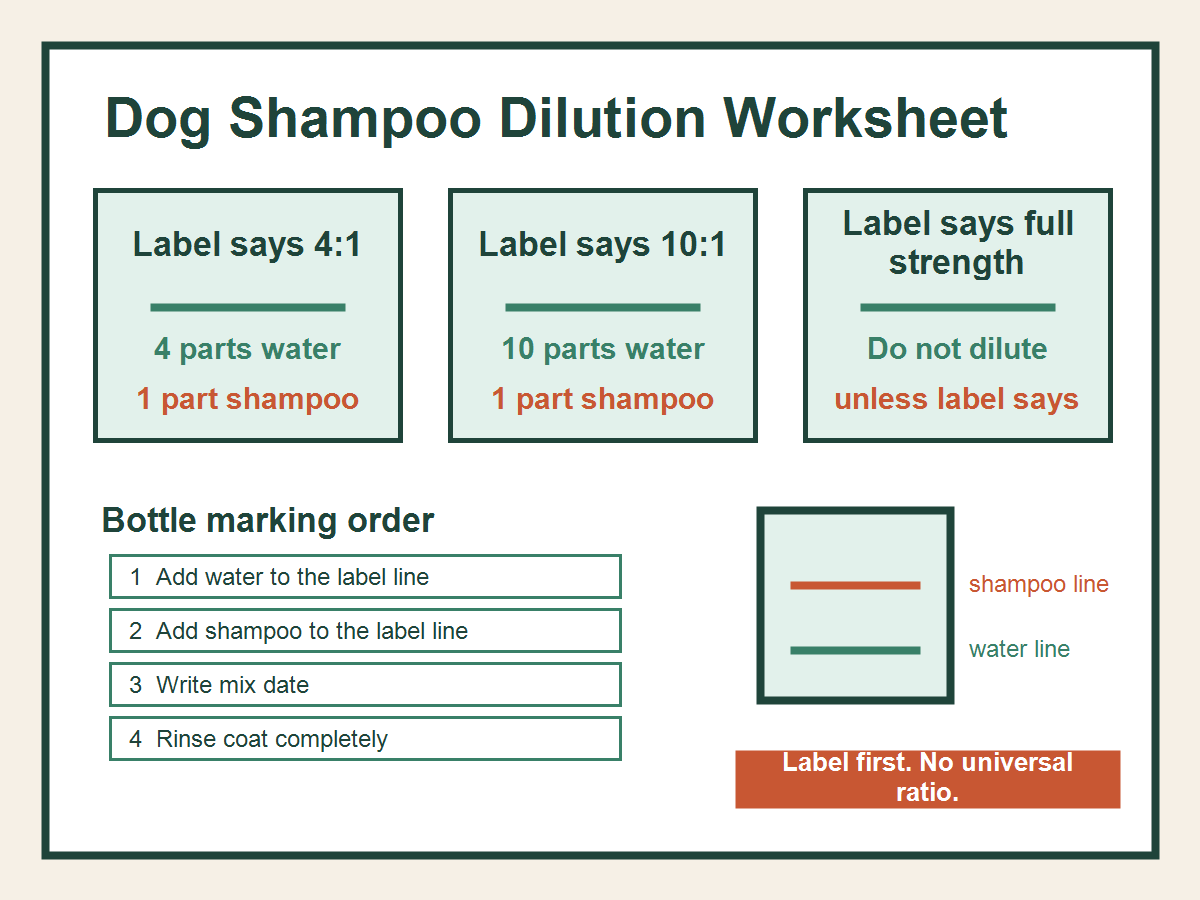
    Dog shampoo dilution worksheet showing generic 4 to 1, 10 to 1, and full-strength label examples plus bottle marking order.

    Before mixing, write down five things: the label ratio, the bottle size or fill line, the water amount, the shampoo amount, and the mix date. Add one more reminder on the bottle: rinse completely.

    Example only: if the label says 4 parts water to 1 part shampoo, the full mix has 5 total parts. A small batch could use 4 ounces of water and 1 ounce of shampoo. That example does not apply to a product with a different label.

    The Bottle-Mark Method

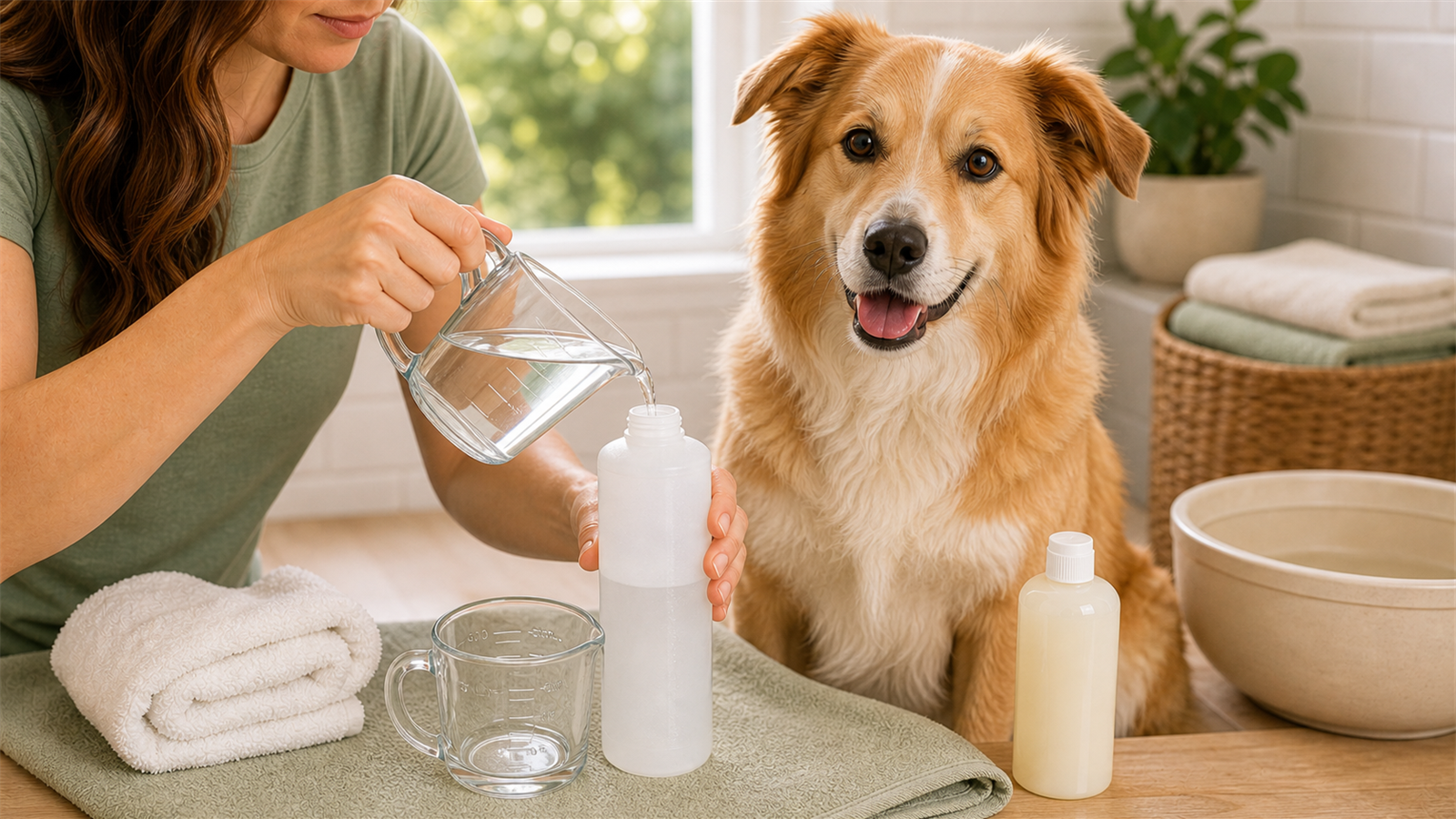
    Use a clean mixing bottle. Mark the water line first, then mark the shampoo line based on the actual label. Add water before shampoo if the label allows it, mix gently, and make only what you expect to use for that bath unless the label says storage is allowed.

    Do not reuse a bottle that held harsh cleaners or anything unsafe for pets. Do not leave an unlabeled mix where someone might mistake it for plain water or another product.

    Routine Shampoo vs Medicated Shampoo

    Medicated or prescribed shampoos are different. VCA medicated-shampoo guidance emphasizes veterinarian-prescribed directions, contact time, and rinsing all shampoo away. This page does not give medicated-shampoo dosing or treatment instructions.

    If a veterinarian prescribed the shampoo, follow the veterinarian and label directions instead of a general bath routine.

    Common Dilution Mistakes

    The common mistakes are guessing, copying a ratio from another bottle, assuming every shampoo should be diluted, storing a mix without label support, and using too much shampoo because more feels cleaner.

    More shampoo can be harder to rinse. The MSD Veterinary Manual notes that shampoo residue can irritate skin, which is why dilution and rinsing belong together.

    Skin and Rinse Stop Signs

    Stop the bath and get veterinary guidance for open sores, skin disease, sudden irritation, allergic reaction signs, swelling, distress, or a medically fragile dog. Do not use shampoo dilution as a way to manage a skin problem at home.

    FAQ

    What does 10:1 dog shampoo dilution mean?

    In a generic example, it means 10 parts water to 1 part shampoo. Always check your own product label because wording and order matter.

    Should all dog shampoo be diluted?

    No. Dilute only when the label or veterinarian directions say to dilute.

    Can I dilute medicated dog shampoo?

    Only under the product label and veterinarian directions. This page does not give medicated-shampoo instructions.

    How long does diluted dog shampoo last?

    Follow the label. If the label does not say a diluted mix can be stored, mix fresh for the bath.

    What happens if I use too much shampoo?

    Too much shampoo can be harder to rinse and may leave residue. Persistent itching, redness, or distress needs veterinary guidance.

    Bottom Line

    A good dilution routine is not complicated: read the label, measure by parts, mix only what the directions allow, and rinse until the coat no longer feels slick or sudsy. If the shampoo is medicated or the skin looks abnormal, use veterinary directions instead.

    Related dog bath guides

  • Dog Bath Water Temperature: What Lukewarm Should Feel Like

    Dog Bath Water Temperature: What Lukewarm Should Feel Like

    Use lukewarm, not hot, water for a routine dog bath. The goal is simple: water that feels comfortable and mild, with no hot bite, no icy shock, and no guesswork once the bath is already moving.

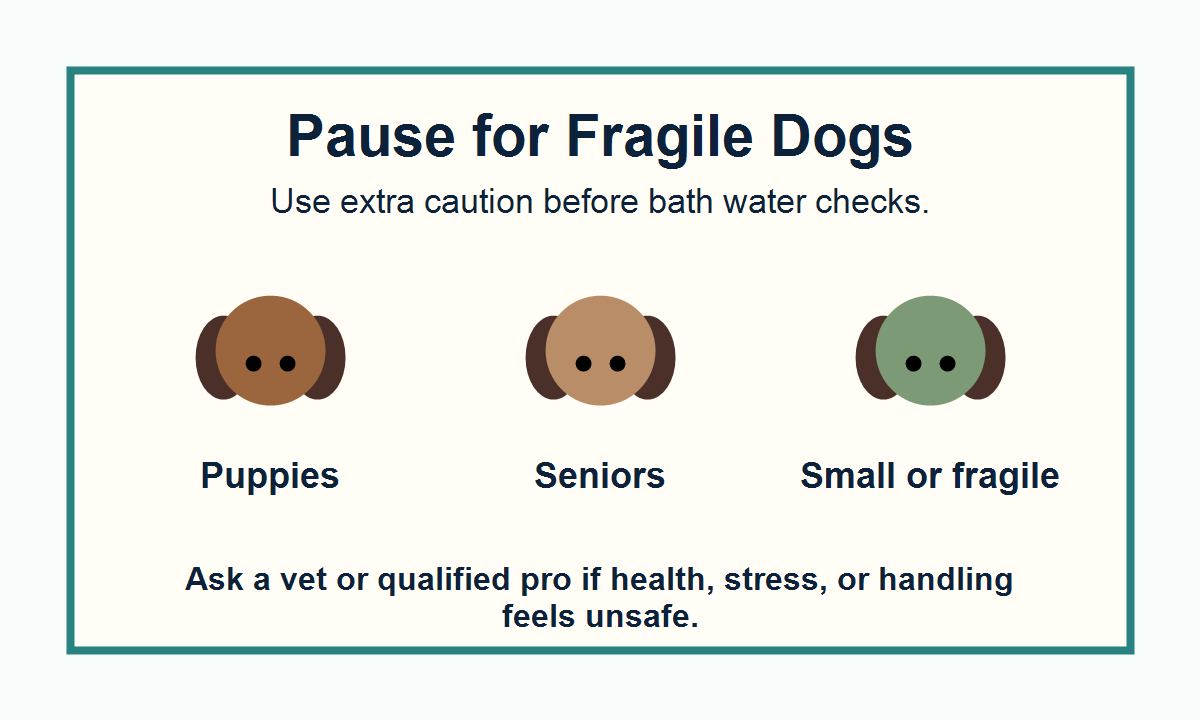
    Do not bathe a dog at home if there are burns, open sores, signs of skin infection, heat or cold stress, panic, aggression, or handling that no longer feels safe. Puppies, senior dogs, small dogs, and medically fragile dogs need extra caution, and a veterinarian or qualified professional should guide bathing when health status is part of the concern.

    The Safe Target: Lukewarm, Not Hot

    For routine bathing, the practical target is lukewarm water. ASPCA dog grooming guidance describes using lukewarm water for bathing and keeping water out of the ears, eyes, and nose. A Merck Veterinary Manual shampoo therapy table uses the same basic direction: lukewarm, never hot.

    This guide does not give a universal number for every dog and every bathroom setup. Water temperature can shift during the bath, and a dog’s age, size, skin condition, stress level, and health status all matter.

    Why a Hand Check Can Mislead You

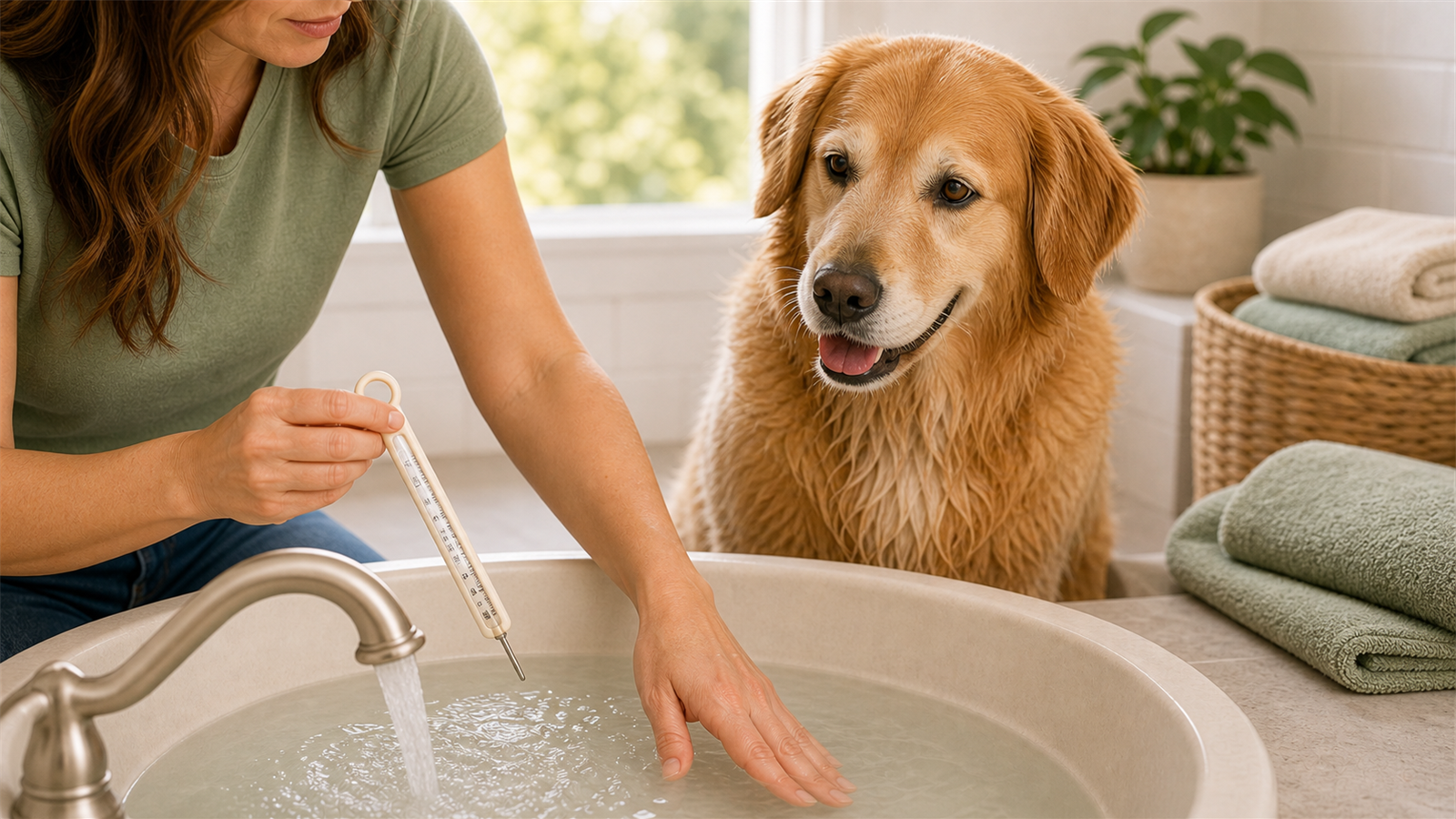
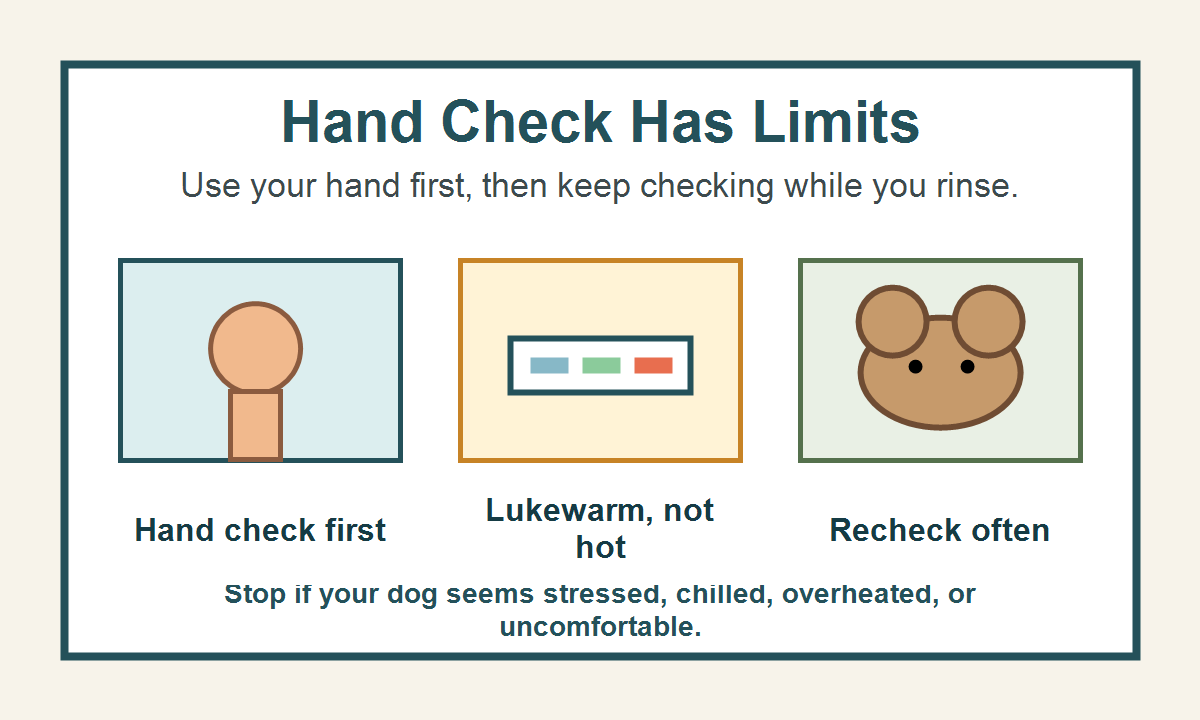
    A hand or wrist check is useful for catching water that is obviously hot or cold, but it is not a perfect safety test. Owner comfort is not the same as dog comfort. A spray hose can warm up or cool down after it runs. A tub can feel different from the water coming out of the nozzle.

    Hand checking dog bath water with a reminder that the hand test has limits and water should be rechecked during the bath
    A hand check helps, but it should not be treated as proof that the whole bath will stay comfortable.

    Check the water before the dog gets wet. Check again before rinsing the chest, belly, legs, and tail area. If the water suddenly feels sharp, hot, chilly, or uncomfortable, stop and adjust before continuing.

    Use Extra Caution With Puppies, Seniors, Small Dogs, and Fragile Dogs

    Puppies, senior dogs, small dogs, thin-coated dogs, and medically fragile dogs may have less tolerance for temperature stress or a long bath. Keep the session short, keep the room calm, and stop before the dog becomes exhausted or highly stressed.

    Dog bath caution graphic for puppies, senior dogs, small dogs, and medically fragile dogs
    When health, age, size, or stress changes the risk, pause the bath and get professional guidance.

    Set Up the Bath Before Water Touches the Dog

    Before you start, make the footing secure, place towels within reach, and test the water flow away from the dog. Keep the water shallow for a home bath. Avoid spraying or pouring water directly into the ears, eyes, or nose.

    If the dog is already worried, rushing the water step can make the bath harder. Start slowly, keep one hand steady on the dog if safe, and stop if the dog begins to panic, growl, snap, scramble hard, or repeatedly try to escape.

    Stop Signs During a Dog Bath

    Stop the bath if you see skin redness, pain, suspected burns, shivering, heavy panting, weakness, panic, aggression, open sores, discharge, strong odor from irritated skin, or any handling risk. This page is not a treatment guide for skin, ear, eye, heat, cold, injury, or behavior problems.

    If the bath was started because of itching, odor, sores, parasites, sudden hair loss, or recurring skin trouble, pause and ask a veterinarian what should happen next. A bath can clean surface dirt, but it should not be used to cover up a medical problem.

    Where This Fits in Home Dog Grooming

    Water temperature is only one part of a safer bath. Brush first when the coat allows it, use a calm setup, rinse thoroughly, and dry the dog in a way that does not overheat or frighten them.

    FAQ

    What temperature should dog bath water be?

    Use lukewarm, not hot, water. This article does not give a universal numeric target because dogs, bathrooms, water flow, and health status vary.

    Is warm water or cold water better for dogs?

    Lukewarm water is the safer routine direction. Avoid hot water and icy water.

    Can hot bath water hurt a dog?

    Yes. Hot water can irritate or burn skin. Stop for redness, pain, distress, panic, or any burn concern.

    Should puppies or senior dogs use cooler bath water?

    Use extra caution with puppies, seniors, small dogs, and medically fragile dogs. Ask a veterinarian when health status affects bathing.

    How do I tell if bath water is too hot for my dog?

    Check that the water feels lukewarm, not hot, before and during bathing. Stop if the dog seems distressed, chilled, overheated, painful, or uncomfortable.

    Bottom Line

    For a routine dog bath, choose lukewarm water, check it more than once, and stop quickly when the dog or the skin tells you something is wrong. A calm, short bath with mild water is better than pushing through a setup that feels uncertain.